Blog

  • 2026 Electric Vehicle New Models: A Deep-Dive Performance Review That Will Change How You Think About EVs

    Last week, I found myself standing in a parking garage in downtown Seoul, watching a friend effortlessly parallel park a brand-new 2026 Hyundai IONIQ 9 using nothing but its automated assist system โ€” all while holding a coffee cup. It was one of those quietly jaw-dropping moments that makes you realize: the EV revolution isn’t coming. It’s already here, and it’s gotten remarkably good at the details.

    So let’s dig into what 2026 has actually brought to the electric vehicle table. Whether you’re a seasoned EV enthusiast or someone still on the fence about ditching the gas pump, I want to walk through the real-world numbers, the standout models, and โ€” critically โ€” whether any of this is actually worth your money right now.

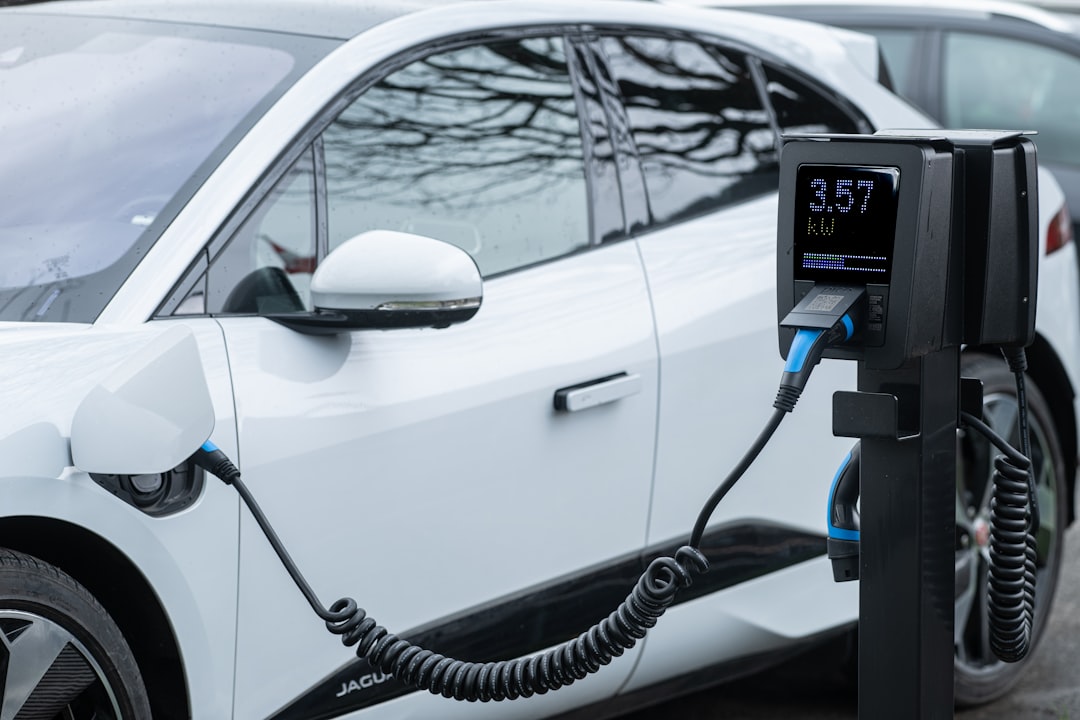
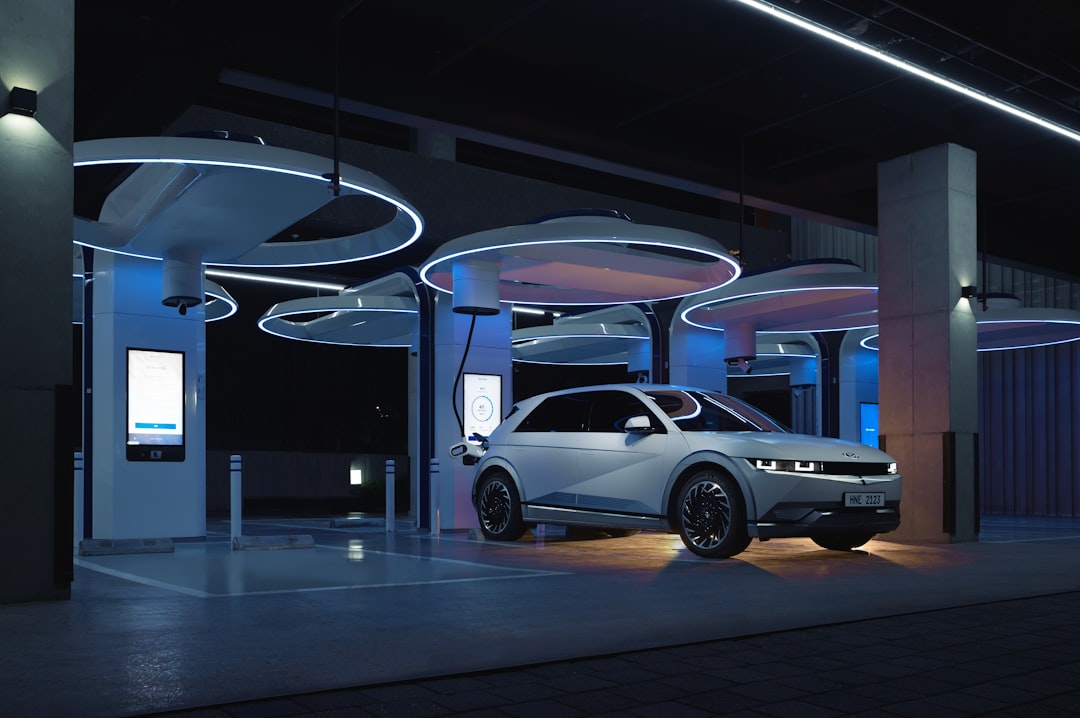
    2026 electric vehicle lineup futuristic charging station

    ๐Ÿ”‹ Battery Tech: The Solid-State Shift Is Finally Real

    The biggest story of 2026 isn’t a single car โ€” it’s the technology underneath them. We’ve been hearing about solid-state batteries for years, almost to the point of fatigue. But this year, Toyota’s bZ5X and Samsung SDI-powered vehicles have brought semi-solid and hybrid solid-state cells into actual production models, not just concept labs.

    What does this mean in practical terms? Here’s a quick breakdown of what’s changed:

    • Energy density: The 2026 Toyota bZ5X packs a 120 kWh solid-state hybrid pack into roughly the same space as a 2024-era 90 kWh liquid lithium-ion unit โ€” a ~33% improvement in density.
    • Charging speed: Several 2026 flagships now support 350โ€“500 kW ultra-fast DC charging. The new Kia EV9 GT, for example, can charge from 10% to 80% in under 14 minutes on a compatible charger.
    • Cold weather range loss: Traditional lithium-ion batteries can lose 25โ€“40% range in sub-zero temperatures. Solid-state hybrids are showing only 10โ€“15% degradation in real-world winter tests โ€” a massive leap for anyone living in Minnesota, Norway, or northern China.
    • Cycle life: Lab data from QuantumScape and Panasonic suggests 2026 solid-state cells can sustain over 1,200 full charge cycles at 80%+ capacity retention, compared to 700โ€“900 for conventional packs.

    ๐Ÿš— Standout 2026 Models Worth Talking About

    Let’s get into the actual cars, because specs only matter when they translate to real driving experiences.

    Hyundai IONIQ 9 (Global Launch: Q1 2026)
    Hyundai’s three-row electric SUV is genuinely exciting. With a 110 kWh battery, a claimed EPA range of 348 miles, and all-wheel drive producing 379 combined horsepower, it’s not just a family hauler โ€” it’s a confident highway cruiser. The interior quality has taken a notable jump over previous IONIQ models, with a curved 27-inch display panel and genuine wood accents that don’t feel like an afterthought.

    Tesla Model Y Juniper (Refreshed for 2026)
    Tesla quietly rolled out significant updates to the Juniper trim, including a revised 4680 cell pack that pushes range to 358 miles (Long Range AWD). It also adds a new front-row “stadium seating” display configuration and an improved heat pump system. Still the benchmark for software integration, but the competition has genuinely closed the gap in 2026.

    BYD Seal U DM-i (International Markets)
    If you’re outside North America, BYD’s plug-in hybrid variant deserves serious attention. The Seal U DM-i blends a 15.8 kWh battery with a 1.5L engine, delivering up to 1,200 km total range on a full tank-plus-charge combination. In markets like Europe, Australia, and Southeast Asia, this is proving to be the pragmatic middle ground for people not yet ready to commit to full-EV infrastructure dependency.

    Lucid Air Sapphire (2026 Update)
    For those with the budget (~$249,000), Lucid’s flagship remains an engineering showcase. The updated 2026 Sapphire now produces 1,234 horsepower and achieves a 0โ€“60 mph time of 1.89 seconds. Range sits at a class-leading 516 miles. It’s not for everyone, but it proves that EV performance ceiling is nowhere near being reached.

    2026 Hyundai IONIQ 9 interior dashboard electric SUV

    ๐Ÿ“Š Performance Metrics Compared: 2026 vs. Previous Generations

    To give you a clearer sense of progress, here’s how key benchmarks have shifted across three model years for mid-size electric SUVs as a category:

    • Average EPA range (mid-size EV SUV segment): 2022 avg: 247 miles โ†’ 2024 avg: 298 miles โ†’ 2026 avg: 341 miles
    • Average DC fast charging rate: 2022: ~150 kW โ†’ 2024: ~235 kW โ†’ 2026: ~310 kW
    • Average 0โ€“60 mph (AWD variants): 2022: 5.8 sec โ†’ 2024: 4.9 sec โ†’ 2026: 4.1 sec
    • Autonomous driving capability (SAE Level): Most flagships now ship with Level 2+ systems standard; select models (Mercedes EQS 2026, GM Ultra Cruise vehicles) are offering conditional Level 3 on mapped highways.

    ๐Ÿ’ก Realistic Alternatives: Not Everyone Needs the Flagship

    Here’s where I want to be honest with you, because lifestyle blogging that ignores budget realities isn’t actually helpful. The stunning tech in 2026’s flagship EVs is real โ€” but so is the price tag.

    If you’re drawn to EVs but the $55,000โ€“$100,000+ price points feel out of reach, here are genuinely smart alternatives to consider:

    • Chevrolet Equinox EV (2026 base trim, ~$34,995): Underrated, affordable, and now with an improved 320-mile range. The software has matured significantly since launch. This is the best value EV in North America right now, full stop.
    • Nissan Leaf e+ (2026 refresh): Still one of the most affordable entry points into EV ownership globally, with updated fast-charging support and a refreshed interior. Not flashy, but dependable and widely serviceable.
    • PHEV (Plug-in Hybrid) route: If your commute is under 40 miles daily and you occasionally take long road trips, a 2026 PHEV like the Toyota RAV4 Prime or Ford Escape PHEV gives you 90% of the EV benefit without range anxiety. Honest truth: for many suburban families, this remains the most practical answer in 2026.
    • Certified Pre-Owned 2024 EVs: With so many new models launching this year, 2024 EV inventory is being traded in at scale. A CPO 2024 Tesla Model 3 or Hyundai IONIQ 6 can save you $10,000โ€“$18,000 with manufacturer warranty coverage still intact.

    ๐ŸŒ What Korea, Europe, and China Are Teaching the World

    South Korea’s domestic EV market hit a milestone in early 2026: over 40% of all new passenger car registrations in January were fully electric or plug-in hybrid โ€” up from 28% in the same month two years prior. Hyundai and Kia’s aggressive localized software updates (including real-time charging station availability integrated into navigation via T-map) have meaningfully reduced one of the biggest friction points for Korean consumers.

    In Europe, Norway continues to lead with over 92% EV market share in new car sales. The key lesson from Norway? It’s not just about the cars โ€” it’s about the charging infrastructure and the tax incentives working in tandem. Countries that treat EVs as isolated products rather than part of a systemic infrastructure investment are seeing slower adoption curves.

    China, meanwhile, is playing a different game entirely. BYD, NIO, and Li Auto collectively launched 23 new EV and PHEV models in the first quarter of 2026. The pricing pressure from China’s domestic market is actively pushing global manufacturers to accelerate feature rollouts and reduce costs โ€” which ultimately benefits consumers everywhere.

    Editor’s Comment : The 2026 EV landscape is genuinely the most exciting it’s ever been โ€” but “most exciting” doesn’t always mean “best choice for you right now.” If you’re in a position to buy, the Chevy Equinox EV and IONIQ 9 represent the best real-world value at their respective price tiers. If you’re not quite ready, the CPO market in late 2026 is going to be a goldmine. Whatever you do, don’t let the sheer number of new models paralyze you into waiting for the “perfect” one โ€” that car will always be six months away. Pick the one that fits your life today, and enjoy the ride. โšก

    ํƒœ๊ทธ: [‘2026 electric vehicles’, ‘EV performance review’, ‘best EVs 2026’, ‘solid state battery cars’, ‘Hyundai IONIQ 9 review’, ‘electric SUV comparison 2026’, ‘EV buying guide 2026’]


    ๐Ÿ“š ๊ด€๋ จ๋œ ๋‹ค๋ฅธ ๊ธ€๋„ ์ฝ์–ด ๋ณด์„ธ์š”

  • 2026 ์ „๊ธฐ์ฐจ ์‹ ๋ชจ๋ธ ์„ฑ๋Šฅ ๋ฆฌ๋ทฐ | ์ฃผํ–‰๊ฑฐ๋ฆฌยท์ถฉ์ „์†๋„ยท๊ฐ€์„ฑ๋น„ ์™„์ „ ๋ถ„์„

    ์–ผ๋งˆ ์ „ ์ง€์ธ์ด ์ƒˆ ์ „๊ธฐ์ฐจ๋ฅผ ๊ณ„์•ฝํ–ˆ๋‹ค๋Š” ์†Œ์‹์„ ์ „ํ•ด์™”์–ด์š”. ๊ทธ๋Ÿฐ๋ฐ ๊ทธ ์ด์œ ๊ฐ€ ์žฌ๋ฏธ์žˆ์—ˆ์Šต๋‹ˆ๋‹ค. “๊ธฐ๋ฆ„๊ฐ’ ๊ฑฑ์ •๋„ ์žˆ์—ˆ์ง€๋งŒ, ์†”์งํžˆ ์ด๋ฒˆ ์‹ ๋ชจ๋ธ ์ŠคํŽ™ํ‘œ ๋ณด๊ณ  ๊ทธ๋ƒฅ ์งˆ๋Ÿฌ๋ฒ„๋ ธ์–ด์š”.”๋ผ๊ณ  ํ•˜๋”๋ผ๊ณ ์š”. ์ €๋„ ๊ทธ ์ŠคํŽ™ํ‘œ๋ฅผ ๊ฐ™์ด ๋“ค์—ฌ๋‹ค๋ดค๋Š”๋ฐ, ํ™•์‹คํžˆ 2026๋…„ํ˜• ์ „๊ธฐ์ฐจ๋“ค์€ ๋ช‡ ๋…„ ์ „๊ณผ๋Š” ๊ฒฐ์ด ๋‹ค๋ฅด๋‹ค๋Š” ๊ฑธ ๋А๊ผˆ์Šต๋‹ˆ๋‹ค. ๋‹จ์ˆœํžˆ ‘์นœํ™˜๊ฒฝ’์ด๋ผ๋Š” ๋ช…๋ถ„์ด ์•„๋‹ˆ๋ผ, ์ˆœ์ˆ˜ํ•˜๊ฒŒ ‘ํƒˆ ๋งŒํ•œ ์ฐจ’๋กœ์„œ์˜ ์™„์„ฑ๋„๊ฐ€ ๋‹ฌ๋ผ์ง„ ๊ฒƒ ๊ฐ™์•„์š”. ์˜ค๋Š˜์€ 2026๋…„ ํ˜„์žฌ ์ฃผ๋ชฉ๋ฐ›๊ณ  ์žˆ๋Š” ์ „๊ธฐ์ฐจ ์‹ ๋ชจ๋ธ๋“ค์„ ์„ฑ๋Šฅ ์ค‘์‹ฌ์œผ๋กœ ๊ฐ™์ด ๋œฏ์–ด๋ณด๊ฒ ์Šต๋‹ˆ๋‹ค.

    2026 electric vehicle lineup showroom futuristic

    ๐Ÿ“Š ๋ณธ๋ก  1 โ€” 2026 ์ „๊ธฐ์ฐจ ์‹ ๋ชจ๋ธ, ์ˆซ์ž๋กœ ๋ณด๋Š” ์„ฑ๋Šฅ ๊ฒฉ์ฐจ

    2026๋…„ํ˜• ์ฃผ์š” ์ „๊ธฐ์ฐจ ๋ชจ๋ธ๋“ค์˜ ํ•ต์‹ฌ ์ŠคํŽ™์„ ์ •๋ฆฌํ•ด ๋ณด๋ฉด, ์ „๋ฐ˜์ ์œผ๋กœ ์„ธ ๊ฐ€์ง€ ์ถ•์—์„œ ๋ˆˆ์— ๋„๋Š” ๋ฐœ์ „์ด ๋ณด์ž…๋‹ˆ๋‹ค. 1ํšŒ ์ถฉ์ „ ์ฃผํ–‰๊ฑฐ๋ฆฌ, ๊ธ‰์†์ถฉ์ „ ์†๋„, ๊ทธ๋ฆฌ๊ณ  ๋ฐฐํ„ฐ๋ฆฌ ํšจ์œจ(kWh๋‹น km)์ž…๋‹ˆ๋‹ค.

    • ํ˜„๋Œ€ ์•„์ด์˜ค๋‹‰ 9 (2026๋…„ํ˜•) โ€” 1ํšŒ ์ถฉ์ „ ์ฃผํ–‰๊ฑฐ๋ฆฌ ์•ฝ 680km(WLTP ๊ธฐ์ค€), ์ตœ๋Œ€ ์ถœ๋ ฅ 320kW(4WD), 800V ์ดˆ๊ณ ์† ์ถฉ์ „ ์ง€์›์œผ๋กœ 18๋ถ„ ๋‚ด 10โ†’80% ์ถฉ์ „ ๊ฐ€๋Šฅ. ๋ฐฐํ„ฐ๋ฆฌ ์šฉ๋Ÿ‰ 110.3kWh.
    • ๊ธฐ์•„ EV5 (๊ตญ๋‚ด ์ถœ์‹œ ํ™•์ •, 2026๋…„ํ˜•) โ€” ์ฃผํ–‰๊ฑฐ๋ฆฌ ์•ฝ 560km, LFP(๋ฆฌํŠฌ์ธ์‚ฐ์ฒ ) ๋ฐฐํ„ฐ๋ฆฌ ํƒ‘์žฌ๋กœ ์žฅ๊ธฐ ์‚ฌ์ดํด ์•ˆ์ •์„ฑ ๊ฐ•์กฐ. ์‹œ์ž‘๊ฐ€ 4,500๋งŒ ์›๋Œ€๋กœ ๊ฐ€์„ฑ๋น„ ํฌ์ง€์…”๋‹.
    • ํ…Œ์Šฌ๋ผ ๋ชจ๋ธ Y ์ฃผ๋‹ˆํผ (2026 ํŽ˜์ด์Šค๋ฆฌํ”„ํŠธ) โ€” ์ฃผํ–‰๊ฑฐ๋ฆฌ ์ตœ๋Œ€ 620km, HW5.0 ์นฉ์…‹ ํƒ‘์žฌ๋กœ FSD(์™„์ „์ž์œจ์ฃผํ–‰) ์ฒ˜๋ฆฌ ์†๋„ ์ด์ „ ๋Œ€๋น„ 5๋ฐฐ ํ–ฅ์ƒ. ์Šˆํผ์ฐจ์ € V4 ๊ธฐ์ค€ ์ตœ๋Œ€ 250kW ์ถฉ์ „.
    • BMW iX3 2์„ธ๋Œ€ (2026๋…„ํ˜•) โ€” ์ฃผํ–‰๊ฑฐ๋ฆฌ ์•ฝ 590km, Neue Klasse ํ”Œ๋žซํผ ๊ธฐ๋ฐ˜ ์ ์šฉ์œผ๋กœ ์—๋„ˆ์ง€ ๋ฐ€๋„ 20% ํ–ฅ์ƒ. ์ฐจ์„ธ๋Œ€ ์›ํ†ตํ˜• ๋ฐฐํ„ฐ๋ฆฌ(46mm ํผํŒฉํ„ฐ) ํƒ‘์žฌ.
    • BYD ์”ฐ U DM-i (๊ตญ๋‚ด ๊ณต์‹ ์ถœ์‹œ) โ€” ํ”Œ๋Ÿฌ๊ทธ์ธ ํ•˜์ด๋ธŒ๋ฆฌ๋“œ(PHEV) ๋ฐฉ์‹์ด์ง€๋งŒ ์ˆœ์ˆ˜ ์ „๊ธฐ ๋ชจ๋“œ ์ฃผํ–‰๊ฑฐ๋ฆฌ 120km ํ™•๋ณด, ๋ณตํ•ฉ ์—ฐ๋น„ 33km/L ์ˆ˜์ค€์œผ๋กœ ํ˜„์‹ค์  ๋Œ€์•ˆ์œผ๋กœ ๋ถ€์ƒ.

    ํŠนํžˆ ์ฃผ๋ชฉํ•  ๋ถ€๋ถ„์€ ๋ฐฐํ„ฐ๋ฆฌ ํšจ์œจ ์ง€ํ‘œ์ธ๋ฐ์š”. ๋‹จ์ˆœํžˆ ์šฉ๋Ÿ‰(kWh)์„ ํ‚ค์šฐ๋Š” ๋ฐฉ์‹์—์„œ ๋ฒ—์–ด๋‚˜, ๊ฐ™์€ ์šฉ๋Ÿ‰์œผ๋กœ ๋” ๋ฉ€๋ฆฌ ๊ฐ€๋Š” ๋ฐฉํ–ฅ์œผ๋กœ ๊ธฐ์ˆ  ๊ฒฝ์Ÿ์ด ์ด๋™ํ•˜๊ณ  ์žˆ๋‹ค๋Š” ์ ์ด 2026๋…„ ํŠธ๋ Œ๋“œ์˜ ํ•ต์‹ฌ์ด๋ผ๊ณ  ๋ด…๋‹ˆ๋‹ค. ์•„์ด์˜ค๋‹‰ 9์˜ ๊ฒฝ์šฐ 100kWh ์ดˆ๋ฐ˜ ์šฉ๋Ÿ‰์œผ๋กœ 680km๋ฅผ ๋‹ฌ์„ฑํ–ˆ๋Š”๋ฐ, ์ด๋Š” kWh๋‹น ์•ฝ 6.2km ์ˆ˜์ค€์œผ๋กœ 2023๋…„ ๋™๊ธ‰ ๋ชจ๋ธ ๋Œ€๋น„ ์•ฝ 15~18% ํ–ฅ์ƒ๋œ ์ˆ˜์น˜์ž…๋‹ˆ๋‹ค.

    ๐ŸŒ ๋ณธ๋ก  2 โ€” ๊ตญ๋‚ด์™ธ ์‹ค์‚ฌ์šฉ ์‚ฌ๋ก€๋กœ ๋ณด๋Š” ํ˜„์‹ค ์„ฑ๋Šฅ

    ์ŠคํŽ™ํ‘œ ์ˆซ์ž์™€ ์‹ค์ œ ๋„๋กœ ์œ„ ์„ฑ๋Šฅ์€ ๋‹ค๋ฅผ ์ˆ˜ ์žˆ์ž–์•„์š”. ๊ทธ๋ž˜์„œ ๊ตญ๋‚ด์™ธ ์‹ค์‚ฌ์šฉ ๋ฐ์ดํ„ฐ์™€ ์‚ฌ๋ก€๋ฅผ ๊ฐ™์ด ์‚ดํŽด๋ณด๋Š” ๊ฒŒ ์ค‘์š”ํ•˜๋‹ค๊ณ  ๋ด…๋‹ˆ๋‹ค.

    ๊ตญ๋‚ด ์‚ฌ๋ก€: ๊ตญ๋‚ด ์ „๊ธฐ์ฐจ ์ปค๋ฎค๋‹ˆํ‹ฐ์™€ ํ•œ๊ตญ์—๋„ˆ์ง€๊ณต๋‹จ์˜ ์‹ค์ธก ๋ฐ์ดํ„ฐ์— ๋”ฐ๋ฅด๋ฉด, ๊ฒจ์šธ์ฒ (๊ธฐ์˜จ -5โ„ƒ ๋‚ด์™ธ) ์‹ค์ œ ์ฃผํ–‰๊ฑฐ๋ฆฌ๋Š” ๊ณต์ธ ์ˆ˜์น˜์˜ ์•ฝ 70~75% ์ˆ˜์ค€์œผ๋กœ ์ค„์–ด๋“œ๋Š” ๊ฒฝํ–ฅ์ด ์žˆ์–ด์š”. ์ฆ‰ ๊ณต์ธ 680km ๋ชจ๋ธ์ด๋ผ๋ฉด ์‹ค์ œ ๊ฒจ์šธ ํ•ญ์†๊ฑฐ๋ฆฌ๋Š” 480~510km ์ˆ˜์ค€์œผ๋กœ ๋ณด๋Š” ๊ฒŒ ํ˜„์‹ค์ ์ž…๋‹ˆ๋‹ค. ๋ฐ˜๋ฉด 2026๋…„ํ˜• ๋ชจ๋ธ๋“ค์€ ํžˆํŠธํŽŒํ”„(Heat Pump) ์‹œ์Šคํ…œ์ด ๋Œ€๋ถ€๋ถ„ ๊ธฐ๋ณธ ํƒ‘์žฌ๋˜๋ฉด์„œ ์ด ์†์‹ค ํญ์ด ์ด์ „ ์„ธ๋Œ€๋ณด๋‹ค ์•ฝ 8~10%p ์ค„์–ด๋“  ๊ฒƒ์œผ๋กœ ๋ผ์ง€๋‚˜๊ณ  ์žˆ์Šต๋‹ˆ๋‹ค.

    ํ•ด์™ธ ์‚ฌ๋ก€: ์œ ๋Ÿฝ์—์„œ๋Š” ๋…ธ๋ฅด์›จ์ด ์ „๊ธฐ์ฐจํ˜‘ํšŒ(NEVA)๊ฐ€ ๋งค๋…„ ์‹ค์‹œํ•˜๋Š” ์‹ค๋„๋กœ ํ…Œ์ŠคํŠธ๊ฐ€ ์‹ ๋ขฐ๋„ ๋†’์€ ๋ฒค์น˜๋งˆํฌ๋กœ ํ†ตํ•˜๋Š”๋ฐ์š”. 2026๋…„ ํ…Œ์ŠคํŠธ์—์„œ BMW iX3 2์„ธ๋Œ€๋Š” ๊ณต์ธ ๋Œ€๋น„ 92% ์‹ค์ฃผํ–‰ ๋‹ฌ์„ฑ๋ฅ ์„ ๊ธฐ๋กํ•˜๋ฉฐ ํšจ์œจ ๋ถ€๋ฌธ ์ƒ์œ„๊ถŒ์— ์˜ฌ๋ž์Šต๋‹ˆ๋‹ค. ํ…Œ์Šฌ๋ผ ๋ชจ๋ธ Y ์ฃผ๋‹ˆํผ๋Š” 88% ์ˆ˜์ค€์œผ๋กœ ์†Œํ”„ํŠธ์›จ์–ด ์ตœ์ ํ™” ์—ฌ์ง€๊ฐ€ ์•„์ง ๋‚จ์•„ ์žˆ๋‹ค๋Š” ํ‰๊ฐ€๋ฅผ ๋ฐ›์•˜๊ณ ์š”.

    ์ถฉ์ „ ์ธํ”„๋ผ ์ธก๋ฉด์—์„œ๋„ ๋ณ€ํ™”๊ฐ€ ํฝ๋‹ˆ๋‹ค. ๊ตญ๋‚ด๋Š” 2026๋…„ 1๋ถ„๊ธฐ ๊ธฐ์ค€ ํ™˜๊ฒฝ๋ถ€ ๊ณต๊ณต ๊ธ‰์†์ถฉ์ „๊ธฐ๊ฐ€ 5๋งŒ ๊ธฐ๋ฅผ ๋„˜์–ด์„ฐ๊ณ , ๋ฏผ๊ฐ„ ํฌํ•จ ์‹œ ์•ฝ 23๋งŒ ๊ธฐ ์ˆ˜์ค€์œผ๋กœ ์ง‘๊ณ„๋˜๊ณ  ์žˆ์–ด์š”. ์ดˆ๊ณ ์†(350kW๊ธ‰) ์ถฉ์ „๊ธฐ ๋น„์ค‘๋„ ์ „์ฒด์˜ ์•ฝ 18%๊นŒ์ง€ ์˜ฌ๋ผ์™”๋Š”๋ฐ, ์ด๊ฒŒ ์‹ค์ œ๋กœ ์•„์ด์˜ค๋‹‰ 9์ด๋‚˜ EV6 GT ๊ฐ™์€ 800V ์ฐจ๋Ÿ‰์„ ๊ตฌ๋งคํ•˜๋ ค๋Š” ๋ถ„๋“ค์—๊ฒŒ ํ˜„์‹ค์ ์ธ ๋ฉ”๋ฆฌํŠธ๊ฐ€ ๋˜๊ณ  ์žˆ๋‹ค๊ณ  ๋ด…๋‹ˆ๋‹ค.

    electric vehicle fast charging station urban 2026

    ๐Ÿ” ๋ณธ๋ก  3 โ€” ๊ฐ€์„ฑ๋น„ vs ํ”„๋ฆฌ๋ฏธ์—„, ์–ด๋–ค ์„ ํƒ์ด ๋งž์„๊นŒ?

    ๊ฒฐ๊ตญ ๋งŽ์€ ๋ถ„๋“ค์ด ๊ณ ๋ฏผํ•˜๋Š” ์ง€์ ์€ ‘์–ผ๋งˆ์งœ๋ฆฌ๋ฅผ ์‚ฌ์•ผ ํ•˜๋Š”๊ฐ€’์ผ ๊ฑฐ์˜ˆ์š”. ์•„๋ž˜ ๊ธฐ์ค€์œผ๋กœ ๋‚˜๋ˆ ๋ณด๋ฉด ์„ ํƒ์ด ์กฐ๊ธˆ ๋” ๋ช…ํ™•ํ•ด์งˆ ๊ฒƒ ๊ฐ™์Šต๋‹ˆ๋‹ค.

    • ์—ฐ๊ฐ„ ์ฃผํ–‰๊ฑฐ๋ฆฌ 1๋งŒ 5์ฒœkm ์ดํ•˜, ๋„์‹ฌ ์œ„์ฃผ ์šดํ–‰์ž โ†’ ๊ธฐ์•„ EV5, BYD ์”ฐ ์‹œ๋ฆฌ์ฆˆ์ฒ˜๋Ÿผ LFP ๋ฐฐํ„ฐ๋ฆฌ ๊ธฐ๋ฐ˜์˜ ์ค‘์ €๊ฐ€ ๋ชจ๋ธ์ด ํ•ฉ๋ฆฌ์ . ์ถฉ์ „ ์ธํ”„๋ผ ์˜์กด๋„๊ฐ€ ๋‚ฎ๊ณ  ์œ ์ง€๋น„ ์ ˆ๊ฐ ํšจ๊ณผ๊ฐ€ ๋šœ๋ ทํ•ฉ๋‹ˆ๋‹ค.
    • ์žฅ๊ฑฐ๋ฆฌ ์ถœ์žฅยท์—ฌํ–‰์ด ์žฆ์€ ์šด์ „์ž โ†’ 800V ํ”Œ๋žซํผ ์ง€์› ์—ฌ๋ถ€๊ฐ€ ํ•ต์‹ฌ. ์•„์ด์˜ค๋‹‰ 9, ํ…Œ์Šฌ๋ผ ๋ชจ๋ธ Y์ฒ˜๋Ÿผ ์ถฉ์ „ ์‹œ๊ฐ„์„ ์‹ค์งˆ์ ์œผ๋กœ ๋‹จ์ถ•ํ•  ์ˆ˜ ์žˆ๋Š” ๋ชจ๋ธ์ด ์žฅ๊ธฐ์ ์œผ๋กœ ์œ ๋ฆฌํ•ฉ๋‹ˆ๋‹ค.
    • ๊ธฐ์ˆ  ์–ผ๋ฆฌ์–ด๋‹ตํ„ฐํ˜• โ†’ BMW iX3 2์„ธ๋Œ€์ฒ˜๋Ÿผ ์ฐจ์„ธ๋Œ€ ๋ฐฐํ„ฐ๋ฆฌ ํ”Œ๋žซํผ์„ ๋จผ์ € ๊ฒฝํ—˜ํ•ด ๋ณผ ์ˆ˜ ์žˆ๋Š” ๋ชจ๋ธ. ๋‹ค๋งŒ ์ดˆ๊ธฐ ์†Œํ”„ํŠธ์›จ์–ด ์™„์„ฑ๋„๋Š” ์‹œ๊ฐ„์„ ๋‘๊ณ  ์ง€์ผœ๋ณผ ํ•„์š”๊ฐ€ ์žˆ์Šต๋‹ˆ๋‹ค.
    • ์ „๊ธฐ์ฐจ ์ „ํ™˜์ด ๋ง์„ค์—ฌ์ง€๋Š” ๋ถ„ โ†’ BYD DM-i ๊ณ„์—ด PHEV๊ฐ€ ํ˜„์‹ค์ ์ธ ๋ธŒ๋ฆฌ์ง€(bridge) ์„ ํƒ์ง€. ์ถฉ์ „์ด ๋ถˆํŽธํ•œ ํ™˜๊ฒฝ์—์„œ๋„ ๋‚ด์—ฐ๊ธฐ๊ด€์œผ๋กœ ๋ณด์™„ ๊ฐ€๋Šฅํ•ฉ๋‹ˆ๋‹ค.

    โœ… ๊ฒฐ๋ก  โ€” 2026๋…„, ์ „๊ธฐ์ฐจ๋Š” ์ด์ œ ‘ํƒ€ํ˜‘’์ด ์•„๋‹™๋‹ˆ๋‹ค

    2026๋…„ ์ „๊ธฐ์ฐจ ์‹œ์žฅ์€ ํ™•์‹คํžˆ ๋ณ€๊ณก์ ์„ ์ง€๋‚˜๊ณ  ์žˆ๋Š” ๊ฒƒ ๊ฐ™์•„์š”. ์ฃผํ–‰๊ฑฐ๋ฆฌ ๋ถˆ์•ˆ(๋ ˆ์ธ์ง€ ์•ต์ž์ด์–ดํ‹ฐ)์ด ์ ์  ์˜›๋ง์ด ๋˜๊ณ  ์žˆ๊ณ , ์ถฉ์ „ ์ธํ”„๋ผ๋„ ๋น ๋ฅด๊ฒŒ ๋”ฐ๋ผ์˜ค๊ณ  ์žˆ์Šต๋‹ˆ๋‹ค. ๋ฌผ๋ก  ์•„์ง ์•„ํŒŒํŠธ ์ถฉ์ „ ํ™˜๊ฒฝ์ด๋‚˜ ํ•œํŒŒ ๋Œ€๋น„ ํšจ์œจ ๋ฌธ์ œ์ฒ˜๋Ÿผ ์™„์ „ํžˆ ํ•ด๊ฒฐ๋˜์ง€ ์•Š์€ ๊ณผ์ œ๊ฐ€ ๋‚จ์•„ ์žˆ๋Š” ๊ฑด ์‚ฌ์‹ค์ด์—์š”. ํ•˜์ง€๋งŒ ์ง€๊ธˆ ์ด ์‹œ์ ์—์„œ ์ „๊ธฐ์ฐจ๋ฅผ ์„ ํƒํ•˜๋Š” ๊ฑด ‘๋ฏธ๋ž˜๋ฅผ ์œ„ํ•œ ํฌ์ƒ’์ด ์•„๋‹ˆ๋ผ ‘์ง€๊ธˆ ๋‹น์žฅ ํ•ฉ๋ฆฌ์ ์ธ ์„ ํƒ’์— ๊ฐ€๊นŒ์›Œ์กŒ๋‹ค๊ณ  ๋ด…๋‹ˆ๋‹ค. ๋ณธ์ธ์˜ ๋ผ์ดํ”„์Šคํƒ€์ผ๊ณผ ์ฃผํ–‰ ํŒจํ„ด์„ ๋จผ์ € ์ ๊ฒ€ํ•œ ๋’ค, ๊ทธ์— ๋งž๋Š” ๋ชจ๋ธ์„ ๊ณ ๋ฅด๋Š” ๊ฒƒ์ด ๊ฐ€์žฅ ํ˜„๋ช…ํ•œ ์ ‘๊ทผ์ด๋ผ๊ณ  ์ƒ๊ฐํ•ด์š”.

    ์—๋””ํ„ฐ ์ฝ”๋ฉ˜ํŠธ : ์ „๊ธฐ์ฐจ ๊ตฌ๋งค๋ฅผ ๊ณ ๋ฏผ ์ค‘์ด๋ผ๋ฉด ๋ณด์กฐ๊ธˆ ์ •์ฑ… ๋ณ€๋™ ์‹œ์ ์„ ๊ผญ ํ™•์ธํ•˜์„ธ์š”. 2026๋…„ ์ƒ๋ฐ˜๊ธฐ ๊ธฐ์ค€ ๊ตญ๊ณ  ๋ณด์กฐ๊ธˆ ์ƒํ•œ์„ ์ด ์ผ๋ถ€ ์กฐ์ •๋˜๋ฉด์„œ ์ฐจ์ข…๋ณ„ ์‹ค์ˆ˜๋ น ๊ธˆ์•ก ์ฐจ์ด๊ฐ€ ์ปค์กŒ๊ฑฐ๋“ ์š”. ๊ณ„์•ฝ ์ „ ‘๋ฌด๊ณตํ•ด์ฐจ ํ†ตํ•ฉ ๋ˆ„๋ฆฌ์ง‘’์—์„œ ๋‚ด ์ฐจ๋Ÿ‰์˜ ๋ณด์กฐ๊ธˆ ๊ธˆ์•ก์„ ๋จผ์ € ์‹œ๋ฎฌ๋ ˆ์ด์…˜ํ•ด ๋ณด๋Š” ๊ฑธ ๊ฐ•๋ ฅ ์ถ”์ฒœํ•ฉ๋‹ˆ๋‹ค. ๋ฐœํ’ˆ ํ•œ ๋ฒˆ์ด ์ˆ˜๋ฐฑ๋งŒ ์›์„ ์•„๊ปด์ค„ ์ˆ˜ ์žˆ์Šต๋‹ˆ๋‹ค.

    ํƒœ๊ทธ: [‘2026์ „๊ธฐ์ฐจ’, ‘์ „๊ธฐ์ฐจ์‹ ๋ชจ๋ธ’, ‘์ „๊ธฐ์ฐจ์„ฑ๋Šฅ๋น„๊ต’, ‘์•„์ด์˜ค๋‹‰9’, ‘ํ…Œ์Šฌ๋ผ๋ชจ๋ธY์ฃผ๋‹ˆํผ’, ‘์ „๊ธฐ์ฐจ์ถ”์ฒœ’, ‘์ „๊ธฐ์ฐจ์ฃผํ–‰๊ฑฐ๋ฆฌ’]


    ๐Ÿ“š ๊ด€๋ จ๋œ ๋‹ค๋ฅธ ๊ธ€๋„ ์ฝ์–ด ๋ณด์„ธ์š”

  • Electric vs Gas Car Maintenance Costs in 2026: The Real Numbers That Will Change How You Think About Your Next Car

    A friend of mine โ€” let’s call her Mia โ€” bought a shiny new electric vehicle back in early 2024. At the time, everyone told her she was making a smart financial move. Fast forward to today in 2026, and she’s genuinely thrilled… but not entirely for the reasons she expected. The savings on fuel? Absolutely real. The reduced maintenance headaches? Also real. But there were a few surprises along the way โ€” battery health checks, tire wear rates, and the occasional software update that felt more like a car update than a phone update. So let’s sit down together and actually crunch through the numbers, compare real-world scenarios, and figure out what makes sense for your specific situation in 2026.

    electric vehicle vs gasoline car side by side comparison maintenance 2026

    Breaking Down the Annual Maintenance Costs: EV vs ICE

    Let’s start with the cold, hard data โ€” because feelings about cars are one thing, but your wallet is another. Based on aggregated data from AAA, Consumer Reports, and industry reports available through early 2026, here’s how the two categories typically stack up annually:

    • Internal Combustion Engine (ICE) vehicles: Average annual maintenance cost sits around $1,200โ€“$1,800 USD per year, factoring in oil changes (every 5,000โ€“7,500 miles), air filter replacements, spark plug changes, transmission fluid, and brake services.
    • Electric vehicles (EVs): Average annual maintenance cost lands closer to $600โ€“$900 USD per year โ€” roughly 40โ€“50% less โ€” primarily covering tire rotations, brake fluid checks (though regenerative braking dramatically extends brake pad life), cabin air filters, and coolant system checks for the battery thermal management.
    • Fuel/Energy costs: In the U.S. in 2026, average gasoline hovers around $3.60โ€“$4.10/gallon depending on region, while charging an EV at home costs the equivalent of roughly $1.10โ€“$1.40 per gallon equivalent. The gap remains significant.
    • Battery replacement: This is the wildcard. While most modern EVs (2022 onward) come with 8โ€“10 year battery warranties, an out-of-warranty replacement can still run $8,000โ€“$15,000 depending on the vehicle. However, battery degradation rates have improved dramatically โ€” many 2023โ€“2025 EVs show less than 5% capacity loss after 100,000 miles.

    Where ICE Vehicles Still Bleed Your Budget

    Here’s something people underestimate: it’s not the big repairs that kill you with gas-powered cars โ€” it’s the accumulation of routine costs. Think about this logically: a modern ICE engine has somewhere between 2,000 and 3,000 moving parts. An EV’s drivetrain? Closer to 20. Fewer parts = fewer failure points = fewer trips to the mechanic. Oil changes alone โ€” if you drive an average of 15,000 miles per year โ€” can cost $600โ€“$900 annually when you factor in synthetic oil pricing in 2026. Add in coolant flushes, transmission services, and the inevitable timing belt or chain service around the 100,000-mile mark, and the costs compound quietly but consistently.

    Real-World Examples: U.S., Europe, and South Korea

    Let’s look at how this plays out in different markets, because context matters enormously here.

    ๐Ÿ‡บ๐Ÿ‡ธ United States (Texas vs. California): In Texas, where home electricity rates average around $0.12/kWh in 2026, EV owners report spending roughly $50โ€“$70/month on charging for typical commutes. Compare that to $180โ€“$220/month on gasoline for a comparable ICE sedan. California EV owners face higher electricity rates (~$0.28/kWh in some areas) but offset this with HOV lane access and state rebates still available in 2026 under extended clean vehicle programs.

    ๐Ÿ‡ฉ๐Ÿ‡ช Germany: Germany’s high electricity prices (~โ‚ฌ0.38/kWh in 2026) complicate the EV math significantly. German drivers with home solar panels or corporate charging benefits still win, but pure grid-charging EV owners see a narrower fuel-cost advantage over their diesel-powered counterparts. Maintenance savings remain consistent, however, since labor costs for ICE-specific services in Germany are notoriously high.

    ๐Ÿ‡ฐ๐Ÿ‡ท South Korea: Korea has aggressively expanded public charging infrastructure by 2026, with over 300,000 public chargers nationwide. Korean EV owners benefit from relatively low electricity tariffs and strong government incentives. Hyundai IONIQ 6 and Kia EV9 owners in Seoul report total ownership costs running 28โ€“35% lower than comparable ICE vehicles over a 5-year period โ€” a compelling case study for urban EV adoption.

    EV charging infrastructure global comparison 2026 costs

    Hidden Costs People Forget to Calculate

    • Home charger installation: A Level 2 home charger typically costs $800โ€“$1,500 installed in 2026 โ€” a one-time cost, but one that matters in Year 1 calculations.
    • Insurance premiums: EVs still carry slightly higher comprehensive insurance rates (3โ€“8% more) due to repair complexity for body panels and sensors, though this gap has narrowed in 2026 as more repair shops become EV-certified.
    • Tire wear: EV tires wear faster due to vehicle weight and instant torque delivery. Expect to replace tires every 25,000โ€“35,000 miles vs. 40,000โ€“50,000 for many ICE vehicles โ€” a real and ongoing cost difference.
    • Depreciation: EV residual values have stabilized considerably in 2026 after the turbulence of 2023โ€“2024, but used EV pricing still depends heavily on battery health certification โ€” something to request when buying pre-owned.

    Who Should Still Seriously Consider an ICE Vehicle?

    Here’s where I want to be genuinely realistic rather than just cheerleading for EVs. If you fall into any of these categories, the math might still favor a well-chosen gasoline or hybrid vehicle in 2026:

    • You live in a rural area with limited charging access and frequently take long road trips without predictable charging stops.
    • You rent your home and cannot install a Level 2 charger โ€” relying solely on public DC fast charging negates much of the cost advantage and accelerates battery degradation over time.
    • Your annual mileage is below 8,000 miles โ€” the savings accumulate slowly enough that the upfront premium of an EV may never fully pay back.
    • You’re buying used and cannot verify battery health with a certified diagnostic โ€” the risk equation shifts considerably.

    In these cases, a plug-in hybrid (PHEV) is genuinely worth exploring as a middle path. PHEHs like the Toyota RAV4 Prime or Hyundai Tucson PHEV let you run electrically for 25โ€“50 miles daily (covering most commutes) while retaining the range confidence of a gas engine. Maintenance costs sit between full ICE and full EV โ€” a thoughtful compromise for 2026 realities.

    The 5-Year Total Cost of Ownership โ€” A Simple Framework

    Rather than getting lost in monthly figures, try thinking in 5-year blocks. For a mid-size vehicle driven 15,000 miles/year in the U.S. in 2026:

    • ICE sedan (e.g., Honda Accord): ~$38,000 purchase + ~$9,000 fuel + ~$7,500 maintenance = ~$54,500 over 5 years
    • EV sedan (e.g., Tesla Model 3, Hyundai IONIQ 6): ~$42,000 purchase + ~$4,500 energy + ~$3,500 maintenance + $1,200 home charger = ~$51,200 over 5 years
    • PHEV (e.g., Toyota RAV4 Prime): ~$44,000 purchase + ~$5,500 fuel/energy + ~$5,000 maintenance = ~$54,500 over 5 years

    The gap is real, but it’s not astronomical โ€” and it narrows or widens significantly based on your specific driving habits, electricity rates, and local incentives. That’s exactly why personalized calculation beats generalized advice every time.

    Editor’s Comment : The EV vs. ICE debate in 2026 is no longer about which technology is “better” in the abstract โ€” it’s about which one fits your life’s geometry. The maintenance savings for EVs are genuinely compelling and well-documented at this point, but they’re most powerful when your living situation, driving patterns, and local infrastructure are aligned. Before making any decision, I’d encourage you to run your own 5-year calculation using your actual mileage, your local electricity rate, and honest answers about your charging access. The numbers will tell you a clearer story than any trend or social pressure ever could. Drive smart โ€” whatever that means for you.

    ํƒœ๊ทธ: [‘electric vehicle maintenance cost 2026’, ‘EV vs ICE total cost of ownership’, ‘electric car vs gas car expenses’, ‘plug-in hybrid alternative 2026’, ‘car maintenance savings EV’, ‘best car for cost efficiency 2026’, ‘electric vehicle real world costs’]


    ๐Ÿ“š ๊ด€๋ จ๋œ ๋‹ค๋ฅธ ๊ธ€๋„ ์ฝ์–ด ๋ณด์„ธ์š”

  • ์ „๊ธฐ์ฐจ vs ๋‚ด์—ฐ๊ธฐ๊ด€ ์œ ์ง€๋ณด์ˆ˜ ๋น„์šฉ ์ฐจ์ด 2026๋…„ ์™„์ „ ๋ถ„์„ โ€” ์ง„์งœ ๋” ์ €๋ ดํ•œ ๊ฑด ์–ด๋А ์ชฝ์ผ๊นŒ?

    ์–ผ๋งˆ ์ „ ์ง€์ธ์ด ์ „๊ธฐ์ฐจ๋ฅผ ๊ตฌ๋งคํ•œ ๋’ค ์ด๋Ÿฐ ๋ง์„ ํ–ˆ์–ด์š”. “์ฒ˜์Œ์—” ๋น„์‹ธ๊ฒŒ ์ƒ€๋Š”๋ฐ, ๋ง‰์ƒ ํƒ€๊ณ  ๋ณด๋‹ˆ ์ •๋น„์†Œ ๊ฐˆ ์ผ์ด ์—†์–ด์„œ ์‹ ๊ธฐํ•˜๋‹ค”๊ณ ์š”. ๋ฐ˜๋ฉด 10๋…„์งธ ๋””์ ค SUV๋ฅผ ๋ชจ๋Š” ๋˜ ๋‹ค๋ฅธ ์ง€์ธ์€ “๊ทธ๋ž˜๋„ ์ถฉ์ „ ์ธํ”„๋ผ๊ฐ€ ๋ถˆ์•ˆํ•ด์„œ ๋ชป ๋ฐ”๊พธ๊ฒ ๋‹ค”๋ฉฐ ๊ณ ๋ฏผ ์ค‘์ด๋ผ๊ณ  ํ–ˆ์Šต๋‹ˆ๋‹ค. ๋‘ ์‚ฌ๋žŒ์˜ ์ด์•ผ๊ธฐ๋ฅผ ๋“ฃ๊ณ  ๋ฌธ๋“ ๊ถ๊ธˆํ•ด์กŒ์–ด์š”. ์‹ค์ œ๋กœ ์ˆซ์ž๋กœ ๋”ฐ์ ธ๋ดค์„ ๋•Œ, ์ „๊ธฐ์ฐจ์™€ ๋‚ด์—ฐ๊ธฐ๊ด€์ฐจ์˜ ์œ ์ง€๋ณด์ˆ˜ ๋น„์šฉ ์ฐจ์ด๋Š” ์–ผ๋งˆ๋‚˜ ๋‚ ๊นŒ์š”? 2026๋…„ ํ˜„์žฌ ๊ตญ๋‚ด ์‹œ์žฅ ๊ธฐ์ค€์œผ๋กœ ํ•จ๊ป˜ ๊ผผ๊ผผํžˆ ์‚ดํŽด๋ณด๊ฒ ์Šต๋‹ˆ๋‹ค.

    electric vehicle vs gasoline car maintenance cost comparison

    1. ์—”์ง„์˜ค์ผ๋ถ€ํ„ฐ ๋ฐฐํ„ฐ๋ฆฌ๊นŒ์ง€ โ€” ํ•ญ๋ชฉ๋ณ„ ๋น„์šฉ ๋น„๊ต

    ๋‚ด์—ฐ๊ธฐ๊ด€์ฐจ(ICE, Internal Combustion Engine)์˜ ์œ ์ง€๋ณด์ˆ˜ ๋น„์šฉ์€ ํฌ๊ฒŒ ์†Œ๋ชจํ’ˆ ๊ตํ™˜, ์—”์ง„ ๊ด€๋ จ ์ •๋น„, ๋ณ€์†๊ธฐ ๊ด€๋ จ ์ •๋น„ ์„ธ ๊ฐ€์ง€ ์นดํ…Œ๊ณ ๋ฆฌ๋กœ ๋‚˜๋ˆŒ ์ˆ˜ ์žˆ๋ผ๊ณ  ๋ด…๋‹ˆ๋‹ค. ๋ฐ˜๋ฉด ์ „๊ธฐ์ฐจ(EV)๋Š” ์ด ์„ธ ํ•ญ๋ชฉ์ด ๊ฑฐ์˜ ํ†ต์งธ๋กœ ์‚ฌ๋ผ์ง€๋Š” ๊ตฌ์กฐ์˜ˆ์š”.

    • ์—”์ง„์˜ค์ผ ๊ตํ™˜: ๋‚ด์—ฐ๊ธฐ๊ด€์ฐจ๋Š” ํ‰๊ท  1๋งŒ~1๋งŒ 5์ฒœ km๋งˆ๋‹ค ๊ตํ™˜์ด ํ•„์š”ํ•˜๋ฉฐ, 1ํšŒ ๋น„์šฉ์€ ๊ตญ์‚ฐ ์ค‘ํ˜• ์„ธ๋‹จ ๊ธฐ์ค€ ์•ฝ 7๋งŒ~15๋งŒ ์› ์„ ์ž…๋‹ˆ๋‹ค. ์—ฐ๊ฐ„ 2~3ํšŒ ๊ตํ™˜ ์‹œ ์ตœ๋Œ€ 45๋งŒ ์›๊ฐ€๋Ÿ‰ ์†Œ์š”๋ผ์š”. ์ „๊ธฐ์ฐจ๋Š” ํ•ด๋‹น ์—†์Œ(0์›).
    • ๋ƒ‰๊ฐ์ˆ˜ยท๋ธŒ๋ ˆ์ดํฌ ์˜ค์ผยท์—์–ดํ•„ํ„ฐ ๋“ฑ ์†Œ๋ชจํ’ˆ: ๋‚ด์—ฐ๊ธฐ๊ด€์ฐจ๋Š” 2๋…„ ๋˜๋Š” 4๋งŒ km๋งˆ๋‹ค ๋ƒ‰๊ฐ์ˆ˜ ๊ตํ™˜(์•ฝ 5๋งŒ~10๋งŒ ์›), ์—์–ดํ•„ํ„ฐ(์•ฝ 2๋งŒ~5๋งŒ ์›) ๋“ฑ ์†Œ์†Œํ•˜๊ฒŒ ์Œ“์ด๋Š” ๋น„์šฉ์ด ์žˆ์–ด์š”. ์ „๊ธฐ์ฐจ๋„ ์—์–ด์ปจ ํ•„ํ„ฐ ๋“ฑ ์ผ๋ถ€ ์†Œ๋ชจํ’ˆ์€ ๊ตํ™˜์ด ํ•„์š”ํ•˜์ง€๋งŒ ํ•ญ๋ชฉ ์ˆ˜ ์ž์ฒด๊ฐ€ ํ›จ์”ฌ ์ ์Šต๋‹ˆ๋‹ค.
    • ๋ธŒ๋ ˆ์ดํฌ ํŒจ๋“œ: ์ „๊ธฐ์ฐจ๋Š” ํšŒ์ƒ์ œ๋™(Regenerative Braking) ์‹œ์Šคํ…œ ๋•๋ถ„์— ๋ธŒ๋ ˆ์ดํฌ ํŒจ๋“œ ๋งˆ๋ชจ๊ฐ€ ๋‚ด์—ฐ๊ธฐ๊ด€์ฐจ ๋Œ€๋น„ 30~50% ์ˆ˜์ค€์ด๋ผ๋Š” ์—ฐ๊ตฌ ๊ฒฐ๊ณผ๊ฐ€ ์žˆ์–ด์š”. ๊ต์ฒด ์ฃผ๊ธฐ๊ฐ€ ๊ทธ๋งŒํผ ๋Š˜์–ด๋‚˜๋Š” ์…ˆ์ž…๋‹ˆ๋‹ค.
    • ํƒ€์ด์–ด: ์ด ํ•ญ๋ชฉ์€ ์–‘์ชฝ ๋ชจ๋‘ ๋น„์Šทํ•˜๊ฑฐ๋‚˜, ์˜คํžˆ๋ ค ์ „๊ธฐ์ฐจ๊ฐ€ ๋ถˆ๋ฆฌํ•  ์ˆ˜ ์žˆ์–ด์š”. ๋ฐฐํ„ฐ๋ฆฌ ํƒ‘์žฌ๋กœ ์ธํ•œ ์ฐจ๋Ÿ‰ ์ค‘๋Ÿ‰ ์ฆ๊ฐ€์™€ ์ˆœ๊ฐ„ ํ† ํฌ ํŠน์„ฑ์ด ํƒ€์ด์–ด ๋งˆ๋ชจ๋ฅผ ๊ฐ€์†ํ•œ๋‹ค๋Š” ์ง€์ ์ด ์žˆ์Šต๋‹ˆ๋‹ค. ์ „๊ธฐ์ฐจ ์ „์šฉ ํƒ€์ด์–ด๋Š” ์ผ๋ฐ˜ ํƒ€์ด์–ด ๋Œ€๋น„ 20~30% ๋” ๋น„์‹ผ ๊ฒฝ์šฐ๋„ ๋งŽ์•„์š”.
    • ๋ฐฐํ„ฐ๋ฆฌ ๊ต์ฒด(์ „๊ธฐ์ฐจ ๊ณ ์œ  ๋ฆฌ์Šคํฌ): ๊ฐ€์žฅ ํฐ ๋ณ€์ˆ˜์ž…๋‹ˆ๋‹ค. 2026๋…„ ๊ธฐ์ค€ ๊ตญ๋‚ด ํŒ๋งค ์ฃผ์š” ์ „๊ธฐ์ฐจ์˜ ๋ฐฐํ„ฐ๋ฆฌ ๋ณด์ฆ์€ ํ†ต์ƒ 8๋…„/16๋งŒ km ์ˆ˜์ค€์ด์—์š”. ๋ณด์ฆ ๊ธฐ๊ฐ„ ๋‚ด ๊ต์ฒด๋Š” ๋ฌด์ƒ์ด์ง€๋งŒ, ์ดํ›„ ๊ต์ฒด ๋น„์šฉ์€ ์ฐจ์ข…์— ๋”ฐ๋ผ 800๋งŒ~2,000๋งŒ ์› ์ด์ƒ์œผ๋กœ ์—ฌ์ „ํžˆ ๋ถ€๋‹ด์Šค๋Ÿฌ์šด ์ˆ˜์ค€์ž…๋‹ˆ๋‹ค.

    ์—ฐ๊ฐ„ ์ด ์œ ์ง€๋ณด์ˆ˜ ๋น„์šฉ์„ ๋‹จ์ˆœ ํ•ฉ์‚ฐํ•˜๋ฉด, ๊ตญ์‚ฐ ์ค‘ํ˜• ๋‚ด์—ฐ๊ธฐ๊ด€์ฐจ(๊ฐ€์†”๋ฆฐ ๊ธฐ์ค€)๋Š” ์—ฐ๊ฐ„ ์•ฝ 80๋งŒ~150๋งŒ ์› ์ˆ˜์ค€, ๋™๊ธ‰ ์ „๊ธฐ์ฐจ๋Š” ์•ฝ 30๋งŒ~60๋งŒ ์› ์ˆ˜์ค€์ด๋ผ๊ณ  ๋ด…๋‹ˆ๋‹ค. ๋ฌผ๋ก  ์ฐจ๋Ÿ‰ ์ƒํƒœ, ์šดํ–‰ ์Šต๊ด€, ์ •๋น„ ๋นˆ๋„์— ๋”ฐ๋ผ ํŽธ์ฐจ๊ฐ€ ํฐ ๋งŒํผ ์ด ์ˆ˜์น˜๋Š” ์ฐธ๊ณ  ๊ธฐ์ค€์œผ๋กœ ํ™œ์šฉํ•˜๋Š” ๊ฒŒ ์ข‹์•„์š”.

    2. ์—ฐ๋ฃŒ๋น„ ์ฐจ์ด โ€” ์œ ์ง€๋ณด์ˆ˜๋งŒํผ์ด๋‚˜ ์ค‘์š”ํ•œ ๋ณ€์ˆ˜

    ์œ ์ง€๋ณด์ˆ˜ ๋น„์šฉ ๋ชป์ง€์•Š๊ฒŒ ์‹ค์งˆ์ ์ธ ‘์šด์šฉ ๋น„์šฉ’์— ์˜ํ–ฅ์„ ๋ฏธ์น˜๋Š” ๊ฒƒ์ด ๋ฐ”๋กœ ์—ฐ๋ฃŒ๋น„(์ถฉ์ „๋น„)์ž…๋‹ˆ๋‹ค. 2026๋…„ 3์›” ํ˜„์žฌ ๊ตญ๋‚ด ํœ˜๋ฐœ์œ  ํ‰๊ท  ๊ฐ€๊ฒฉ์€ ๋ฆฌํ„ฐ๋‹น ์•ฝ 1,700~1,800์›๋Œ€, ๊ฒฝ์œ ๋Š” 1,500~1,600์›๋Œ€๋ฅผ ์œ ์ง€ํ•˜๊ณ  ์žˆ์–ด์š”. ๋ฐ˜๋ฉด ์ „๊ธฐ ์š”๊ธˆ์€ ์™„์† ์ถฉ์ „ ๊ธฐ์ค€ kWh๋‹น ์•ฝ 250~350์› ์ˆ˜์ค€์ด์—์š”(์‹ฌ์•ผ ์š”๊ธˆ์ œ ํ™œ์šฉ ์‹œ ๋” ์ €๋ ด).

    ์˜ˆ๋ฅผ ๋“ค์–ด, ์—ฐ๊ฐ„ 2๋งŒ km๋ฅผ ์ฃผํ–‰ํ•œ๋‹ค๊ณ  ๊ฐ€์ •ํ•˜๋ฉด ๋‹ค์Œ๊ณผ ๊ฐ™์ด ๋น„๊ตํ•  ์ˆ˜ ์žˆ๋ผ๊ณ  ๋ด…๋‹ˆ๋‹ค:

    • ๊ฐ€์†”๋ฆฐ ์ค‘ํ˜• ์„ธ๋‹จ(์—ฐ๋น„ 12km/L ๊ธฐ์ค€): ์•ฝ 2,833๋ฆฌํ„ฐ ์†Œ๋น„ โ†’ ์—ฐ๊ฐ„ ์•ฝ 490๋งŒ~510๋งŒ ์›
    • ์ „๊ธฐ ์ค‘ํ˜• ์„ธ๋‹จ(์ „๋น„ 6km/kWh ๊ธฐ์ค€): ์•ฝ 3,333kWh ์†Œ๋น„ โ†’ ์—ฐ๊ฐ„ ์•ฝ 83๋งŒ~117๋งŒ ์›(์™„์† ๊ธฐ์ค€)

    ์—ฐ๋ฃŒ๋น„๋งŒ์œผ๋กœ ์—ฐ๊ฐ„ ์•ฝ 370๋งŒ~420๋งŒ ์›์˜ ์ฐจ์ด๊ฐ€ ๋‚œ๋‹ค๋Š” ๋œป์ด์—์š”. ์œ ์ง€๋ณด์ˆ˜ ๋น„์šฉ ์ ˆ๊ฐ๋ถ„(์•ฝ 50๋งŒ~90๋งŒ ์›)๊นŒ์ง€ ํ•ฉ์‚ฐํ•˜๋ฉด, ์ „๊ธฐ์ฐจ๊ฐ€ ์—ฐ๊ฐ„ 400๋งŒ~500๋งŒ ์›๊ฐ€๋Ÿ‰ ์šด์šฉ ๋น„์šฉ์ด ๋‚ฎ์„ ์ˆ˜ ์žˆ๋‹ค๋Š” ๊ณ„์‚ฐ์ด ๋‚˜์˜ต๋‹ˆ๋‹ค.

    3. ๊ตญ๋‚ด์™ธ ์‹ค์ œ ์‚ฌ๋ก€๋กœ ๋ณธ ํ˜„์‹ค

    ๋ฏธ๊ตญ ์†Œ๋น„์ž ๋‹จ์ฒด ์ปจ์Šˆ๋จธ ๋ฆฌํฌํŠธ(Consumer Reports)๊ฐ€ 2025๋…„ ๋ง ๋ฐœํ‘œํ•œ ๋ถ„์„์— ๋”ฐ๋ฅด๋ฉด, ์ „๊ธฐ์ฐจ ์˜ค๋„ˆ๋Š” ๋‚ด์—ฐ๊ธฐ๊ด€์ฐจ ์˜ค๋„ˆ ๋Œ€๋น„ ์œ ์ง€๋ณด์ˆ˜ ๋น„์šฉ์„ ํ‰๊ท  40% ์ ˆ๊ฐํ•˜๋Š” ๊ฒƒ์œผ๋กœ ๋‚˜ํƒ€๋‚ฌ์–ด์š”. ํŠนํžˆ ๋ฏธ๊ตญ ์‹œ์žฅ์—์„œ ์ธ๊ธฐ ๋†’์€ ํ…Œ์Šฌ๋ผ ๋ชจ๋ธ Y ์˜ค๋„ˆ๋“ค์˜ ๊ฒฝ์šฐ, 5๋…„ ๋ˆ„์  ์œ ์ง€๋ณด์ˆ˜ ๋น„์šฉ์ด ๋™๊ธ‰ ๊ฐ€์†”๋ฆฐ SUV ๋Œ€๋น„ ์ ˆ๋ฐ˜ ์ดํ•˜๋ผ๋Š” ์‘๋‹ต์ด ๋งŽ์•˜์Šต๋‹ˆ๋‹ค.

    ๊ตญ๋‚ด์—์„œ๋„ ๋น„์Šทํ•œ ํ๋ฆ„์ด ๊ฐ์ง€๋˜๊ณ  ์žˆ์–ด์š”. 2026๋…„ ํ˜„์žฌ ๊ตญ๋‚ด ์ „๊ธฐ์ฐจ ๋ˆ„์  ๋“ฑ๋ก ๋Œ€์ˆ˜๊ฐ€ ์•ฝ 180๋งŒ ๋Œ€๋ฅผ ๋„˜์–ด์„œ๋ฉด์„œ, ์‹ค ์‚ฌ์šฉ์ž๋“ค์˜ ์žฅ๊ธฐ ๋ฐ์ดํ„ฐ๊ฐ€ ์Œ“์ด๊ธฐ ์‹œ์ž‘ํ–ˆ์Šต๋‹ˆ๋‹ค. ํ˜„๋Œ€์ฐจ ์•„์ด์˜ค๋‹‰ 6, ๊ธฐ์•„ EV6 ๋“ฑ ์žฅ๊ธฐ ์šดํ–‰์ž๋“ค์˜ ์ปค๋ฎค๋‹ˆํ‹ฐ ํ›„๊ธฐ๋ฅผ ๋ณด๋ฉด, “3๋…„ ๋™์•ˆ ์—”์ง„์˜ค์ผ ํ•œ ๋ฒˆ ์•ˆ ๊ฐˆ์•˜๋‹ค”๋Š” ํ›„๊ธฐ๊ฐ€ ์ผ๋ฐ˜์ ์ด์—์š”. ๋‹ค๋งŒ ์ผ๋ถ€ ์‚ฌ์šฉ์ž๋Š” ๊ณ ์†์ถฉ์ „๊ธฐ ์ด์šฉ ๋นˆ๋„๊ฐ€ ๋†’์•„์ง€๋ฉด์„œ ๋ฐฐํ„ฐ๋ฆฌ ์—ดํ™”(degradation)๊ฐ€ ์˜ˆ์ƒ๋ณด๋‹ค ๋น ๋ฅด๋‹ค๋Š” ์šฐ๋ ค๋ฅผ ๋‚˜ํƒ€๋‚ด๊ธฐ๋„ ํ–ˆ์Šต๋‹ˆ๋‹ค.

    EV charging station Korea 2026 urban lifestyle

    ํ•œํŽธ ๋…์ผ์˜ ๊ฒฝ์šฐ, ํ”„๋ฆฌ๋ฏธ์—„ ๋‚ด์—ฐ๊ธฐ๊ด€์ฐจ(BMW, ๋ฉ”๋ฅด์„ธ๋ฐ์Šค-๋ฒค์ธ  ๋“ฑ)์˜ ๋†’์€ ์ •๋น„ ๋น„์šฉ์ด ์ „๊ธฐ์ฐจ ์ „ํ™˜์„ ๊ฐ€์†ํ•˜๋Š” ์š”์ธ ์ค‘ ํ•˜๋‚˜๋กœ ๊ผฝํžˆ๊ณ  ์žˆ์–ด์š”. ํŠนํžˆ ๋ณ€์†๊ธฐ(DCT, ์ž๋™๋ณ€์†๊ธฐ) ๊ด€๋ จ ๊ณ ์žฅ ์ˆ˜๋ฆฌ๋น„๊ฐ€ ์ˆ˜๋ฐฑ๋งŒ ์›์— ๋‹ฌํ•˜๋Š” ๊ฒฝ์šฐ๊ฐ€ ๋งŽ์•„, ์ดˆ๊ธฐ ๊ตฌ๋งค๊ฐ€๊ฒฉ์ด ๋†’๋”๋ผ๋„ ์ „๊ธฐ์ฐจ๋กœ ๋„˜์–ด๊ฐ€๋Š” ์†Œ๋น„์ž๊ฐ€ ๋Š˜๊ณ  ์žˆ๋‹ค๋Š” ๋ถ„์„์ด๋ผ๊ณ  ๋ด…๋‹ˆ๋‹ค.

    4. ์ „๊ธฐ์ฐจ ์œ ์ง€๋ณด์ˆ˜๊ฐ€ ๋ฌด์กฐ๊ฑด ์œ ๋ฆฌํ•˜์ง€ ์•Š์€ ์ƒํ™ฉ๋“ค

    ๊ณต์ •ํ•˜๊ฒŒ ์‚ดํŽด๋ณด๋ฉด, ์ „๊ธฐ์ฐจ๊ฐ€ ๋ชจ๋“  ์ƒํ™ฉ์—์„œ ์œ ๋ฆฌํ•œ ๊ฑด ์•„๋‹ˆ์—์š”. ๋‹ค์Œ๊ณผ ๊ฐ™์€ ๊ฒฝ์šฐ์—๋Š” ๋‚ด์—ฐ๊ธฐ๊ด€์ฐจ๊ฐ€ ์˜คํžˆ๋ ค ์œ ๋ฆฌํ•˜๊ฑฐ๋‚˜ ๋น„์Šทํ•œ ์ˆ˜์ค€์ผ ์ˆ˜ ์žˆ์Šต๋‹ˆ๋‹ค:

    • ์—ฐ๊ฐ„ ์ฃผํ–‰๊ฑฐ๋ฆฌ๊ฐ€ ์งง์€ ๊ฒฝ์šฐ(1๋งŒ km ์ดํ•˜): ์—ฐ๋ฃŒ๋น„ยท์œ ์ง€๋ณด์ˆ˜ ์ ˆ๊ฐ ํšจ๊ณผ๊ฐ€ ํฌ์ง€ ์•Š์•„ ์ดˆ๊ธฐ ๊ตฌ๋งค๊ฐ€๊ฒฉ ์ฐจ์ด๋ฅผ ์ข€์ฒ˜๋Ÿผ ํšŒ์ˆ˜ํ•˜๊ธฐ ์–ด๋ ต์Šต๋‹ˆ๋‹ค.
    • ์•„ํŒŒํŠธ ์ถฉ์ „ ์ธํ”„๋ผ๊ฐ€ ๋ฏธ๋น„ํ•œ ๊ฒฝ์šฐ: ์™ธ๋ถ€ ๊ธ‰์†์ถฉ์ „๊ธฐ ์˜์กด๋„๊ฐ€ ๋†’์•„์ง€๋ฉด ์ถฉ์ „ ๋น„์šฉ์ด ์˜ฌ๋ผ๊ฐ€๊ณ , ํŽธ์˜์„ฑ๋„ ๋–จ์–ด์ ธ ์ฒด๊ฐ ๋งŒ์กฑ๋„๊ฐ€ ๋‚ฎ์•„์งˆ ์ˆ˜ ์žˆ์–ด์š”.
    • ๋ณด์ฆ ๊ธฐ๊ฐ„ ์ดํ›„ ๊ณ ์žฅ ๋ฐœ์ƒ ์‹œ: ์ „๊ธฐ์ฐจ ํŠน์œ ์˜ ๊ณ ์ „์•• ์‹œ์Šคํ…œ ๊ด€๋ จ ์ˆ˜๋ฆฌ๋Š” ์ผ๋ฐ˜ ์นด์„ผํ„ฐ์—์„œ ์ฒ˜๋ฆฌํ•˜๊ธฐ ์–ด๋ ต๊ณ , ๊ณต์‹ ์„œ๋น„์Šค์„ผํ„ฐ ๋ฐฉ๋ฌธ ์‹œ ๋น„์šฉ์ด ์ƒ๋‹นํžˆ ๋†’์„ ์ˆ˜ ์žˆ์Šต๋‹ˆ๋‹ค.
    • ์ค‘๊ณ  ํŒ๋งค ์‹œ ๋ฐฐํ„ฐ๋ฆฌ ์ƒํƒœ๊ฐ€ ๋ณ€์ˆ˜: ๋ฐฐํ„ฐ๋ฆฌ ์ž”์กด ์šฉ๋Ÿ‰(SOH, State of Health)์— ๋”ฐ๋ผ ์ค‘๊ณ  ์‹œ์„ธ๊ฐ€ ํฌ๊ฒŒ ๋‹ฌ๋ผ์ง€๊ธฐ ๋•Œ๋ฌธ์—, ์žฅ๊ธฐ ๋ณด์œ  ํ›„ ๋งค๊ฐ ์‹œ ์˜ˆ์ƒ๋ณด๋‹ค ๋‚ฎ์€ ์ž”์กด ๊ฐ€์น˜๋ฅผ ๋ฐ›์„ ์ˆ˜ ์žˆ์–ด์š”.

    ๊ฒฐ๋ก  โ€” ์–ด๋–ค ์„ ํƒ์ด ํ˜„์‹ค์ ์ผ๊นŒ์š”?

    ๋‹จ์ˆœํžˆ ‘์ „๊ธฐ์ฐจ๊ฐ€ ์œ ์ง€๋ณด์ˆ˜ ๋น„์šฉ์ด ์‹ธ๋‹ค’๋Š” ๋ช…์ œ๋Š” ๋งž๋Š” ๋ง์ด์ง€๋งŒ, ๊ทธ๊ฒŒ ๊ณง ‘๋ฌด์กฐ๊ฑด ์ „๊ธฐ์ฐจ๊ฐ€ ์ด๋“’์ด๋ผ๋Š” ๋œป์€ ์•„๋‹ˆ๋ผ๊ณ  ๋ด์š”. ๋ณธ์ธ์˜ ์—ฐ๊ฐ„ ์ฃผํ–‰๊ฑฐ๋ฆฌ, ๊ฑฐ์ฃผ ํ™˜๊ฒฝ(์ถฉ์ „ ์ธํ”„๋ผ), ์ฐจ๋Ÿ‰ ๋ณด์œ  ๊ธฐ๊ฐ„, ์žฌ์ • ์—ฌ๊ฑด์„ ์ข…ํ•ฉ์ ์œผ๋กœ ๋”ฐ์ ธ๋ด์•ผ ํ•ฉ๋‹ˆ๋‹ค.

    ์—ฐ๊ฐ„ 2๋งŒ km ์ด์ƒ ์ฃผํ–‰ํ•˜๊ณ , ์žํƒ์— ์™„์† ์ถฉ์ „๊ธฐ๋ฅผ ์„ค์น˜ํ•  ์ˆ˜ ์žˆ๋Š” ํ™˜๊ฒฝ์ด๋ผ๋ฉด ์ „๊ธฐ์ฐจ์˜ ์œ ์ง€๋ณด์ˆ˜ยท์—ฐ๋ฃŒ๋น„ ์ ˆ๊ฐ ํšจ๊ณผ๊ฐ€ ํ™•์‹คํžˆ ์ฒด๊ฐ๋˜๋Š” ๊ตฌ๊ฐ„์ด์—์š”. ๋ฐ˜๋ฉด ์—ฐ๊ฐ„ ์ฃผํ–‰๊ฑฐ๋ฆฌ๊ฐ€ ์งง๊ฑฐ๋‚˜ ์ถฉ์ „ ์ธํ”„๋ผ๊ฐ€ ๋ถˆ์•ˆ์ •ํ•˜๋‹ค๋ฉด, ์ง€๊ธˆ ๋‹น์žฅ ์ „๊ธฐ์ฐจ๋กœ ๋„˜์–ด๊ฐ€๋Š” ๊ฒƒ๋ณด๋‹ค ํ˜„์žฌ ์ฐจ๋Ÿ‰์„ ์กฐ๊ธˆ ๋” ์œ ์ง€ํ•˜๊ฑฐ๋‚˜ ํ•˜์ด๋ธŒ๋ฆฌ๋“œ(HEV)๋ฅผ ์ค‘๊ฐ„ ๋‹จ๊ณ„๋กœ ๊ณ ๋ คํ•˜๋Š” ๊ฒƒ๋„ ํ˜„์‹ค์ ์ธ ๋Œ€์•ˆ์ด๋ผ๊ณ  ๋ด…๋‹ˆ๋‹ค.

    ์—๋””ํ„ฐ ์ฝ”๋ฉ˜ํŠธ : ์ „๊ธฐ์ฐจ ์ „ํ™˜ ๊ฒฐ์ •์€ ๋‹จ์ˆœํ•œ ๋น„์šฉ ๊ณ„์‚ฐ์ด ์•„๋‹ˆ๋ผ ๋ผ์ดํ”„์Šคํƒ€์ผ ์ „๋ฐ˜์˜ ๋ณ€ํ™”๋ฅผ ์ˆ˜๋ฐ˜ํ•˜๋Š” ์ผ์ด์—์š”. ์ˆซ์ž์ƒ ์ ˆ๊ฐ ํšจ๊ณผ๊ฐ€ ๋ถ„๋ช…ํžˆ ์กด์žฌํ•˜์ง€๋งŒ, ์ถฉ์ „ ์Šต๊ด€์„ ์ƒˆ๋กœ ๋“ค์ด๊ณ  ์ธํ”„๋ผ ๋ถˆํŽธ์„ ๊ฐ์ˆ˜ํ•˜๋Š” ‘์ ์‘ ๋น„์šฉ’๋„ ๋ถ„๋ช…ํžˆ ์žˆ๊ฑฐ๋“ ์š”. ์ ์–ด๋„ 1~2์ฃผ ์ •๋„ ์žฅ๊ธฐ ์‹œ์Šน์„ ํ•ด๋ณด๊ณ  ๋‚˜์„œ ๊ฒฐ์ •ํ•˜๋Š” ๊ฒŒ ํ›„ํšŒ ์—†๋Š” ์„ ํƒ์ด ๋  ๊ฒƒ ๊ฐ™์•„์š”. ์ˆซ์ž๋ณด๋‹ค ์ผ์ƒ์˜ ํŽธ์˜๊ฐ€ ๋จผ์ €๋ผ๋Š” ์ , ์žŠ์ง€ ๋งˆ์„ธ์š”.

    ํƒœ๊ทธ: [‘์ „๊ธฐ์ฐจ์œ ์ง€๋ณด์ˆ˜๋น„์šฉ’, ‘๋‚ด์—ฐ๊ธฐ๊ด€์ฐจ์œ ์ง€๋น„’, ‘์ „๊ธฐ์ฐจvs๊ฐ€์†”๋ฆฐ’, ‘์ „๊ธฐ์ฐจ์žฅ๋‹จ์ 2026’, ‘์ž๋™์ฐจ์œ ์ง€๋น„๋น„๊ต’, ‘์ „๊ธฐ์ฐจ์ถฉ์ „๋น„์šฉ’, ‘์ž๋™์ฐจ๊ตฌ๋งค๊ฐ€์ด๋“œ’]


    ๐Ÿ“š ๊ด€๋ จ๋œ ๋‹ค๋ฅธ ๊ธ€๋„ ์ฝ์–ด ๋ณด์„ธ์š”

  • 2026 New Car Releases & Price Comparison: What’s Actually Worth Your Money This Year?

    A friend of mine recently walked into a dealership ready to buy last year’s model at a discount โ€” only to walk out empty-handed after the salesperson casually mentioned that a completely redesigned version was dropping in just a few months. Sound familiar? That moment of “wait, should I hold off?” is something millions of car buyers are experiencing right now in 2026, and honestly, the lineup this year makes that hesitation completely justified.

    The 2026 automotive market is one of the most dynamic we’ve seen in a decade. Between aggressive EV expansions, hybrid crossovers hitting sweet-spot price ranges, and legacy automakers finally catching up on software-defined vehicle features, there’s a lot to unpack. Let’s think through this together โ€” because choosing the right car in 2026 isn’t just about horsepower specs anymore.

    2026 new car lineup dealership electric vehicles comparison

    ๐Ÿš˜ The Big 2026 Launches You Should Know About

    Here’s a breakdown of the most talked-about new vehicles hitting showrooms in 2026, along with realistic price expectations:

    • Toyota RAV4 PHEV Gen 3 (2026) โ€” Starting around $38,500. Toyota redesigned the plug-in hybrid system, pushing all-electric range to an estimated 54 miles. A strong choice for suburban drivers who want flexibility without full EV commitment.
    • Ford Explorer Electric (2026 refresh) โ€” Starting near $48,000. Ford addressed the range anxiety issue from its earlier EV models, bumping estimated range to 310 miles. The interior tech stack is genuinely impressive now.
    • Hyundai Ioniq 9 โ€” Starting around $54,000. This 3-row electric SUV is Hyundai’s family flagship, and it’s generating serious buzz for its 350-mile range and ultra-fast 800V charging architecture.
    • Honda Prologue Sport (2026) โ€” Priced from $42,000. Honda’s second-gen EV collaboration with GM’s Ultium platform brings better range (295 miles) and a more Honda-like driving feel.
    • Kia EV4 (2026 global debut) โ€” Expected starting price around $32,000. This compact EV is arguably the most exciting affordable entry of the year โ€” targeting the mass market with a sub-$35K price point and 270-mile range.
    • BMW X3 Electric (2026 redesign) โ€” Starting at approximately $62,000. BMW completely overhauled the X3 platform for this generation, and the electric variant is now the recommended trim over the combustion models in most markets.
    • Chevrolet Equinox EV LT (2026 expanded availability) โ€” Holding strong at around $34,995. After strong 2025 sales, Chevy expanded production and added new color/trim options for 2026.

    ๐Ÿ“Š Price Tier Analysis: Where Does the Value Actually Live?

    Let’s be real โ€” the EV market in 2026 has stratified into three pretty distinct tiers, and knowing which one fits your life situation matters more than chasing specs.

    Budget Tier ($28,000โ€“$38,000): This is where the Kia EV4, Chevy Equinox EV, and Nissan Leaf Plus (discontinued but still available as leftover stock) compete. If you have home charging and drive under 200 miles daily, this tier is genuinely excellent value. The compromise is usually interior material quality and brand-name software ecosystems.

    Mid-Range Sweet Spot ($38,000โ€“$55,000): The Toyota RAV4 PHEV, Hyundai Ioniq 9, Honda Prologue Sport, and Ford Explorer Electric all live here. This is where most family buyers will find the best balance of range, features, and build quality. Interestingly, PHEVs in this range are outperforming pure EVs in resale value projections for 2026 โ€” something worth factoring in if you plan to sell within 4 years.

    Premium Tier ($55,000+): BMW, Mercedes EQE, Audi Q6 e-tron, and Tesla Model X refresh populate this space. Unless you specifically need the brand experience or advanced driver assistance tech (like BMW’s Level 2+ highway automation), the value math gets harder to justify for practical buyers.

    2026 electric vehicle price comparison chart EV models

    ๐ŸŒ How Global Markets Are Shaping 2026 Pricing

    Here’s something that doesn’t get enough attention: the 2026 car pricing environment in the US is being directly influenced by trade policy shifts and battery supply chain realignments. Several Korean and Japanese automakers have moved final assembly operations closer to North America to maintain eligibility for the updated federal EV tax credit (currently up to $7,500 for qualifying vehicles under $55,000 MSRP for SUVs).

    In contrast, the European market is seeing slightly higher baseline prices on EVs due to new EU battery passport regulations that went into effect in early 2026 โ€” requiring manufacturers to document the entire carbon footprint and material sourcing of battery packs. It’s a consumer-friendly policy long-term, but it adds roughly โ‚ฌ1,200โ€“โ‚ฌ2,500 to production costs in the short run.

    South Korea, interestingly, is offering some of the best domestic EV deals in the world right now โ€” Hyundai and Kia are heavily subsidizing home-market prices to maintain volume while they expand internationally. Buyers there can get the Ioniq 6 for the equivalent of about $27,000 after national incentives.

    ๐Ÿค” Should You Buy Now or Wait?

    This is the real question, right? Here’s my honest take after looking at the release calendar:

    If you’re eyeing anything in the budget-to-mid tier, Q1 and Q2 2026 are actually good buying windows. Inventory on 2025 leftovers is still moving, and dealers are motivated to clear space for 2026 refreshes. You can often negotiate 8โ€“12% below MSRP on 2025 models right now.

    If you specifically want one of the new 2026 models listed above (especially the Kia EV4 or Ioniq 9), expect to wait until summer availability stabilizes โ€” launch-quarter pricing tends to be firm, and early buyer reviews will help you spot any first-batch quality issues before committing.

    ๐Ÿ”„ Realistic Alternatives Worth Considering

    Not everyone needs or wants a new car in 2026 โ€” and that’s a completely valid position. Here are some alternatives worth thinking through:

    • Certified Pre-Owned 2024 EVs: With 2026 models raising the bar, 2024 Ioniq 6, Model 3 RWD, and Chevy Bolt EUV are showing up at CPO lots with significant discounts โ€” sometimes 20โ€“25% below original MSRP. For drivers who don’t need cutting-edge range numbers, this is outstanding value.
    • Long-term lease on a 2026 PHEV: If you’re uncertain about EV infrastructure in your area, a 36-month lease on a PHEV like the RAV4 or Hyundai Tucson PHEV lets you benefit from current incentives without locking into EV technology that will likely advance significantly by 2029.
    • Wait for the 2026 software-defined vehicle wave (mid-year): Several brands โ€” including GM and Volkswagen โ€” are mid-cycle pushing over-the-air updates to existing 2025/2026 vehicles that add notable autonomous driving features. If you already own a recent-model EV, checking your update eligibility before trading in might save you $30,000+.

    Editor’s Comment : The 2026 car market feels like that moment right before a concert when everything is buzzing but nothing has quite started yet. The technology is genuinely exciting โ€” especially for EV skeptics who’ve been waiting for range and price to hit practical thresholds โ€” but the smart move is still to resist the hype cycle, match the vehicle to your actual driving life, and let early adopters shake out the first-batch quirks. If I were buying today? The Kia EV4 for city life, the RAV4 PHEV Gen 3 for anything involving a family road trip, and a CPO Ioniq 6 for anyone who just wants an excellent, proven EV at a honest price. The best car isn’t always the newest one โ€” it’s the one that fits your real world, not the spec sheet.

    ํƒœ๊ทธ: [‘2026 new cars’, ‘2026 EV price comparison’, ‘best cars to buy 2026’, ‘electric vehicle 2026’, ‘new car releases 2026’, ‘EV buying guide’, ‘2026 car market trends’]


    ๐Ÿ“š ๊ด€๋ จ๋œ ๋‹ค๋ฅธ ๊ธ€๋„ ์ฝ์–ด ๋ณด์„ธ์š”

  • 2026 ์‹ ์ฐจ ์ถœ์‹œ ์ •๋ณด ์ด์ •๋ฆฌ | ๊ตญ์‚ฐยท์ˆ˜์ž…์ฐจ ๊ฐ€๊ฒฉ ๋น„๊ต ๋ฐ ๊ตฌ๋งค ๊ฐ€์ด๋“œ

    ์–ผ๋งˆ ์ „ ์ง€์ธ์ด ์ด๋Ÿฐ ๋ง์„ ํ•˜๋”๋ผ๊ณ ์š”. “์ฐจ๋ฅผ ๋ฐ”๊พธ๋ ค๊ณ  ๋”œ๋Ÿฌ์ƒต์— ๊ฐ”๋”๋‹ˆ, ์ž‘๋…„์— ๋ณด๋˜ ๋ชจ๋ธ์ด ์ด๋ฏธ ํŽ˜์ด์Šค๋ฆฌํ”„ํŠธ๊ฐ€ ๋๋”๋ผ”๊ณ ์š”. 2026๋…„ ์ž๋™์ฐจ ์‹œ์žฅ์€ ๊ทธ์•ผ๋ง๋กœ ‘์ˆจ ๋Œ๋ฆด ํ‹ˆ ์—†์ด’ ๋Œ์•„๊ฐ€๊ณ  ์žˆ์Šต๋‹ˆ๋‹ค. ์ „๋™ํ™”(EVยทPHEV) ์ „ํ™˜ ์†๋„๊ฐ€ ๋นจ๋ผ์ง€๋ฉด์„œ ๊ธฐ์กด ๋‚ด์—ฐ๊ธฐ๊ด€ ๋ชจ๋ธ๋„ ๋น ๋ฅด๊ฒŒ ์„ธ๋Œ€๊ต์ฒด๋ฅผ ํ•˜๊ณ  ์žˆ๊ณ , ์†Œ๋น„์ž ์ž…์žฅ์—์„œ๋Š” ์–ด๋–ค ์ฐจ๋ฅผ ์–ธ์ œ ์‚ฌ์•ผ ํ• ์ง€ ํƒ€์ด๋ฐ ์žก๊ธฐ๊ฐ€ ๋” ์–ด๋ ค์›Œ์กŒ๋‹ค๋Š” ๋А๋‚Œ์ด์—์š”. ๊ทธ๋ž˜์„œ ์˜ค๋Š˜์€ 2026๋…„ ์ƒ๋ฐ˜๊ธฐ~ํ•˜๋ฐ˜๊ธฐ์— ๊ฑธ์ณ ์ฃผ๋ชฉํ•  ๋งŒํ•œ ์‹ ์ฐจ ์ถœ์‹œ ์ •๋ณด์™€ ๊ฐ€๊ฒฉ ๋น„๊ต๋ฅผ ํ•œ๋ฐ ๋ชจ์•„๋ดค์Šต๋‹ˆ๋‹ค. ๊ตฌ๋งค๋ฅผ ๊ณ ๋ฏผ ์ค‘์ด๋ผ๋ฉด ๋๊นŒ์ง€ ์ฝ์–ด๋ณด์‹œ๋ฉด ๋ถ„๋ช… ๋„์›€์ด ๋  ๊ฑฐ๋ผ ๋ด…๋‹ˆ๋‹ค.

    2026 new car lineup Korea EV sedan SUV showroom

    ๐Ÿ“Š 2026๋…„ ์‹ ์ฐจ ์‹œ์žฅ, ์ˆซ์ž๋กœ ๋จผ์ € ์ฝ์–ด๋ณด๊ธฐ

    ํ•œ๊ตญ์ž๋™์ฐจ๋ชจ๋นŒ๋ฆฌํ‹ฐ์‚ฐ์—…ํ˜‘ํšŒ(KAMA) ์ง‘๊ณ„ ๊ธฐ์ค€์œผ๋กœ, 2026๋…„ 1๋ถ„๊ธฐ ๊ตญ๋‚ด ์‹ ์ฐจ ์ถœ์‹œ ์˜ˆ์ • ๋ชจ๋ธ ์ˆ˜๋Š” ์ „๋…„ ๋™๊ธฐ ๋Œ€๋น„ ์•ฝ 18% ์ฆ๊ฐ€ํ•œ ๊ฒƒ์œผ๋กœ ๋ผ๊ณ  ๋ด…๋‹ˆ๋‹ค. ํŠนํžˆ ๋ˆˆ์— ๋„๋Š” ๊ฑด ์ˆœ์ˆ˜ ์ „๊ธฐ์ฐจ(BEV) ๋น„์œจ์ด ์ „์ฒด ์‹ ์ฐจ ์ค‘ ์•ฝ 34%๋ฅผ ์ฐจ์ง€ํ•˜๋ฉฐ ์‚ฌ์ƒ ์ฒ˜์Œ์œผ๋กœ 3๋ถ„์˜ 1์„ ๋„˜์–ด์„ฐ๋‹ค๋Š” ์ ์ด์—์š”.

    ๊ฐ€๊ฒฉ๋Œ€๋ณ„๋กœ ์‚ดํŽด๋ณด๋ฉด ๋‹ค์Œ๊ณผ ๊ฐ™์€ ๊ตฌ์กฐ๊ฐ€ ํ˜•์„ฑ๋˜์–ด ์žˆ๋Š” ๊ฒƒ ๊ฐ™์Šต๋‹ˆ๋‹ค:

    • 3,000๋งŒ ์› ๋ฏธ๋งŒ (๋ณด๊ธ‰ํ˜• ์ „๊ธฐ์ฐจยท๊ฒฝ์ฐจ): ๊ธฐ์•„ ๋ ˆ์ด EV ๋ถ€๋ถ„๋ณ€๊ฒฝ(์˜ˆ์ƒ ์ถœ๊ณ ๊ฐ€ ์•ฝ 2,890๋งŒ ์›~), ์‰๋ณด๋ ˆ ํŠธ๋ž™์Šค EV ์ถ”๊ฐ€ ํŠธ๋ฆผ
    • 3,000~5,000๋งŒ ์› (์ฃผ๋ ฅ ์„ธ๋‹จยท์ค€์ค‘ํ˜• SUV): ํ˜„๋Œ€ ์•„์ด์˜ค๋‹‰ 6 ๋กฑ๋ ˆ์ธ์ง€ ๋ถ€๋ถ„๋ณ€๊ฒฝ(์•ฝ 4,200๋งŒ ์›~), ๊ธฐ์•„ EV3 ์Šคํƒ ๋‹ค๋“œ(์•ฝ 3,650๋งŒ ์›~), ๋ฅด๋…ธ ์‹ฌ๋น„์˜ค์ฆˆ ์‹ ํ˜•
    • 5,000~8,000๋งŒ ์› (ํ”„๋ฆฌ๋ฏธ์—„ยท์ค‘ํ˜• SUV): ์ œ๋„ค์‹œ์Šค GV70 ์ „๋™ํ™” 2์„ธ๋Œ€(์•ฝ 6,800๋งŒ ์›~), BMW ๋‰ด iX2(์•ฝ 6,500๋งŒ ์›~), ๋ฒค์ธ  EQC ํ›„์† ๋ชจ๋ธ
    • 8,000๋งŒ ์› ์ด์ƒ (๋Ÿญ์…”๋ฆฌยทํ”Œ๋ž˜๊ทธ์‹ญ): ์ œ๋„ค์‹œ์Šค GV90 ์ „๊ธฐ ํ”Œ๋ž˜๊ทธ์‹ญ(์•ฝ 1์–ต 2,000๋งŒ ์› ์˜ˆ์ƒ), ํฌ๋ฅด์‰ ๋งˆ์นธ EV ํ„ฐ๋ณด S, BMW 5์‹œ๋ฆฌ์ฆˆ M60 xDrive

    ํŠนํžˆ 3,000~5,000๋งŒ ์›๋Œ€ ๊ตฌ๊ฐ„์€ ๊ฒฝ์Ÿ์ด ๊ฐ€์žฅ ์น˜์—ดํ•œ ๊ตฌ๊ฐ„์œผ๋กœ, ๋ณด์กฐ๊ธˆ ์ ์šฉ ํ›„ ์‹ค๊ตฌ๋งค๊ฐ€๊ฐ€ 2,500๋งŒ ์› ์ดˆ๋ฐ˜๋Œ€๊นŒ์ง€ ๋‚ด๋ ค์˜ค๋Š” ๋ชจ๋ธ๋„ ์žˆ์–ด ๋‚ด์—ฐ๊ธฐ๊ด€ ๋™๊ธ‰ ์ฐจ๋Ÿ‰๊ณผ ๋ณธ๊ฒฉ์ ์ธ ๊ฐ€๊ฒฉ ๊ฒฝ์Ÿ์ด ์‹œ์ž‘๋๋‹ค๊ณ  ๋ณผ ์ˆ˜ ์žˆ์–ด์š”.

    ๐Ÿš— 2026 ์ฃผ์š” ์‹ ์ฐจ ๋ชจ๋ธ๋ณ„ ์ƒ์„ธ ๋น„๊ต

    ๋‹จ์ˆœ ๊ฐ€๊ฒฉ ๋‚˜์—ด๋ณด๋‹ค๋Š”, ์–ด๋–ค ๋ถ„๊ป˜ ์–ด๋–ค ์ฐจ๊ฐ€ ๋งž๋Š”์ง€ ๋งฅ๋ฝ๊ณผ ํ•จ๊ป˜ ์‚ดํŽด๋ณด๋Š” ๊ฒŒ ๋” ์‹ค์šฉ์ ์ธ ๊ฒƒ ๊ฐ™์•„์š”.

    โ‘  ํ˜„๋Œ€ ์•„์ด์˜ค๋‹‰ 6 ๋ถ€๋ถ„๋ณ€๊ฒฝ (IONIQ 6 Facelift)

    2026๋…„ 1๋ถ„๊ธฐ ์ถœ์‹œ ํ™•์ • ๋ชจ๋ธ์ด์—์š”. ๊ธฐ์กด ๋ชจ๋ธ ๋Œ€๋น„ ์ „๋ฉด ๋””์ž์ธ ์†Œํญ ์ˆ˜์ •, ์‹ค๋‚ด ์ธํฌํ…Œ์ธ๋จผํŠธ ์‹œ์Šคํ…œ์ด ccNC(Connected Car Navigation Cockpit) 2.0์œผ๋กœ ์—…๊ทธ๋ ˆ์ด๋“œ๋์Šต๋‹ˆ๋‹ค. ๋กฑ๋ ˆ์ธ์ง€ ํ›„๋ฅœ๊ตฌ๋™ ๊ธฐ์ค€ 1ํšŒ ์ถฉ์ „ ์ฃผํ–‰ ๊ฐ€๋Šฅ ๊ฑฐ๋ฆฌ๊ฐ€ ์•ฝ 614km(WLTP ๊ธฐ์ค€)๋กœ ๋Š˜์—ˆ๊ณ , 800V ์ดˆ๊ณ ์† ์ถฉ์ „ ๊ธฐ๋Šฅ์€ ์œ ์ง€๋ฉ๋‹ˆ๋‹ค. ์˜ˆ์ƒ ๊ฐ€๊ฒฉ์€ ํŠธ๋ฆผ์— ๋”ฐ๋ผ 4,200๋งŒ~5,100๋งŒ ์› ์„ ์ด๋ผ๊ณ  ๋ด…๋‹ˆ๋‹ค.

    โ‘ก ๊ธฐ์•„ EV3 (EV3 Standard / Long Range)

    2025๋…„ ๋ง ์ •์‹ ์ถœ์‹œ ์ดํ›„ 2026๋…„ ์ƒ๋ฐ˜๊ธฐ ํ˜„์žฌ ๊ฐ€์žฅ ‘ํ™”์ œ์˜ ์ค‘์‹ฌ’์— ์žˆ๋Š” ๋ชจ๋ธ์ด์—์š”. ์Šคํƒ ๋‹ค๋“œ ํŠธ๋ฆผ ๊ธฐ์ค€ 3,650๋งŒ ์›, ๋กฑ๋ ˆ์ธ์ง€๋Š” 4,290๋งŒ ์› ์ˆ˜์ค€์œผ๋กœ, ๊ตญ๊ณ ๋ณด์กฐ๊ธˆ + ์ง€์ž์ฒด ๋ณด์กฐ๊ธˆ ํ•ฉ์‚ฐ ์‹œ ์‹ค๊ตฌ๋งค๊ฐ€๊ฐ€ 2,700๋งŒ~3,100๋งŒ ์›๋Œ€๊นŒ์ง€ ๋‚ด๋ ค์˜ค๋Š” ๊ฒฝ์šฐ๋„ ์žˆ์–ด์š”. ์ค€์ค‘ํ˜• SUV ํฌ๊ธฐ์— ์ด ๊ฐ€๊ฒฉ๋Œ€๋Š” ๋ถ„๋ช…ํžˆ ๊ฒฝ์Ÿ๋ ฅ ์žˆ๋Š” ํฌ์ง€์…”๋‹์ธ ๊ฒƒ ๊ฐ™์Šต๋‹ˆ๋‹ค.

    โ‘ข ์ œ๋„ค์‹œ์Šค GV90 ์ „๊ธฐ ํ”Œ๋ž˜๊ทธ์‹ญ

    ํ˜„๋Œ€์ฐจ๊ทธ๋ฃน์ด ์•ผ์‹ฌ ์ฐจ๊ฒŒ ์ค€๋น„ํ•œ ์ œ๋„ค์‹œ์Šค ์ตœ์ดˆ์˜ ๋Œ€ํ˜• ์ „๊ธฐ SUV์˜ˆ์š”. 800V ์•„ํ‚คํ…์ฒ˜ ๊ธฐ๋ฐ˜์— ๋“€์–ผ ๋ชจํ„ฐ ์‚ฌ๋ฅœ๊ตฌ๋™, ์ตœ๊ณ ์ถœ๋ ฅ ์•ฝ 620๋งˆ๋ ฅ, ์ฃผํ–‰ ๊ฐ€๋Šฅ ๊ฑฐ๋ฆฌ 580km(์˜ˆ์ƒ) ์ˆ˜์ค€์ž…๋‹ˆ๋‹ค. ๋‚ด๋ถ€์—๋Š” ๋ฆฌํด๋ผ์ด๋‹ 2์—ด ์‹œํŠธ์™€ ํŒŒ๋…ธ๋ผ๋ฏน ๋ฃจํ”„, ์ฆ๊ฐ•ํ˜„์‹ค HUD ๋“ฑ์ด ํƒ‘์žฌ๋  ์˜ˆ์ •์ด์—์š”. ์˜ˆ์ƒ ๊ฐ€๊ฒฉ 1์–ต 2,000๋งŒ ์› ์ด์ƒ์ด์ง€๋งŒ, ๋ธŒ๋žœ๋“œ ํฌ์ง€์…”๋‹ ์ฐจ์›์—์„œ ๋ฒค์ธ  EQS SUV, BMW iX์™€ ์ •๋ฉด ๋Œ€๊ฒฐ์„ ์„ ์–ธํ•œ ๋ชจ๋ธ์ด๋ผ๊ณ  ๋ด…๋‹ˆ๋‹ค.

    Genesis GV90 electric SUV 2026 luxury interior design

    ๐ŸŒ ํ•ด์™ธ ์‹ ์ฐจ ๋™ํ–ฅ ๋ฐ ๊ตญ๋‚ด ์˜ํ–ฅ

    ํ•ด์™ธ ์‚ฌ๋ก€๋ฅผ ๋ณด๋ฉด ๋ฐฉํ–ฅ์„ฑ์ด ๋” ์„ ๋ช…ํ•˜๊ฒŒ ๋ณด์—ฌ์š”. ๋ฏธ๊ตญ ์‹œ์žฅ์—์„œ๋Š” ํ…Œ์Šฌ๋ผ ๋ชจ๋ธ Y ์ฃผ๋‹ˆํผ(Juniper) ํŽ˜์ด์Šค๋ฆฌํ”„ํŠธ๊ฐ€ 2026๋…„ ์ดˆ ๋ถ๋ฏธ ํŒ๋งค ์‹œ์ž‘๊ณผ ํ•จ๊ป˜ ํ•œ๊ตญ์—๋„ 2026๋…„ 2๋ถ„๊ธฐ ์ค‘ ๊ณต์‹ ์ถœ์‹œ๊ฐ€ ์˜ˆ์ •๋˜์–ด ์žˆ์–ด์š”. ๋ถ๋ฏธ ๊ธฐ์ค€ ์‹œ์ž‘๊ฐ€๊ฐ€ ์•ฝ 43,990๋‹ฌ๋Ÿฌ(์•ฝ 6,000๋งŒ ์› ์ดˆ๋ฐ˜)์ด๋ฉฐ ๊ตญ๋‚ด ๋ณด์กฐ๊ธˆ ์ ์šฉ ์‹œ ์‹ค๊ตฌ๋งค๊ฐ€๋Š” 5,000๋งŒ ์› ์ค‘๋ฐ˜๋Œ€๊ฐ€ ๋  ๊ฒƒ์œผ๋กœ ์˜ˆ์ƒ๋ฉ๋‹ˆ๋‹ค.

    ์œ ๋Ÿฝ์—์„œ๋Š” ํญ์Šค๋ฐ”๊ฒ ID.7 ํˆฌ์•„๋ ‰(Touareg) ๊ธฐ๋ฐ˜์˜ ๋Œ€ํ˜• ์ „๊ธฐ SUV๊ฐ€ ์œ ๋Ÿฝ ๋‚ด ์ถœ์‹œ ํ›„ ํ•œ๊ตญ ์‹œ์žฅ ์ง„์ž…์„ ํƒ€์ง„ ์ค‘์ด๊ณ , ๋ณผ๋ณด๋Š” EX30์˜ ๋กฑ๋ ˆ์ธ์ง€ ๋ฒ„์ „์„ 2026๋…„ ํ•˜๋ฐ˜๊ธฐ ๊ตญ๋‚ด ์ถœ์‹œํ•˜๊ฒ ๋‹ค๋Š” ์ž…์žฅ์„ ๋ฐํ˜”์–ด์š”. ๋ณผ๋ณด EX30์˜ ๊ฒฝ์šฐ ์œ ๋Ÿฝ ํ˜„์ง€๊ฐ€ ์•ฝ 3๋งŒ 5์ฒœ ์œ ๋กœ(์•ฝ 5,200๋งŒ ์›) ์ˆ˜์ค€์œผ๋กœ, ๋ณด์กฐ๊ธˆ ์ ์šฉ ์‹œ 4,000๋งŒ ์› ์ดˆ๋ฐ˜๊นŒ์ง€ ๋–จ์–ด์งˆ ์ˆ˜ ์žˆ์–ด ๊ตญ๋‚ด ์†Œํ˜• ํ”„๋ฆฌ๋ฏธ์—„ ์ „๊ธฐ์ฐจ ์‹œ์žฅ์— ํŒŒ๋ž€์„ ์ผ์œผํ‚ฌ ๊ฐ€๋Šฅ์„ฑ์ด ์žˆ๋Š” ๊ฒƒ ๊ฐ™์Šต๋‹ˆ๋‹ค.

    • ํ…Œ์Šฌ๋ผ ๋ชจ๋ธ Y ์ฃผ๋‹ˆํผ: 2026๋…„ 2๋ถ„๊ธฐ ๊ตญ๋‚ด ์ถœ์‹œ ์˜ˆ์ • / ์˜ˆ์ƒ ๊ตญ๋‚ด๊ฐ€ 6,000๋งŒ ์› ์ดˆ๋ฐ˜
    • ๋ณผ๋ณด EX30 ๋กฑ๋ ˆ์ธ์ง€: 2026๋…„ ํ•˜๋ฐ˜๊ธฐ ์ถœ์‹œ / ๋ณด์กฐ๊ธˆ ์ ์šฉ ํ›„ 4,000๋งŒ ์›๋Œ€ ์˜ˆ์ƒ
    • BMW ๋‰ด iX2: 2026๋…„ 1๋ถ„๊ธฐ ๊ตญ๋‚ด ์ถœ์‹œ / 6,500๋งŒ ์›~7,200๋งŒ ์›
    • ํญ์Šค๋ฐ”๊ฒ ID.7 GTX: 2026๋…„ ํ•˜๋ฐ˜๊ธฐ ๊ตญ๋‚ด ์ถœ์‹œ ๋…ผ์˜ ์ค‘ / ์•ฝ 7,000๋งŒ ์›๋Œ€ ์˜ˆ์ƒ
    • ํฌ๋ฅด์‰ ๋งˆ์นธ EV ํ„ฐ๋ณด S: 2026๋…„ ์ƒ๋ฐ˜๊ธฐ ์ถœ์‹œ / ์•ฝ 1์–ต 1,500๋งŒ ์›~

    ๐Ÿ’ก ์‹ค๊ตฌ๋งค ์ „ ๋ฐ˜๋“œ์‹œ ํ™•์ธํ•ด์•ผ ํ•  3๊ฐ€์ง€

    ์‹ ์ฐจ ๊ฐ€๊ฒฉํ‘œ๋งŒ ๋ณด๊ณ  ๊ฒฐ์ •ํ•˜๋ฉด ๋‚˜์ค‘์— ํ›„ํšŒํ•  ์ˆ˜ ์žˆ์–ด์š”. ์„ธ ๊ฐ€์ง€๋งŒ์€ ๊ผญ ์ฒดํฌํ•ด ๋ณด์‹œ๋Š” ๊ฑธ ๊ถŒ์žฅํ•ฉ๋‹ˆ๋‹ค.

    • ๊ตญ๊ณ ยท์ง€์ž์ฒด ๋ณด์กฐ๊ธˆ ํ˜„ํ™ฉ: 2026๋…„ ์ „๊ธฐ์ฐจ ๊ตญ๊ณ ๋ณด์กฐ๊ธˆ์€ ์ฐจ์ข…๋ณ„๋กœ ์ฐจ๋“ฑ ์ง€๊ธ‰๋˜๋ฉฐ, ์ง€์ž์ฒด๋ณ„๋กœ 100๋งŒ~400๋งŒ ์›๊นŒ์ง€ ์ถ”๊ฐ€ ์ง€์›์ด ๋‹ค๋ฅด๊ฒŒ ์ ์šฉ๋ผ์š”. ์ถœ์‹œ ์งํ›„ ๋ณด์กฐ๊ธˆ์ด ์†Œ์ง„๋  ์ˆ˜ ์žˆ์œผ๋‹ˆ ์‚ฌ์ „ ์˜ˆ์•ฝ์ด ์ค‘์š”ํ•ฉ๋‹ˆ๋‹ค.
    • ์ถœ๊ณ  ๋Œ€๊ธฐ ๊ธฐ๊ฐ„: ์ธ๊ธฐ ๋ชจ๋ธ(๊ธฐ์•„ EV3, ํ˜„๋Œ€ ์•„์ด์˜ค๋‹‰ 6 ๋ถ€๋ถ„๋ณ€๊ฒฝ ๋“ฑ)์€ ์ด๋ฏธ 2~4๊ฐœ์›”์˜ ์ถœ๊ณ  ๋Œ€๊ธฐ๊ฐ€ ๋ฐœ์ƒํ•˜๊ณ  ์žˆ๋Š” ๊ฒƒ์œผ๋กœ ์•Œ๋ ค์ ธ ์žˆ์–ด์š”. ํ•˜๋ฐ˜๊ธฐ ์ด์‚ฌ๋‚˜ ๊ณ„ํš์ด ์žˆ๋‹ค๋ฉด ์ง€๊ธˆ ์˜ˆ์•ฝ์„ ์‹œ์ž‘ํ•˜๋Š” ๊ฒŒ ํ˜„์‹ค์ ์ธ ๊ฒƒ ๊ฐ™์Šต๋‹ˆ๋‹ค.
    • ์ถฉ์ „ ์ธํ”„๋ผ ๋ฐ ์œ ์ง€๋น„: ๋‹จ์ˆœ ์ฐจ๋Ÿ‰ ๊ฐ€๊ฒฉ๋ณด๋‹ค 5๋…„ ์ด์†Œ์œ ๋น„์šฉ(TCO)์„ ๊ณ„์‚ฐํ•ด ๋ณด๋Š” ๊ฒŒ ์ข‹์•„์š”. ์ „๊ธฐ์ฐจ์˜ ๊ฒฝ์šฐ ์—ฐ๊ฐ„ ์—ฐ๋ฃŒ๋น„๊ฐ€ ๋‚ด์—ฐ๊ธฐ๊ด€ ๋Œ€๋น„ ์•ฝ 60~70% ์ ˆ๊ฐ๋˜์ง€๋งŒ, ๋ฐฐํ„ฐ๋ฆฌ ๋ณด์ฆ ๊ธฐ๊ฐ„(ํ†ต์ƒ 10๋…„/20๋งŒ km)๊ณผ ์ถฉ์ „ ํ™˜๊ฒฝ์€ ๋ฐ˜๋“œ์‹œ ํ™•์ธํ•ด์•ผ ํ•ฉ๋‹ˆ๋‹ค.

    ๐Ÿ“ ๊ฒฐ๋ก : ์ง€๊ธˆ ์‚ฌ์•ผ ํ• ๊นŒ, ๊ธฐ๋‹ค๋ ค์•ผ ํ• ๊นŒ?

    ์†”์งํžˆ ๋งํ•˜๋ฉด, “์ง€๊ธˆ์ด ์™„๋ฒฝํ•œ ํƒ€์ด๋ฐ\

    ํƒœ๊ทธ: []


    ๐Ÿ“š ๊ด€๋ จ๋œ ๋‹ค๋ฅธ ๊ธ€๋„ ์ฝ์–ด ๋ณด์„ธ์š”

  • Wiper Blade Replacement in 2026: Best Recommendations, Step-by-Step Guide & Real Costs

    Last winter, a friend of mine was driving home during a heavy rainstorm when she realized her wipers were smearing more than clearing. She could barely see the road. Pulled over, hands shaking, she called me asking what to do. The answer? Her wiper blades were over two years old and completely worn out. It’s one of those maintenance tasks that’s so easy to overlook โ€” until the moment it becomes a genuine safety crisis.

    So let’s talk about wiper blades: what to look for, which ones are worth your money in 2026, how to swap them out yourself, and what you can realistically expect to spend.

    car wiper blade replacement rainy windshield close-up

    ๐Ÿ” Why Wiper Blades Matter More Than You Think

    Wiper blades are arguably one of the most safety-critical yet most neglected parts of a vehicle. According to AAA’s 2025 vehicle maintenance survey, nearly 40% of drivers hadn’t replaced their wipers in over 18 months โ€” despite the recommended replacement interval being every 6โ€“12 months depending on climate and usage.

    In regions with heavy UV exposure (think Arizona or Southern California), rubber degrades significantly faster. In cold climates like the Midwest or Canada, ice and snow accelerate wear. The bottom line: geography matters when deciding how often to replace.

    ๐Ÿ“Š Types of Wiper Blades: A Practical Breakdown

    Not all wiper blades are built the same. Here’s the core distinction you need to understand:

    • Traditional/Conventional Blades: The classic metal frame with a rubber edge. Budget-friendly ($8โ€“$15 per blade), widely available, but more prone to snow/ice clogging. Brands like Trico and Rain-X offer solid options here.
    • Beam/Bracketless Blades: A single curved piece of rubber with no external frame. They contour better to the windshield, perform excellently in all weather, and last longer. Expect to pay $20โ€“$40 per blade. Bosch ICON and PIAA Super Silicone are top picks in 2026.
    • Hybrid Blades: A shell-covered conventional frame. They combine the affordability of traditional blades with improved weather resistance. Mid-range at $15โ€“$25 per blade. Valeo Hybrid and Trico Force are popular choices.
    • Winter/Snow Blades: Enclosed rubber boots prevent ice buildup. Essential if you live in heavy snow zones. Typically $15โ€“$30 per blade.

    ๐Ÿ† Top Wiper Blade Picks for 2026

    Based on long-term durability testing, consumer reviews, and real-world performance data, here’s what’s leading the market this year:

    • Bosch ICON (Beam): Consistently rated #1 in the US market. Excellent all-season performance, roughly $25โ€“$35 per blade. Available for most makes and models.
    • Rain-X Latitude (Beam): Great value beam blade. Hydrophobic coating repels water even when the wiper isn’t running. Around $20โ€“$30 per blade.
    • PIAA Super Silicone: Popular in Japan and gaining US traction. Silicone compound lasts longer than rubber and deposits a light hydrophobic film on glass. $25โ€“$40 per blade.
    • Trico Exact Fit (Conventional): Best budget pick. Clean, reliable wipe for drivers in mild climates who replace frequently. $8โ€“$14 per blade.
    • Valeo 600 Series (Hybrid): Strong mid-range option with good ice resistance. $16โ€“$22 per blade.

    ๐ŸŒ What’s Happening Globally: Korea, Japan & Europe

    Interestingly, wiper blade culture varies by region. In South Korea, silicone-based blades (especially from brands like Kem and Mando) dominate the aftermarket โ€” largely because Korean drivers tend to be very detail-oriented about car maintenance and appreciate the longer lifespan silicone offers. Korean auto parts retailers like AutoQ and CarPro routinely stock premium beam blades as the default option, not the exception.

    In Japan, PIAA and Soft99 lead the premium segment, and it’s common for drivers to change blades seasonally โ€” swapping to dedicated winter blades around November and back to summer blades in March. This bi-annual replacement culture is part of why Japanese vehicles typically maintain cleaner windshields.

    In Europe, particularly Germany and Scandinavia, Bosch and Valeo dominate OEM supply chains. European regulations around visibility standards are strict, and many drivers opt for beam blades as the norm rather than an upgrade. The EU’s push toward sustainable materials has also driven interest in longer-lasting silicone compounds to reduce rubber waste.

    wiper blade types comparison beam conventional hybrid close-up labels

    ๐Ÿ”ง How to Replace Wiper Blades Yourself (Step-by-Step)

    Here’s the honest truth: replacing wiper blades is one of the easiest car maintenance tasks you can do. It takes about 10โ€“15 minutes total and requires zero tools in most cases.

    • Step 1 โ€“ Find your blade size: Check your owner’s manual or use a fitment tool on Amazon/AutoZone. Driver and passenger side are often different sizes.
    • Step 2 โ€“ Lift the wiper arm: Pull the arm away from the windshield until it locks upright. Be careful โ€” if it snaps back without a blade, it can crack your windshield.
    • Step 3 โ€“ Identify your attachment type: Most modern cars use a “J-hook” (bayonet) connector. Others use pin, pinch-tab, or side-pin attachments. Your new blade’s packaging will usually include adapters.
    • Step 4 โ€“ Release the old blade: There’s a small tab or button at the center connection point. Press it while sliding the blade downward to unhook it.
    • Step 5 โ€“ Attach the new blade: Align the hook with the connector on the new blade and push until you hear a click.
    • Step 6 โ€“ Lower the arm gently. Repeat for the other side. Run your wipers briefly to confirm proper seating.

    ๐Ÿ’ฐ Real Cost Breakdown: DIY vs. Professional Installation

    Let’s be real about numbers. Here’s what you’re actually looking at in 2026:

    • DIY (both blades, beam type): $40โ€“$80 total for parts. Time: 15 minutes. Tools needed: none.
    • Auto parts store installation (free with purchase): AutoZone, O’Reilly, and Advance Auto Parts all offer free installation when you buy blades in-store. This is genuinely the sweet spot โ€” pay parts price, get professional fitting.
    • Dealership service: $60โ€“$120+ including labor. Often uses OEM blades that may not outperform quality aftermarket options. Convenient if you’re already in for service.
    • Quick lube shops (e.g., Jiffy Lube): $25โ€“$50 labor on top of marked-up parts. Generally not the best value unless bundled with an oil change deal.

    ๐Ÿง  Realistic Alternatives Based on Your Situation

    Not everyone is in the same situation, so let’s think through a few scenarios:

    • If you’re on a tight budget: Go conventional blades (Trico or Rain-X Traditional) and commit to replacing every 6 months. Cheaper upfront, just needs more frequent swaps.
    • If you live in a snowy region: Invest in a dedicated winter blade set (around $30โ€“$50/pair) and swap to beam blades in spring. It’s more upfront but will save you mid-blizzard frustration.
    • If you drive a lot (commuter, rideshare driver): Beam silicone blades are your best long-term investment. PIAA or Bosch ICON will comfortably last 18โ€“24 months under heavy use.
    • If you’re leasing your vehicle: Mid-range hybrid blades make sense โ€” good performance without over-investing in a car you’ll return.

    Editor’s Comment : Wiper blades are probably the cheapest safety upgrade you’ll ever make. Spending $50โ€“$70 on a quality pair of beam blades โ€” and 15 minutes of your Saturday โ€” can genuinely be the difference between seeing clearly and a near-miss on a wet highway. If you haven’t checked yours recently, go look at them right now. Streak marks, skipping, or squeaking are your windshield’s way of waving a red flag. Don’t wait for a rainstorm to find out.

    ํƒœ๊ทธ: [‘wiper blade replacement 2026’, ‘best wiper blades 2026’, ‘how to replace car wipers’, ‘wiper blade cost guide’, ‘beam vs conventional wiper blades’, ‘car maintenance tips’, ‘Bosch ICON wiper review’]


    ๐Ÿ“š ๊ด€๋ จ๋œ ๋‹ค๋ฅธ ๊ธ€๋„ ์ฝ์–ด ๋ณด์„ธ์š”

  • ์ž๋™์ฐจ ์™€์ดํผ ๋ธ”๋ ˆ์ด๋“œ ์ถ”์ฒœยท๊ต์ฒด ๋ฐฉ๋ฒ•ยท๋น„์šฉ ์ด์ •๋ฆฌ (2026๋…„ ์ตœ์‹ ํŒ)

    ์–ผ๋งˆ ์ „ ๋น„๊ฐ€ ์Ÿ์•„์ง€๋Š” ๊ณ ์†๋„๋กœ์—์„œ ์™€์ดํผ๋ฅผ ์ผฐ๋Š”๋ฐ, ์œ ๋ฆฌ์— ๋ฌผ์ด ๊นจ๋—ํ•˜๊ฒŒ ๋‹ฆ์ด์ง€ ์•Š๊ณ  ์ค„๋ฌด๋Šฌ์ฒ˜๋Ÿผ ๋ฒˆ์ง€๋Š” ๊ฒฝํ—˜์„ ํ•˜์‹  ๋ถ„ ๊ณ„์‹ ๊ฐ€์š”? ์ €๋„ ๊ทธ๋Ÿฐ ์ˆœ๊ฐ„์„ ๊ฒช๊ณ  ๋‚˜์„œ์•ผ ‘์•„, ์™€์ดํผ๊ฐ€ ์ด๋ ‡๊ฒŒ ์ค‘์š”ํ•œ ์•ˆ์ „ ๋ถ€ํ’ˆ์ด์—ˆ๊ตฌ๋‚˜’ ํ•˜๊ณ  ์ƒˆ์‚ผ ๊นจ๋‹ฌ์•˜์–ด์š”. ์‹œ์•ผ ํ™•๋ณด๊ฐ€ ์ œ๋Œ€๋กœ ์•ˆ ๋˜๋ฉด ์ˆœ์‹๊ฐ„์— ์•„์ฐ”ํ•œ ์ƒํ™ฉ์œผ๋กœ ์ด์–ด์งˆ ์ˆ˜ ์žˆ๊ฑฐ๋“ ์š”. ์˜ค๋Š˜์€ ์™€์ดํผ ๋ธ”๋ ˆ์ด๋“œ๋ฅผ ์–ธ์ œ ๊ต์ฒดํ•ด์•ผ ํ•˜๋Š”์ง€, ์–ด๋–ค ์ œํ’ˆ์„ ๊ณ ๋ฅด๋ฉด ์ข‹์€์ง€, ๊ทธ๋ฆฌ๊ณ  ๋น„์šฉ์€ ์–ผ๋งˆ๋‚˜ ๋“œ๋Š”์ง€ ํ˜„์‹ค์ ์œผ๋กœ ๊ฐ™์ด ์‚ดํŽด๋ณด๋ ค ํ•ฉ๋‹ˆ๋‹ค.

    car wiper blade replacement rainy windshield

    ๐Ÿ“Š ์™€์ดํผ ๋ธ”๋ ˆ์ด๋“œ, ์ˆ˜๋ช…๊ณผ ๊ต์ฒด ์ฃผ๊ธฐ โ€” ์ˆซ์ž๋กœ ๋ณด๋ฉด ๋” ๋ช…ํ™•ํ•ด์š”

    ์ผ๋ฐ˜์ ์œผ๋กœ ์™€์ดํผ ๋ธ”๋ ˆ์ด๋“œ์˜ ๊ถŒ์žฅ ๊ต์ฒด ์ฃผ๊ธฐ๋Š” 6๊ฐœ์›”~1๋…„ ๋˜๋Š” ์ฃผํ–‰๊ฑฐ๋ฆฌ 1๋งŒ~1๋งŒ 5์ฒœ km๋ผ๊ณ  ์•Œ๋ ค์ ธ ์žˆ์–ด์š”. ํ•˜์ง€๋งŒ ์ด๊ฑด ์–ด๋””๊นŒ์ง€๋‚˜ ํ‰๊ท ์น˜๊ณ , ์‹ค์ œ๋กœ๋Š” ์‚ฌ์šฉ ํ™˜๊ฒฝ์— ๋”ฐ๋ผ ํŽธ์ฐจ๊ฐ€ ๊ฝค ํฝ๋‹ˆ๋‹ค.

    • ๊ณ ๋ฌด ์†Œ์žฌ ๋ธ”๋ ˆ์ด๋“œ: ์ž์™ธ์„ ๊ณผ ์˜ค์กด์— ์ทจ์•ฝํ•ด ํ‰๊ท  6~8๊ฐœ์›” ์‚ฌ์šฉ ๊ถŒ์žฅ. ๊ตญ์‚ฐ ๋ธŒ๋žœ๋“œ ๊ธฐ์ค€ ๊ฐœ๋‹น 5,000~12,000์› ์ˆ˜์ค€.
    • ์ฒœ์—ฐ๊ณ ๋ฌด(๊ทธ๋ผํŒŒ์ดํŠธ ์ฝ”ํŒ…) ๋ธ”๋ ˆ์ด๋“œ: ๋ฐœ์ˆ˜ ์ฝ”ํŒ… ๊ธฐ๋Šฅ์ด ๋”ํ•ด์ ธ 12๊ฐœ์›” ๋‚ด์™ธ ์‚ฌ์šฉ ๊ฐ€๋Šฅ. ๊ฐœ๋‹น 8,000~18,000์›.
    • ํ•˜์ด๋ธŒ๋ฆฌ๋“œ ๋ธ”๋ ˆ์ด๋“œ: ์—์–ด๋กœ๋‹ค์ด๋‚ด๋ฏน ์™ธ๊ด€ + ์œ ์—ฐํ•œ ๊ณ ๋ฌด๋ฅผ ๊ฒฐํ•ฉํ•œ ํ˜•ํƒœ. ๊ณ ์† ์ฃผํ–‰ ์‹œ ํ’์••์—๋„ ๋ฐ€์ฐฉ๋ ฅ์ด ์ข‹์•„์š”. ๊ฐœ๋‹น 15,000~28,000์›.
    • ์‹ค๋ฆฌ์ฝ˜ ๋ธ”๋ ˆ์ด๋“œ: ๋‚ด๊ตฌ์„ฑ์ด ๊ฐ€์žฅ ๋›ฐ์–ด๋‚˜ 18๊ฐœ์›”~24๊ฐœ์›”๊นŒ์ง€ ์‚ฌ์šฉ ๊ฐ€๋Šฅ. ๊ฐœ๋‹น 20,000~40,000์›์ด์ง€๋งŒ, ์žฅ๊ธฐ์ ์œผ๋กœ๋Š” ์˜คํžˆ๋ ค ๊ฒฝ์ œ์ ์ด๋ผ๊ณ  ๋ด…๋‹ˆ๋‹ค.

    2026๋…„ ํ˜„์žฌ ๊ตญ๋‚ด ์ž๋™์ฐจ ์• ํ”„ํ„ฐ๋งˆ์ผ“ ์กฐ์‚ฌ์— ๋”ฐ๋ฅด๋ฉด, ์šด์ „์ž์˜ ์•ฝ 43%๊ฐ€ ์™€์ดํผ๋ฅผ 1๋…„ ์ด์ƒ ๊ต์ฒดํ•˜์ง€ ์•Š๋Š”๋‹ค๊ณ  ์‘๋‹ตํ–ˆ์–ด์š”. ๊ทธ๋Ÿฌ๋‚˜ ๋‹ฆ์ž„ ๋ถˆ๋Ÿ‰ ์™€์ดํผ๋ฅผ ์žฅ์ฐฉํ•œ ์ฐจ๋Ÿ‰์˜ ์šฐ์ฒœ ์‹œ ์‚ฌ๊ณ  ์œ„ํ—˜๋„๋Š” ์ •์ƒ ์™€์ดํผ ๋Œ€๋น„ ์ตœ๋Œ€ 2.3๋ฐฐ ๋†’๋‹ค๋Š” ๋ถ„์„ ๊ฒฐ๊ณผ๋„ ์žˆ์–ด์š”. ๋‹จ์ˆœํ•œ ์†Œ๋ชจํ’ˆ์ด ์•„๋‹ˆ๋ผ๋Š” ๊ฑฐ์ฃ .

    ๐Ÿ›’ 2026๋…„ ๊ตญ๋‚ด์™ธ ์ธ๊ธฐ ์™€์ดํผ ๋ธ”๋ ˆ์ด๋“œ ์ถ”์ฒœ ์ œํ’ˆ

    ๋ธŒ๋žœ๋“œ๋ณ„๋กœ ํŠน์„ฑ์ด ๋‹ฌ๋ผ์„œ ์ฐจ์ข…๊ณผ ์˜ˆ์‚ฐ์— ๋งž์ถฐ ๊ณ ๋ฅด๋Š” ๊ฒŒ ์ค‘์š”ํ•œ ๊ฒƒ ๊ฐ™์•„์š”.

    • ๋ณด์‰ฌ(Bosch) ์—์–ด๋กœํŠธ์œˆ: ๋…์ผ์‚ฐ ํ•˜์ด๋ธŒ๋ฆฌ๋“œ ๋ธ”๋ ˆ์ด๋“œ์˜ ๋Œ€๋ช…์‚ฌ. ๊ตญ๋‚ด ์ˆ˜์ž…์ฐจ ์˜ค๋„ˆ๋“ค ์‚ฌ์ด์—์„œ ํŠนํžˆ ์ธ๊ธฐ๊ฐ€ ๋†’๊ณ , ํ’์•• ์ €ํ•ญ ์„ค๊ณ„ ๋•๋ถ„์— ๊ณ ์†๋„๋กœ์—์„œ๋„ ๋ฐ€์ฐฉ๋ ฅ์ด ํƒ์›”ํ•ด์š”. ์„ธํŠธ ๊ธฐ์ค€ 40,000~65,000์›.
    • ๋ถˆ์Šค์› ๋งฅ์Šค ์‹ค๋ฆฌ์ฝ˜: ๊ตญ์‚ฐ ๋ธŒ๋žœ๋“œ ์ค‘ ๊ฐ€์„ฑ๋น„๊ฐ€ ๊ฐ€์žฅ ์ข‹๋‹ค๋Š” ํ‰๊ฐ€๋ฅผ ๊พธ์ค€ํžˆ ๋ฐ›๊ณ  ์žˆ์–ด์š”. ์‹ค๋ฆฌ์ฝ˜ ์†Œ์žฌ๋กœ ๋ฐœ์ˆ˜ ์ฝ”ํŒ…์ด ์ž์—ฐ์Šค๋Ÿฝ๊ฒŒ ์ด๋ฃจ์–ด์ง€๋Š” ๊ฒƒ๋„ ์žฅ์ . ์„ธํŠธ 25,000~38,000์›.
    • ํ”ผ์•„(PIAA) ์‹ค๋ฆฌ์ฝ˜ ์ฝ”ํŒ…: ์ผ๋ณธ์‚ฐ ํ”„๋ฆฌ๋ฏธ์—„ ์ œํ’ˆ์œผ๋กœ, ์‚ฌ์šฉํ• ์ˆ˜๋ก ์œ ๋ฆฌ์— ๋ฐœ์ˆ˜ ํ”ผ๋ง‰์ด ์Œ“์ด๋Š” ‘์‹ค๋ฆฌ์ฝ˜ ์ฝ”ํŒ… ์ด์ „(็งป่ฝ‰)’ ๊ธฐ๋Šฅ์ด ํŠน์ง•. ์„ธํŠธ 45,000~70,000์›.
    • ๋ฐœ๋ ˆ์˜ค(Valeo) ์‚ฌ์ผ๋ŸฐํŠธ: ํ”„๋ž‘์Šค OEM ๊ณต๊ธ‰ ๋ธŒ๋žœ๋“œ๋กœ ํ˜„๋Œ€ยท๊ธฐ์•„ ์ˆœ์ • ์™€์ดํผ ๊ณต๊ธ‰์‚ฌ์ด๊ธฐ๋„ ํ•ด์š”. ์†Œ์Œ์ด ์ ๊ณ  ์•ˆ์ •์ ์ธ ์„ฑ๋Šฅ. ์„ธํŠธ 30,000~50,000์›.
    • 3M ์™€์ดํผ ๋ธ”๋ ˆ์ด๋“œ: ๊ตญ๋‚ด์—์„œ ๊ฐ€์„ฑ๋น„ํ˜• ์„ ํƒ์ง€๋กœ ์ž์ฃผ ์–ธ๊ธ‰๋ผ์š”. ์„ธํŠธ 18,000~30,000์›์œผ๋กœ ํ•ฉ๋ฆฌ์ ์ธ ํŽธ.
    bosch aerotwin wiper blade car maintenance product comparison

    ๐Ÿ”ง ์™€์ดํผ ๋ธ”๋ ˆ์ด๋“œ ์ง์ ‘ ๊ต์ฒดํ•˜๋Š” ๋ฐฉ๋ฒ• โ€” ์ƒ๊ฐ๋ณด๋‹ค ์–ด๋ ต์ง€ ์•Š์•„์š”

    ๊ณต์ž„์„ ์•„๋ผ๊ณ  ์‹ถ๋‹ค๋ฉด ์ง์ ‘ ๊ต์ฒดํ•˜๋Š” ๊ฒƒ๋„ ์ถฉ๋ถ„ํžˆ ๊ฐ€๋Šฅํ•ด์š”. ๋Œ€๋ถ€๋ถ„์˜ ์ฐจ๋Ÿ‰์€ ๊ณต๊ตฌ ์—†์ด๋„ ๊ต์ฒดํ•  ์ˆ˜ ์žˆ์Šต๋‹ˆ๋‹ค.

    • 1๋‹จ๊ณ„ โ€” ์™€์ดํผ ์•” ์„ธ์šฐ๊ธฐ: ์™€์ดํผ๋ฅผ ์œ ๋ฆฌ ์ค‘์•™ ์œ„์น˜(ํŒŒํ‚น ์œ„์น˜)๋กœ ์˜ฌ๋ฆฐ ๋’ค ์™€์ดํผ ์•”์„ ์œ ๋ฆฌ๋ฉด์—์„œ ์ˆ˜์ง์œผ๋กœ ์„ธ์›Œ์š”. ์ด๋•Œ ์•”์ด ์œ ๋ฆฌ์— ‘ํƒ’ ํ•˜๊ณ  ๋–จ์–ด์ง€์ง€ ์•Š๋„๋ก ์ˆ˜๊ฑด์„ ๋ฐ›์ณ๋‘๋ฉด ์•ˆ์ „ํ•ฉ๋‹ˆ๋‹ค.
    • 2๋‹จ๊ณ„ โ€” ์—ฐ๊ฒฐ ํด๋ฆฝ ํ•ด์ œ: ๋ธ”๋ ˆ์ด๋“œ์™€ ์•”์ด ์—ฐ๊ฒฐ๋œ ๋ถ€๋ถ„์„ ๋ณด๋ฉด ์ž‘์€ ํด๋ฆฝ ๋˜๋Š” ๋ฒ„ํŠผ์ด ์žˆ์–ด์š”. ์ด๊ฑธ ๋ˆŒ๋Ÿฌ ์žก์•„๋‹น๊ธฐ๋ฉด ๋ธ”๋ ˆ์ด๋“œ๊ฐ€ ๋ถ„๋ฆฌ๋ฉ๋‹ˆ๋‹ค. ์ฐจ์ข…๋งˆ๋‹ค ํ›„ํฌ ํƒ€์ž…(J-Hook), ํ•€์น˜ ํƒญ ํƒ€์ž…, ์‚ฌ์ด๋“œ ํ•€ ํƒ€์ž… ๋“ฑ ๋‹ค๋ฅผ ์ˆ˜ ์žˆ์–ด์š”.
    • 3๋‹จ๊ณ„ โ€” ์ƒˆ ๋ธ”๋ ˆ์ด๋“œ ์žฅ์ฐฉ: ์ƒˆ ๋ธ”๋ ˆ์ด๋“œ๋ฅผ ๊ฐ™์€ ๋ฐฉํ–ฅ์œผ๋กœ ‘๋”ธ๊น’ ์†Œ๋ฆฌ๊ฐ€ ๋‚  ๋•Œ๊นŒ์ง€ ๋ฐ€์–ด ๋„ฃ์–ด์š”. ์†Œ๋ฆฌ๊ฐ€ ๋‚˜์•ผ ์™„์ „ํžˆ ๊ฒฐํ•ฉ๋œ ๊ฑฐ๋ผ ๋ด๋„ ๋ผ์š”.
    • 4๋‹จ๊ณ„ โ€” ์ž‘๋™ ํ™•์ธ: ๋ฌผ์„ ๋ฟŒ๋ฆฌ๊ฑฐ๋‚˜ ์›Œ์…”์•ก์„ ๋ถ„์‚ฌํ•œ ํ›„ ์™€์ดํผ๋ฅผ ์ž‘๋™์‹œ์ผœ ๋‹ฆ์ž„ ์ƒํƒœ๋ฅผ ํ™•์ธํ•˜์„ธ์š”. ์†Œ์Œ์ด๋‚˜ ์ค„๋ฌด๋Šฌ๊ฐ€ ์—†์œผ๋ฉด ์„ฑ๊ณต์ž…๋‹ˆ๋‹ค.

    ์ „์ฒด ๊ต์ฒด ์‹œ๊ฐ„์€ ์ต์ˆ™ํ•ด์ง€๋ฉด 5~10๋ถ„์ด๋ฉด ์ถฉ๋ถ„ํ•ด์š”. ๋‹ค๋งŒ, ์ฒ˜์Œ์—” ํ›„ํฌ ํƒ€์ž…์ด ํ—ท๊ฐˆ๋ฆด ์ˆ˜ ์žˆ์œผ๋‹ˆ ๊ตฌ๋งคํ•œ ์ œํ’ˆ์˜ ์„ค๋ช…์„œ๋‚˜ ์ œ์กฐ์‚ฌ ์œ ํŠœ๋ธŒ ์˜์ƒ์„ ํ•จ๊ป˜ ์ฐธ๊ณ ํ•˜๋ฉด ํ›จ์”ฌ ์ˆ˜์›”ํ•ฉ๋‹ˆ๋‹ค.

    ๐Ÿ’ฐ ๊ณต์—…์‚ฌยท์นด์„ผํ„ฐ ๊ต์ฒด ์‹œ ๋น„์šฉ์€ ์–ผ๋งˆ๋‚˜ ๋“ค๊นŒ์š”?

    ์ „๊ตญ ์นด์„ผํ„ฐ ๋ฐ ๋น ๋ฅธ์ •๋น„์†Œ ๊ธฐ์ค€, 2026๋…„ ํ˜„์žฌ ์™€์ดํผ ๋ธ”๋ ˆ์ด๋“œ ๊ต์ฒด ๊ณต์ž„์€ ๋Œ€๋žต ์•„๋ž˜์™€ ๊ฐ™์€ ๊ฒƒ ๊ฐ™์•„์š”.

    • ๋ถ€ํ’ˆ ํฌํ•จ ์„ธํŠธ ๊ต์ฒด(์ผ๋ฐ˜ ๊ณ ๋ฌด): 15,000~30,000์›
    • ๋ถ€ํ’ˆ ํฌํ•จ ์„ธํŠธ ๊ต์ฒด(ํ•˜์ด๋ธŒ๋ฆฌ๋“œ/์‹ค๋ฆฌ์ฝ˜): 35,000~80,000์›
    • ๊ณต์ž„๋งŒ ๋ณ„๋„: 5,000~10,000์› (๋ถ€ํ’ˆ์„ ์ง์ ‘ ๊ตฌ์ž…ํ•ด์„œ ๊ฐ€์ ธ๊ฐˆ ๊ฒฝ์šฐ)
    • ๋”œ๋Ÿฌ ์„œ๋น„์Šค์„ผํ„ฐ: ์ˆœ์ • ๋ถ€ํ’ˆ ์‚ฌ์šฉ ์‹œ ์„ธํŠธ 50,000~100,000์› ์ด์ƒ (์ˆœ์ • ์™€์ดํผ๋Š” ์„ฑ๋Šฅ๋ณด๋‹ค ๊ฐ€๊ฒฉ์ด ๋†’์€ ํŽธ์ด์—์š”)

    ๊ฒฐ๋ก ์ ์œผ๋กœ ์˜จ๋ผ์ธ ๋˜๋Š” ์ž๋™์ฐจ ์šฉํ’ˆ์ ์—์„œ ๋ถ€ํ’ˆ์„ ์ง์ ‘ ๊ตฌ๋งคํ•œ ๋’ค, ๊ฐ€๊นŒ์šด ์นด์„ผํ„ฐ์— ๊ณต์ž„๋งŒ ๋‚ด๊ณ  ๊ต์ฒดํ•˜๋Š” ๋ฐฉ์‹์ด ๋น„์šฉ ๋Œ€๋น„ ๊ฐ€์žฅ ํšจ์œจ์ ์ด๋ผ๊ณ  ๋ด…๋‹ˆ๋‹ค. ์‹ค๋ฆฌ์ฝ˜ ๋ธ”๋ ˆ์ด๋“œ ์„ธํŠธ๋ฅผ 2๋งŒ ์›๋Œ€์— ์‚ฌ์„œ ๊ณต์ž„ 5์ฒœ ์›์„ ๋‚ด๋ฉด ์ด 3๋งŒ ์› ์ดํ•˜๋กœ ํ•ด๊ฒฐํ•  ์ˆ˜ ์žˆ์–ด์š”.

    ๐ŸŒง๏ธ ์™€์ดํผ ์ˆ˜๋ช…์„ ๋Š˜๋ฆฌ๋Š” ๊ด€๋ฆฌ ํŒ

    • ์œ ๋ฆฌ ์›Œ์…”์•ก ์—†์ด ์™€์ดํผ๋งŒ ์ž‘๋™์‹œํ‚ค๋Š” ์Šต๊ด€์€ ๊ณ ๋ฌด ๋งˆ๋ชจ๋ฅผ ๋น ๋ฅด๊ฒŒ ๋งŒ๋“ค์–ด์š”. ๋ฐ˜๋“œ์‹œ ๋ฌผ์ด๋‚˜ ์›Œ์…”์•ก์„ ํ•จ๊ป˜ ์‚ฌ์šฉํ•˜์„ธ์š”.
    • ์ƒˆ๋ฒฝ์— ์œ ๋ฆฌ์— ์„œ๋ฆฌ๋‚˜ ์–ผ์Œ์ด ๋ผ์—ˆ์„ ๋•Œ ์™€์ดํผ๋กœ ๊ธ์œผ๋ฉด ๋ธ”๋ ˆ์ด๋“œ ์†์ƒ์ด ์ฆ‰๊ฐ์ ์œผ๋กœ ๋ฐœ์ƒํ•ฉ๋‹ˆ๋‹ค. ๊ผญ ํ•ด๋น™ ์Šคํ”„๋ ˆ์ด๋‚˜ ์‹ค๋‚ด ๊ณต์กฐ๋ฅผ ๋จผ์ € ํ™œ์šฉํ•˜์„ธ์š”.
    • ์žฅ๊ธฐ ์ฃผ์ฐจ ์‹œ ์™€์ดํผ๋ฅผ ์„ธ์›Œ๋‘๋ฉด ๊ณ ๋ฌด๊ฐ€ ์œ ๋ฆฌ๋ฉด์— ๋ˆŒ๋Ÿฌ๋ถ™๋Š” ํ˜„์ƒ์„ ์˜ˆ๋ฐฉํ•  ์ˆ˜ ์žˆ์–ด์š”.
    • ์œ ๋ฆฌ ๋ฐœ์ˆ˜ ์ฝ”ํŒ… ์‹œ๊ณต์„ ํ–ˆ๋‹ค๋ฉด ์‹ค๋ฆฌ์ฝ˜ ๋ธ”๋ ˆ์ด๋“œ์™€ ๊ถํ•ฉ์ด ํŠนํžˆ ์ข‹๋‹ค๊ณ  ์•Œ๋ ค์ ธ ์žˆ์–ด์š”.

    ์—๋””ํ„ฐ ์ฝ”๋ฉ˜ํŠธ : ์™€์ดํผ ๋ธ”๋ ˆ์ด๋“œ๋Š” ‘๋น„ ์˜ฌ ๋•Œ๋งŒ ์“ฐ๋Š” ๊ฒƒ’์ด ์•„๋‹ˆ๋ผ ์‹œ์•ผ ํ™•๋ณด๋ฅผ ์ฑ…์ž„์ง€๋Š” ๋Šฅ๋™์  ์•ˆ์ „ ๋ถ€ํ’ˆ์ด์—์š”. 1~2๋งŒ ์›์งœ๋ฆฌ ์†Œ๋ชจํ’ˆ์ด์ง€๋งŒ, ์ด๊ฒŒ ์ œ ๊ธฐ๋Šฅ์„ ๋ชปํ•  ๋•Œ์˜ ๋ฆฌ์Šคํฌ๋Š” ๊ฒฐ์ฝ” ๊ฐ€๋ณ์ง€ ์•Š๋‹ค๊ณ  ๋ด์š”. ์ง€๊ธˆ ๋ฐ”๋กœ ์™€์ดํผ๋ฅผ ์ผœ๋ณด๊ณ , ์ค„๋ฌด๋Šฌ๋‚˜ ์†Œ์Œ, ๋–จ๋ฆผ์ด ์žˆ๋‹ค๋ฉด ์˜ค๋Š˜์ด ๋ฐ”๋กœ ๊ต์ฒด ํƒ€์ด๋ฐ์ธ ๊ฒƒ ๊ฐ™์Šต๋‹ˆ๋‹ค. ์˜ˆ์‚ฐ์ด ๋„‰๋„‰ํ•˜๋‹ค๋ฉด ์‹ค๋ฆฌ์ฝ˜ ๋ธ”๋ ˆ์ด๋“œ๋ฅผ, ๊ฐ€์„ฑ๋น„๋ฅผ ์›ํ•˜์‹ ๋‹ค๋ฉด ํ•˜์ด๋ธŒ๋ฆฌ๋“œ ํƒ€์ž…์„ ์ถ”์ฒœ๋“œ๋ ค์š”. ์–ด๋–ค ์„ ํƒ์ด๋“  ์ง€๊ธˆ ์ƒํƒœ๋ณด๋‹ค๋Š” ๋ถ„๋ช… ๋‚˜์•„์งˆ ๊ฑฐ์˜ˆ์š”. ๐Ÿ˜Š

    ํƒœ๊ทธ: [‘์™€์ดํผ๋ธ”๋ ˆ์ด๋“œ์ถ”์ฒœ’, ‘์™€์ดํผ๊ต์ฒด๋ฐฉ๋ฒ•’, ‘์™€์ดํผ๊ต์ฒด๋น„์šฉ’, ‘์ž๋™์ฐจ์†Œ๋ชจํ’ˆ’, ‘์šฐ์ฒœ์šด์ „์•ˆ์ „’, ‘์‹ค๋ฆฌ์ฝ˜์™€์ดํผ’, ‘์ž๋™์ฐจ๊ด€๋ฆฌํŒ’]


    ๐Ÿ“š ๊ด€๋ จ๋œ ๋‹ค๋ฅธ ๊ธ€๋„ ์ฝ์–ด ๋ณด์„ธ์š”

  • Coolant & Antifreeze Types Compared: Which One Is Actually Right for Your Car in 2026?

    Picture this: it’s a freezing January morning, you turn the key, and your temperature gauge starts climbing way faster than it should. Or maybe it’s the opposite โ€” a scorching summer highway, and your engine is quietly cooking itself because the coolant in your reservoir has degraded into a murky, rust-colored soup. Both scenarios are surprisingly common, and more often than not, they trace back to one overlooked decision: which coolant you used, and whether it was the right type for your vehicle.

    Let’s think through this together, because the coolant aisle at an auto parts store can feel genuinely overwhelming. Green, orange, pink, blue, yellow โ€” it looks like a candy shop, but each color (and chemistry) tells a very different story about what’s happening inside your engine.

    car engine coolant reservoir types comparison colorful antifreeze bottles

    What Is Coolant, and Why Does the Type Actually Matter?

    Coolant (also called antifreeze when concentrated) is a fluid that circulates through your engine’s cooling system to regulate temperature โ€” keeping it from freezing in winter and overheating in summer. Most modern coolants are a mix of water and ethylene glycol (or sometimes propylene glycol), but the corrosion inhibitor package inside is where the real differences lie. That inhibitor package protects your aluminum heads, steel block, rubber hoses, and water pump from corrosion โ€” and different engines need different chemistry.

    Getting this wrong doesn’t just mean a voided warranty. It can mean silicate gel clogging a radiator, or OAT inhibitors slowly destroying older copper-brass cooling systems. So yes, the type genuinely matters.

    The Three Main Coolant Technologies: IAT, OAT, and HOAT

    IAT (Inorganic Additive Technology) is the traditional green coolant you’ve seen forever. It uses silicates and phosphates as corrosion inhibitors, which form a protective coating quickly โ€” but that coating depletes fast. IAT coolants typically need to be replaced every 2 years or 24,000 miles. They’re best for older vehicles (pre-1990s) with copper-brass cooling systems.

    OAT (Organic Acid Technology) is what most modern vehicles โ€” especially GM, VW, and many Asian brands โ€” specify. It uses organic acids (like sebacate or 2-EHA) that don’t deplete as fast, offering change intervals of 5 years or 150,000 miles. The catch? OAT coolants are incompatible with IAT systems and can cause issues in older engines. Common colors: orange (Dex-Cool), pink, or purple depending on the brand.

    HOAT (Hybrid OAT) is the middle ground โ€” a blend of organic acids AND silicates or phosphates. This is what many European manufacturers (BMW, Mercedes, Volkswagen’s G12++ and G13 specs) and most Chrysler/Ford vehicles spec. HOAT covers a wider range of metals and offers around 5-year or 100,000-mile service life. Colors vary widely: blue, yellow, turquoise.

    Si-OAT and P-OAT: The Sub-Categories You Should Know in 2026

    As engine metallurgy has evolved โ€” particularly with more aluminum components and electric water pumps โ€” manufacturers have further refined HOAT into sub-specs:

    • Si-OAT (Silicated OAT): Used by BMW (Blue), Mercedes (MB 325.6), and Audi/VW (G12evo, G13). Excellent aluminum protection, ~5-year life.
    • P-OAT (Phosphated OAT): Dominant across Japanese and Korean brands โ€” Toyota (FL-22, pink), Honda (Type 2, blue-green), Hyundai/Kia (Genuine Blue). Uses phosphates instead of silicates for aluminum compatibility.
    • OAT (Carboxylate only): GM’s Dex-Cool (orange) falls here. Works well in GM engines but is notoriously problematic if water ratio gets off or if mixed with IAT coolant.

    Real-World Brand Examples: What Do Automakers Actually Recommend?

    Let’s ground this in actual vehicles people drive in 2026:

    • Toyota / Lexus: Specify Toyota Super Long Life Coolant (pink, P-OAT, FL-22 spec). Rated for 11 years / 135,000 miles on first fill โ€” one of the most impressive OEM intervals currently available.
    • Hyundai / Kia: Use Genuine Blue coolant (P-OAT), commonly available from Mobis. 5-year / 100,000 km intervals. Widely sold in Korea and Asia-Pacific markets under the Ssangyong and KGM umbrella as well.
    • BMW / MINI: Specify their own blue-colored Si-OAT (BMW 82141467704 or equivalent meeting LL-98 spec). Do NOT use phosphate-based coolants in these โ€” it can precipitate solids in the cooling system.
    • Ford (North America): Motorcraft Gold (HOAT, yellow) for most post-2002 vehicles. Ford switched from green IAT in the early 2000s and now specs gold across the F-150, Mustang, and Explorer lineups.
    • GM (North America): Dex-Cool (OAT, orange). Has a checkered history โ€” early 2000s intake manifold gasket issues were sometimes blamed on it โ€” but modern Dex-Cool formulations from ACDelco are significantly improved.
    • Mercedes-Benz: Requires MB 325.6 spec (Si-OAT), supplied by companies like Zerex G-48 or Febi Bilstein. Using a non-spec coolant here is a warranty red flag.
    coolant color comparison chart IAT OAT HOAT vehicle compatibility guide 2026

    The Mixing Trap: Why “Top It Off” Can Be a Costly Mistake

    Here’s something most people don’t realize: coolant color is not standardized across brands. A pink coolant from one brand might be P-OAT; from another, it could be a dyed IAT. When you mix incompatible coolants, the organic acids and silicates can react, forming a gel-like precipitate that clogs your radiator and heater core. This is an expensive repair โ€” radiator replacement alone can run $400โ€“$900 in 2026 labor markets.

    The safest rule: always identify your vehicle’s OEM coolant spec first, then top off or refill with a product that explicitly meets that spec โ€” not just matches the color.

    Propylene Glycol vs. Ethylene Glycol: Is the “Safer” Option Worth It?

    Most coolants use ethylene glycol โ€” effective but toxic to pets (it tastes sweet, which is the danger). Propylene glycol-based coolants (like Sierra by Star brite) are marketed as non-toxic and safer for households with animals. The tradeoff? Propylene glycol has slightly lower heat transfer efficiency and a higher freeze point at the same concentration, so you’d need a higher mix ratio for equivalent cold protection. For most people in typical climates, the difference is negligible. For someone with outdoor pets and a leaky cooling system? It might be worth the slight performance tradeoff.

    Practical Buying Guide: How to Choose Without Overthinking It

    • Step 1: Look up your owner’s manual or OEM spec sheet. Search “[Your car model] coolant specification” โ€” manufacturer sites and forums are reliable for this.
    • Step 2: Match the spec, not the color. Look for products that explicitly state “meets [your spec]” on the label (e.g., “meets Dex-Cool,” “meets BMW LL-98,” “meets Toyota FL-22”).
    • Step 3: Decide between pre-diluted (50/50 ready-to-use) and concentrated. Pre-diluted is convenient but costs more per effective volume. Concentrated mixed 50/50 with distilled water (not tap water โ€” minerals cause scale) is the economical choice.
    • Step 4: Check your current coolant’s condition with an inexpensive test strip ($5โ€“$10 at any auto parts store). If pH is below 7 or the freeze point has shifted, it’s time for a flush regardless of mileage.
    • Step 5: Budget-conscious? Zerex and Prestone both offer HOAT formulations (Zerex G-48, Prestone All Vehicles) that are genuinely compatible across a wide range of modern vehicles. Not always the OEM choice, but a safe fallback when you’re in a pinch.

    Realistic Alternatives for Different Situations

    If you drive a high-mileage older vehicle (pre-1995, copper-brass radiator): Stick with a green IAT coolant and change it every 2 years. The fast-acting silicate protection is exactly what those older metals need.

    If you drive a modern Japanese or Korean car under warranty: Don’t improvise. Use the OEM coolant or a product explicitly meeting that brand’s spec. The cost of the correct coolant is trivial compared to a warranty dispute over a corroded water pump.

    If you’re working on a European luxury vehicle (BMW, Mercedes, Porsche): Si-OAT is non-negotiable. The engineering tolerances on these cooling systems are tight, and contamination shows up faster than on more forgiving domestic engines.

    If you just need a quick top-off on a road trip and can’t identify what’s in the reservoir: Add distilled water only โ€” it won’t react with anything, and it buys you time to properly flush and refill later.

    Editor’s Comment : Coolant is one of those maintenance items that’s easy to ignore until it becomes a very expensive problem. The good news? Once you know your vehicle’s spec and have the right product on hand, it’s genuinely one of the simpler DIY maintenance tasks โ€” a flush and fill takes about 45 minutes and costs a fraction of a shop visit. Think of it this way: the $20โ€“$40 you spend on the right coolant every few years is essentially an insurance policy for a part of your engine that can cost thousands to repair if neglected. Know your spec, don’t mix blindly, and check that reservoir level every few months. Your future self (and your radiator) will thank you.

    ํƒœ๊ทธ: [‘coolant types comparison’, ‘antifreeze buying guide 2026’, ‘IAT OAT HOAT coolant’, ‘best engine coolant’, ‘car maintenance tips’, ‘coolant compatibility guide’, ‘antifreeze recommendations’]


    ๐Ÿ“š ๊ด€๋ จ๋œ ๋‹ค๋ฅธ ๊ธ€๋„ ์ฝ์–ด ๋ณด์„ธ์š”

  • ์ฐจ๋Ÿ‰ ๋ƒ‰๊ฐ์ˆ˜ ๋ถ€๋™์•ก ์ข…๋ฅ˜๋ณ„ ์™„์ „ ๋น„๊ต 2026 | ๋‚ด ์ฐจ์— ๋งž๋Š” ๋ถ€๋™์•ก ๊ณ ๋ฅด๋Š” ๋ฒ•

    ์–ผ๋งˆ ์ „ ์ง€์ธ์ด ๊ฒจ์šธ์ฒ  ์žฅ๊ฑฐ๋ฆฌ ๋“œ๋ผ์ด๋ธŒ ๋„์ค‘ ์—”์ง„ ๊ณผ์—ด๋กœ ๊ณ ์†๋„๋กœ ๊ฐ“๊ธธ์— ๋ฉˆ์ถฐ ์„ฐ๋‹ค๋Š” ์ด์•ผ๊ธฐ๋ฅผ ๋“ค์—ˆ์–ด์š”. ์ ๊ฒ€ํ•ด๋ณด๋‹ˆ ๋ƒ‰๊ฐ์ˆ˜๊ฐ€ ์‹ฌํ•˜๊ฒŒ ๋ถ€์กฑํ–ˆ๊ณ , ๋ถ€๋™์•ก๋„ ํฌ์„ ๋น„์œจ์ด ๋งž์ง€ ์•Š์•˜๋˜ ๊ฑฐ์˜€์ฃ . ์—ฌ๋ฆ„์—” ์˜ค๋ฒ„ํžˆํŠธ, ๊ฒจ์šธ์—” ๋™ํŒŒ โ€” ์ด ๋‘ ๊ฐ€์ง€ ์œ„ํ˜‘์œผ๋กœ๋ถ€ํ„ฐ ์—”์ง„์„ ์ง€์ผœ์ฃผ๋Š” ๊ฒŒ ๋ฐ”๋กœ ๋ถ€๋™์•ก(๋ƒ‰๊ฐ์ˆ˜)์ธ๋ฐ, ์˜์™ธ๋กœ ์ข…๋ฅ˜๋‚˜ ๊ต์ฒด ์ฃผ๊ธฐ๋ฅผ ์ œ๋Œ€๋กœ ํŒŒ์•…ํ•˜๊ณ  ๊ณ„์‹  ๋ถ„์ด ๋งŽ์ง€ ์•Š๋”๋ผ๊ณ ์š”. ์˜ค๋Š˜์€ ๋ถ€๋™์•ก์˜ ์ข…๋ฅ˜๋ณ„ ํŠน์„ฑ๊ณผ ๋‚ด ์ฐจ์— ๋งž๋Š” ์„ ํƒ๋ฒ•์„ ํ•จ๊ป˜ ๊ผผ๊ผผํžˆ ์‚ดํŽด๋ณด๊ฒ ์Šต๋‹ˆ๋‹ค.

    car coolant antifreeze types comparison colorful bottles


    ๐Ÿ”ต ๋ถ€๋™์•ก์ด๋ž€? ๋ƒ‰๊ฐ์ˆ˜์™€์˜ ์ฐจ์ด๋ถ€ํ„ฐ ์งš๊ณ  ๊ฐ€๊ธฐ

    ์—„๋ฐ€ํžˆ ๋งํ•˜๋ฉด ‘๋ถ€๋™์•ก’์€ ์›์•ก(์ฃผ๋กœ ์—ํ‹ธ๋ Œ๊ธ€๋ฆฌ์ฝœ ๊ธฐ๋ฐ˜), ‘๋ƒ‰๊ฐ์ˆ˜’๋Š” ๋ถ€๋™์•ก์„ ๋ฌผ๊ณผ ํฌ์„ํ•œ ์™„์„ฑ ์ƒํƒœ๋ฅผ ์˜๋ฏธํ•ด์š”. ์ผ๋ฐ˜์ ์œผ๋กœ ๋ถ€๋™์•ก ์›์•ก๊ณผ ๋ฌผ์„ 50:50 ๋น„์œจ๋กœ ํ˜ผํ•ฉํ•˜๋Š” ๊ฒŒ ๊ธฐ๋ณธ์ธ๋ฐ, ์ด ๋น„์œจ์—์„œ ์–ด๋Š”์ ์€ ์•ฝ -37ยฐC, ๋“๋Š”์ ์€ ์•ฝ 108ยฐC๊นŒ์ง€ ์˜ฌ๋ผ๊ฐ€ ๋‚ด์—ฐ๊ธฐ๊ด€์˜ ์ •์ƒ ์ž‘๋™ ์˜จ๋„(85~105ยฐC)๋ฅผ ์•ˆ์ •์ ์œผ๋กœ ์ปค๋ฒ„ํ•  ์ˆ˜ ์žˆ์Šต๋‹ˆ๋‹ค.

    ํฌ์„ ๋น„์œจ์— ๋”ฐ๋ผ ์„ฑ๋Šฅ์ด ๋‹ฌ๋ผ์ง€๋Š” ๊ฒƒ๋„ ํฌ์ธํŠธ์˜ˆ์š”:

    • 30:70 (๋ถ€๋™์•ก:๋ฌผ) โ€” ์–ด๋Š”์  ์•ฝ -16ยฐC / ์˜จํ™”ํ•œ ๊ธฐํ›„์—์„œ ๊ฒฝ์ œ์  ์‚ฌ์šฉ ๊ฐ€๋Šฅ
    • 50:50 (๋ถ€๋™์•ก:๋ฌผ) โ€” ์–ด๋Š”์  ์•ฝ -37ยฐC / ๊ฐ€์žฅ ๋ฒ”์šฉ์ ์ด๊ณ  ๊ถŒ์žฅ๋˜๋Š” ํ™ฉ๊ธˆ ๋น„์œจ
    • 70:30 (๋ถ€๋™์•ก:๋ฌผ) โ€” ์–ด๋Š”์  ์•ฝ -65ยฐC / ๊ทนํ•œ ์ง€์—ญ์šฉ, ๊ทธ๋Ÿฌ๋‚˜ ์—ด ์ „๋‹ฌ ํšจ์œจ์€ ์˜คํžˆ๋ ค ๋‚ฎ์•„์งˆ ์ˆ˜ ์žˆ์Œ

    ์ฆ‰, ๋ถ€๋™์•ก ์›์•ก๋งŒ ๋„ฃ๋Š”๋‹ค๊ณ  ๋ฌด์กฐ๊ฑด ์ข‹์€ ๊ฒŒ ์•„๋‹ˆ๋ผ๋Š” ๊ฑฐ์ฃ . ๋ฌผ์ด ์„ž์—ฌ์•ผ ์—ด ์ „๋‹ฌ ํšจ์œจ๋„ ์˜ฌ๋ผ๊ฐ€๊ณ  ๋ถ€์‹ ๋ฐฉ์ง€ ํšจ๊ณผ๋„ ๊ทน๋Œ€ํ™”๋œ๋‹ค๊ณ  ๋ด์•ผ ํ•ฉ๋‹ˆ๋‹ค.


    ๐ŸŸข ๋ถ€๋™์•ก ์ข…๋ฅ˜ 1: IAT (Inorganic Additive Technology) โ€” ์ „ํ†ต ๋…น์ƒ‰ ๋ถ€๋™์•ก

    ๊ฐ€์žฅ ์˜ค๋ž˜๋œ ๋ฐฉ์‹์˜ ๋ถ€๋™์•ก์œผ๋กœ, ์ธ์‚ฐ์—ผยท๊ทœ์‚ฐ์—ผยท๋ถ•์†Œ ๋“ฑ ๋ฌด๊ธฐ๊ณ„ ์ฒจ๊ฐ€์ œ๋ฅผ ์‚ฌ์šฉํ•ด์š”. ๊ตญ๋‚ด์—์„œ๋Š” ์˜ˆ์ „์— ๋ฐ์€ ๋…น์ƒ‰์œผ๋กœ ๋งŽ์ด ๋ณด์…จ์„ ๊ทธ ๋ถ€๋™์•ก์ž…๋‹ˆ๋‹ค.

    • ๊ต์ฒด ์ฃผ๊ธฐ: ์•ฝ 2๋…„ ๋˜๋Š” 4๋งŒ km ์ด๋‚ด (์ฒจ๊ฐ€์ œ ์†Œ์ง„์ด ๋น ๋ฆ„)
    • ์žฅ์ : ๊ฐ€๊ฒฉ์ด ์ €๋ ดํ•˜๊ณ  ๊ตฌํ•˜๊ธฐ ์‰ฌ์›€
    • ๋‹จ์ : ๋ถ€์‹ ์–ต์ œ ํšจ๊ณผ ์ง€์† ์‹œ๊ฐ„์ด ์งง๊ณ , ์•Œ๋ฃจ๋ฏธ๋Š„ ์žฌ์งˆ ์—”์ง„ ๋ถ€ํ’ˆ์—๋Š” ๋ถ€์‹ ์œ„ํ—˜์ด ์žˆ์Œ
    • ์ ํ•ฉ ์ฐจ๋Ÿ‰: 2000๋…„๋Œ€ ์ด์ „ ์˜ค๋ž˜๋œ ์ฐจ๋Ÿ‰, ์ฒ ์ œ ๋ผ๋””์—์ดํ„ฐ ์ฐจ๋Ÿ‰

    ํ˜„์žฌ 2026๋…„ ๊ธฐ์ค€์œผ๋กœ ์ƒˆ ์ฐจ์—๋Š” ๊ฑฐ์˜ ์‚ฌ์šฉ๋˜์ง€ ์•Š๋Š” ๋ฐฉ์‹์ด์ง€๋งŒ, ํด๋ž˜์‹์นด ์˜ค๋„ˆ๋ถ„๋“ค์—๊ฒ ์—ฌ์ „ํžˆ ์ค‘์š”ํ•œ ์„ ํƒ์ง€๋ผ๊ณ  ๋ด์š”.


    ๐Ÿ”ด ๋ถ€๋™์•ก ์ข…๋ฅ˜ 2: OAT (Organic Acid Technology) โ€” ์žฅ์ˆ˜๋ช… ์œ ๊ธฐ์‚ฐ ๋ถ€๋™์•ก

    ์œ ๊ธฐ์‚ฐ(์ฃผ๋กœ ์นด๋ฅด๋ณต์‹ค์‚ฐ) ๊ธฐ๋ฐ˜ ์ฒจ๊ฐ€์ œ๋ฅผ ์‚ฌ์šฉํ•˜๋Š” ๋ฐฉ์‹์œผ๋กœ, ํ˜„์žฌ GM, ํญ์Šค๋ฐ”๊ฒ, BMW ๋“ฑ ์ˆ˜์ž…์ฐจ ๋ธŒ๋žœ๋“œ์˜ ๊ณต์‹ ๊ถŒ์žฅ ๊ทœ๊ฒฉ์— ๋งŽ์ด ์ฑ„ํƒ๋˜์–ด ์žˆ์–ด์š”. ์ƒ‰์ƒ์€ ๋ณดํ†ต ์ฃผํ™ฉ์ƒ‰, ๋นจ๊ฐ„์ƒ‰, ํ•‘ํฌ์ƒ‰ ๊ณ„์—ด์ž…๋‹ˆ๋‹ค.

    • ๊ต์ฒด ์ฃผ๊ธฐ: ์•ฝ 5๋…„ ๋˜๋Š” 15๋งŒ km (์žฅ์ˆ˜๋ช…์ด ํ•ต์‹ฌ ๊ฐ•์ )
    • ์žฅ์ : ์•Œ๋ฃจ๋ฏธ๋Š„ยทํ•ฉ๊ธˆ ๋ถ€ํ’ˆ ๋ถ€์‹ ์–ต์ œ๋ ฅ ํƒ์›”, ์žฅ๊ธฐ ์‚ฌ์šฉ ๊ฐ€๋Šฅ
    • ๋‹จ์ : IAT๋ณด๋‹ค ๊ฐ€๊ฒฉ์ด ๋†’๊ณ , ๋‹ค๋ฅธ ๊ทœ๊ฒฉ๊ณผ ํ˜ผ์šฉ ์‹œ ์„ฑ๋Šฅ ์ €ํ•˜ ๋˜๋Š” ์Šฌ๋Ÿฌ์ง€ ๋ฐœ์ƒ ์œ„ํ—˜
    • ์ ํ•ฉ ์ฐจ๋Ÿ‰: ํ˜„์žฌ ์‹œํŒ ์ค‘์ธ ์ˆ˜์ž…์ฐจ ๋Œ€๋ถ€๋ถ„, GM ๊ณ„์—ด ์ฐจ๋Ÿ‰

    GM์˜ ๊ณต์‹ ๋ถ€๋™์•ก ๊ทœ๊ฒฉ์ธ DEX-COOLยฎ์ด ๋Œ€ํ‘œ์ ์ธ OAT ์ œํ’ˆ์œผ๋กœ, ๋ฏธ๊ตญ ์‹œ์žฅ์—์„œ 1990๋…„๋Œ€๋ถ€ํ„ฐ ์žฅ๊ธฐ ์‚ฌ์šฉ ๋ƒ‰๊ฐ์ˆ˜๋กœ ์ž๋ฆฌ ์žก์•˜์Šต๋‹ˆ๋‹ค.


    ๐ŸŸก ๋ถ€๋™์•ก ์ข…๋ฅ˜ 3: HOAT (Hybrid OAT) โ€” ํ•˜์ด๋ธŒ๋ฆฌ๋“œ ๋ฐฉ์‹

    IAT์™€ OAT์˜ ์žฅ์ ์„ ์กฐํ•ฉํ•œ ๋ฐฉ์‹์ด์—์š”. ์œ ๊ธฐ์‚ฐ๊ณผ ๋ฌด๊ธฐ์‚ฐ ์ฒจ๊ฐ€์ œ๋ฅผ ํ•จ๊ป˜ ์จ์„œ ์ดˆ๊ธฐ ๋ณดํ˜ธ ํšจ๊ณผ(IAT ํŠน์„ฑ)์™€ ์žฅ๊ธฐ ๋‚ด๊ตฌ์„ฑ(OAT ํŠน์„ฑ)์„ ๋™์‹œ์— ๋…ธ๋ฆฐ ์ œํ’ˆ๊ตฐ์ด๋ผ๊ณ  ๋ณผ ์ˆ˜ ์žˆ์–ด์š”.

    • ๊ต์ฒด ์ฃผ๊ธฐ: ์•ฝ 3~5๋…„ ๋˜๋Š” 10๋งŒ km
    • ์žฅ์ : ๋‹ค์–‘ํ•œ ์žฌ์งˆ(์ฒ , ์•Œ๋ฃจ๋ฏธ๋Š„, ๊ตฌ๋ฆฌ)์— ๋ชจ๋‘ ํ˜ธํ™˜์„ฑ ์ข‹์Œ
    • ๋‹จ์ : OAT๋ณด๋‹ค ์ˆ˜๋ช…์ด ์งง๊ณ , IAT๋ณด๋‹ค ๋น„์Œˆ โ€” ์ค‘๊ฐ„ ํฌ์ง€์…˜์˜ ํƒœ์ƒ์  ํ•œ๊ณ„
    • ์ ํ•ฉ ์ฐจ๋Ÿ‰: ํ˜„๋Œ€ยท๊ธฐ์•„ ๋“ฑ ๊ตญ์‚ฐ ์ฐจ๋Ÿ‰ ๋‹ค์ˆ˜, ํฌ๋“œยทํฌ๋ผ์ด์Šฌ๋Ÿฌ ์ผ๋ถ€ ๋ชจ๋ธ

    ํ˜„๋Œ€์ž๋™์ฐจ๊ฐ€ ๊ณต์‹ ๊ถŒ์žฅํ•˜๋Š” ๋ƒ‰๊ฐ์ˆ˜ ๊ทœ๊ฒฉ์ธ HOAT ๊ณ„์—ด(๋…ธ๋ž€์ƒ‰/์—ฐ๋‘์ƒ‰ ๊ณ„์—ด)์ด ์—ฌ๊ธฐ์— ํ•ด๋‹นํ•˜๋Š” ๊ฒฝ์šฐ๊ฐ€ ๋งŽ์Šต๋‹ˆ๋‹ค. ๊ตญ์‚ฐ์ฐจ ์˜ค๋„ˆ๋ผ๋ฉด HOAT๋ฅผ ์šฐ์„  ํ™•์ธํ•ด๋ณด์‹œ๋Š” ๊ฒŒ ์ข‹์„ ๊ฒƒ ๊ฐ™์•„์š”.


    ๐ŸŸฃ ๋ถ€๋™์•ก ์ข…๋ฅ˜ 4: P-OAT / Si-OAT โ€” ์ฐจ์„ธ๋Œ€ ์ „๊ธฐ์ฐจยทํ•˜์ด๋ธŒ๋ฆฌ๋“œ ์ „์šฉ ๊ทœ๊ฒฉ

    2026๋…„ ํ˜„์žฌ, ์ „๊ธฐ์ฐจ(EV)ยทํ”Œ๋Ÿฌ๊ทธ์ธ ํ•˜์ด๋ธŒ๋ฆฌ๋“œ(PHEV) ๋ณด๊ธ‰์ด ๊ธ‰๊ฒฉํžˆ ๋Š˜๋ฉด์„œ ์ฃผ๋ชฉ๋ฐ›๊ณ  ์žˆ๋Š” ๊ทœ๊ฒฉ์ด์—์š”. ๋ฐฐํ„ฐ๋ฆฌ ์—ด๊ด€๋ฆฌ ์‹œ์Šคํ…œ(BMS Thermal Management)์— ์ตœ์ ํ™”๋œ ํฌ๋ฎฌ๋Ÿฌ๋กœ, ๊ทœ์‚ฐ์—ผ ๊ธฐ๋ฐ˜(Si-OAT) ๋˜๋Š” ํฌ์ŠคํŽ˜์ดํŠธ ๊ธฐ๋ฐ˜(P-OAT)์œผ๋กœ ๋‚˜๋‰ฉ๋‹ˆ๋‹ค.

    • ๊ต์ฒด ์ฃผ๊ธฐ: ์ฐจ์ข…ยท์ œ์กฐ์‚ฌ์— ๋”ฐ๋ผ ์ƒ์ดํ•˜๋‚˜ ํ‰๊ท  5๋…„ ์ด์ƒ
    • ์žฅ์ : ์ „๊ธฐ ์ ˆ์—ฐ์„ฑ์ด ๋†’์•„ ๊ณ ์ „์•• ๋ถ€ํ’ˆ ๊ทผ์ฒ˜์—์„œ ์•ˆ์ „ํ•˜๊ณ , ๋ฐฐํ„ฐ๋ฆฌ ๋ƒ‰๊ฐ ํšจ์œจ ์ตœ์ ํ™”
    • ๋‹จ์ : ์ผ๋ฐ˜ ๋ถ€๋™์•ก๊ณผ ์ ˆ๋Œ€ ํ˜ผ์šฉ ๋ถˆ๊ฐ€, ์ „์šฉ ์ œํ’ˆ๋งŒ ์‚ฌ์šฉํ•ด์•ผ ํ•จ
    • ์ ํ•ฉ ์ฐจ๋Ÿ‰: ํ…Œ์Šฌ๋ผ, ํ˜„๋Œ€ ์•„์ด์˜ค๋‹‰ ์‹œ๋ฆฌ์ฆˆ, ๊ธฐ์•„ EV ์‹œ๋ฆฌ์ฆˆ, BMW iX ๋“ฑ

    electric vehicle battery cooling system thermal management diagram

    ์ „๊ธฐ์ฐจ์— ์ผ๋ฐ˜ IAT๋‚˜ OAT๋ฅผ ์“ฐ๋ฉด ์•ˆ ๋˜๋ƒ๊ณ ์š”? ์ด๋ก ์ ์œผ๋กœ๋Š” ๋ƒ‰๊ฐ ์ž‘์šฉ ์ž์ฒด๋Š” ๋˜์ง€๋งŒ, ์ „๊ธฐ ์ „๋„์„ฑ ๋ฌธ์ œ๋กœ ๋ฐฐํ„ฐ๋ฆฌ ํŒฉ์ด๋‚˜ ์ „๋ ฅ ๋ชจ๋“ˆ์— ์†์ƒ์„ ์ค„ ์ˆ˜ ์žˆ๋‹ค๊ณ  ์•Œ๋ ค์ ธ ์žˆ์–ด์š”. ์ œ์กฐ์‚ฌ ๋งค๋‰ด์–ผ์—์„œ ๋ช…์‹œํ•œ ๊ทœ๊ฒฉ์„ ๋ฐ˜๋“œ์‹œ ๋”ฐ๋ฅด๋Š” ๊ฒŒ ๋งž๋‹ค๊ณ  ๋ด…๋‹ˆ๋‹ค.


    ๐Ÿ“Š ์ข…๋ฅ˜๋ณ„ ํ•ต์‹ฌ ์ˆ˜์น˜ ํ•œ๋ˆˆ์— ๋น„๊ต

    ๊ตฌ๋ถ„ IAT OAT HOAT Si-OAT/P-OAT
    ๊ต์ฒด ์ฃผ๊ธฐ 2๋…„/4๋งŒkm 5๋…„/15๋งŒkm 3~5๋…„/10๋งŒkm 5๋…„ ์ด์ƒ
    ๋Œ€ํ‘œ ์ƒ‰์ƒ ๋…น์ƒ‰ ์ฃผํ™ฉ/๋นจ๊ฐ•/ํ•‘ํฌ ๋…ธ๋ž‘/์—ฐ๋‘ ํŒŒ๋ž‘/๋ณด๋ผ(์ฐจ์ข…๋ณ„ ์ƒ์ด)
    ์•Œ๋ฃจ๋ฏธ๋Š„ ๋ณดํ˜ธ โ–ณ ์•ฝํ•จ โ—Ž ์šฐ์ˆ˜ โ—‹ ์–‘ํ˜ธ โ—Ž ์šฐ์ˆ˜
    ๊ฐ€๊ฒฉ๋Œ€ ์ €๋ ด ๋ณดํ†ต~๋†’์Œ ๋ณดํ†ต ๋†’์Œ
    ์ฃผ์š” ์ ์šฉ ์ฐจ๋Ÿ‰ ๊ตฌํ˜•/ํด๋ž˜์‹์นด ์ˆ˜์ž…์ฐจ ๋‹ค์ˆ˜ ๊ตญ์‚ฐ์ฐจ ๋‹ค์ˆ˜

    ํƒœ๊ทธ: []


    ๐Ÿ“š ๊ด€๋ จ๋œ ๋‹ค๋ฅธ ๊ธ€๋„ ์ฝ์–ด ๋ณด์„ธ์š”