Blog

  • Legal vs. Illegal Car Tuning in 2026: The Complete Guide to What You Can (and Can’t) Do to Your Vehicle

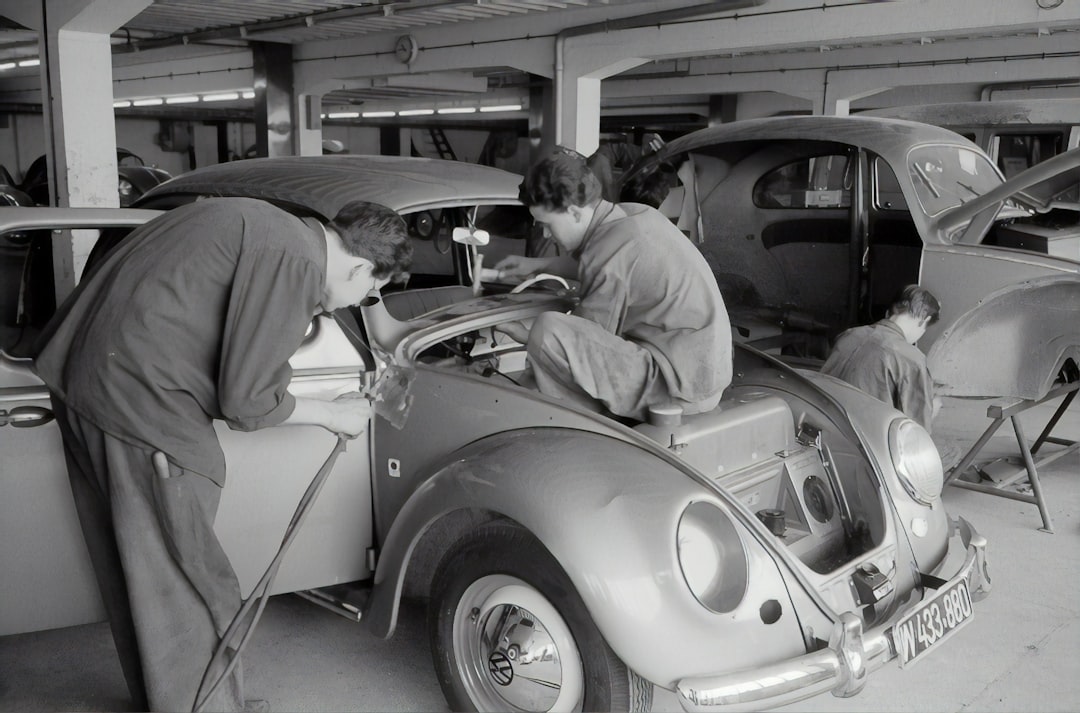
    Picture this: you’ve just spent a weekend watching motorsport highlights, and suddenly your stock sedan feels like a rolling appliance. You start browsing aftermarket parts โ€” a louder exhaust here, a flashier spoiler there โ€” and before you know it, you’re deep in a rabbit hole of modifications that could either make your car a dream machine or land you with a hefty fine at your next inspection. Sound familiar? You’re not alone. Car tuning culture has exploded globally, and in 2026, the rules surrounding what’s legal and what’s not have evolved significantly alongside EV adoption and tightening emissions standards. Let’s think through this together โ€” carefully and practically.

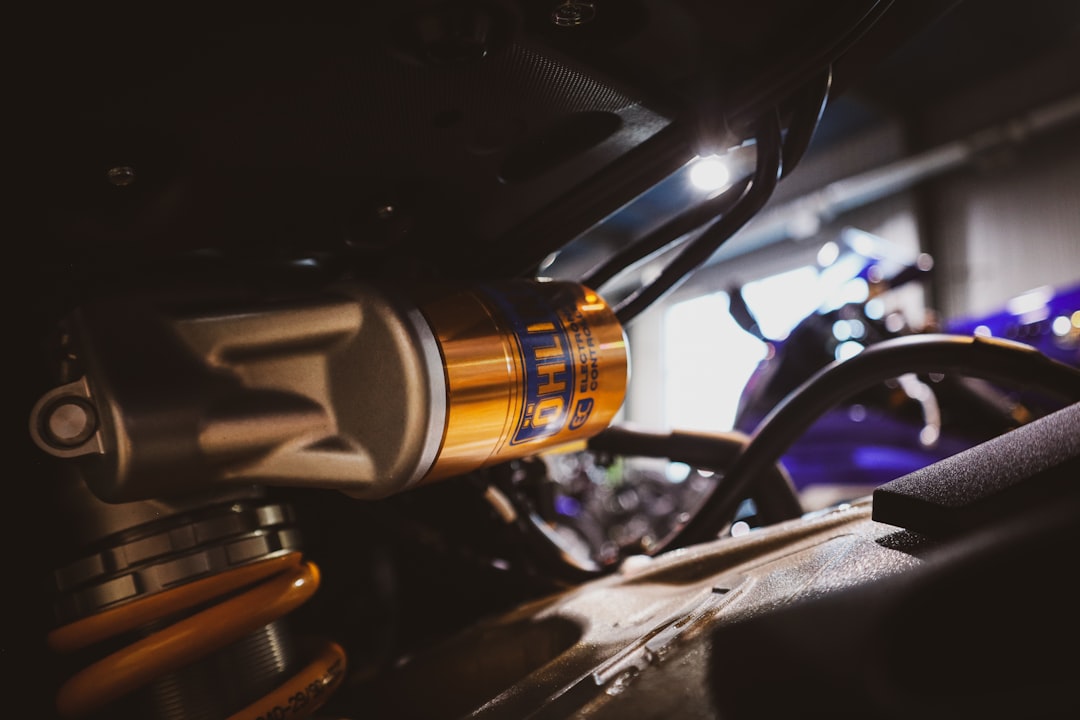
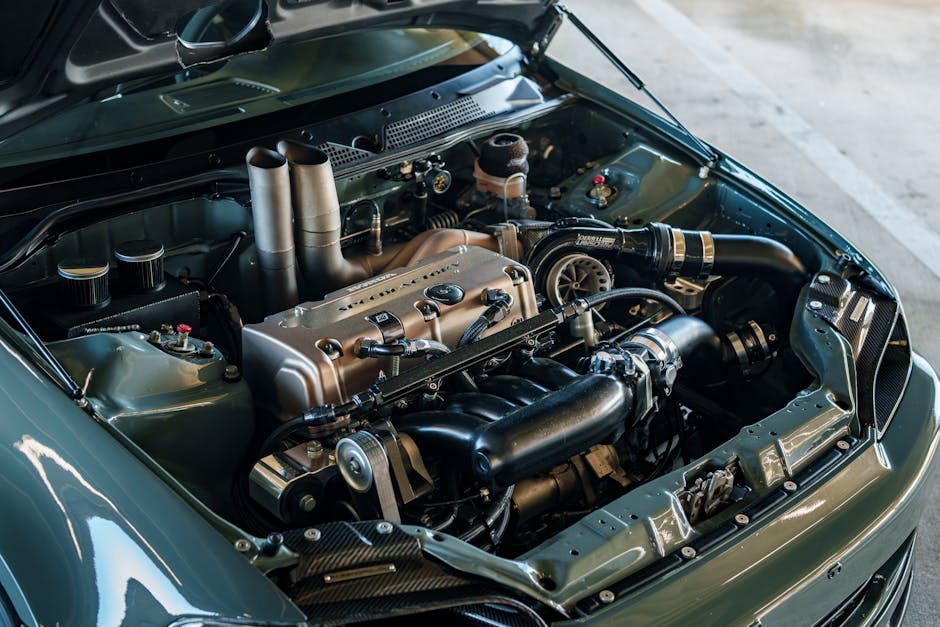
    car tuning workshop legal modifications aftermarket parts

    ๐Ÿ”ง What Is Car Tuning, Exactly?

    “Tuning” broadly refers to any modification made to a vehicle beyond its factory specification. This includes performance tuning (engine, suspension, brakes), aesthetic tuning (body kits, vinyl wraps, custom wheels), and electronic tuning (ECU remapping, software updates). The distinction between legal and illegal tuning typically hinges on three pillars: safety standards, emissions compliance, and type approval regulations โ€” which vary significantly by country.

    ๐Ÿ“Š The Global Tuning Market in 2026: Bigger Than Ever

    According to the 2026 Global Automotive Aftermarket Industry Report, the worldwide car modification market is valued at approximately $560 billion USD, up nearly 18% from three years ago. Interestingly, EV-specific tuning (battery performance mods, regenerative braking calibration) now accounts for roughly 12% of all aftermarket activity โ€” a segment that barely existed a decade ago. This growth has pushed governments to update their regulations, sometimes lagging behind the actual technology available on the streets.

    โœ… Generally Legal Modifications (With Caveats)

    Here’s where things get nuanced. Most countries draw a line between modifications that are cosmetic and reversible versus those that alter fundamental safety or environmental performance. The following are broadly considered legal in most jurisdictions, though always verify with your local transport authority:

    • Window tinting โ€” Legal in most places, but VLT (visible light transmission) percentages are strictly regulated. In the US, front side windows typically must allow 35โ€“70% light depending on the state. In South Korea, 35% or above is required for front windows.
    • Aftermarket wheels โ€” Permitted as long as the wheel size doesn’t dramatically alter speedometer accuracy or foul wheel arches. Oversized wheels that affect ABS calibration can become a gray area.
    • Cold air intakes โ€” Generally legal in most regions, though California’s CARB (California Air Resources Board) requires an EO (Executive Order) number for compliance.
    • Suspension lowering (within limits) โ€” Most countries allow a reduction of up to 30โ€“40mm from factory height before it triggers a re-inspection requirement.
    • Vinyl wraps and paint changes โ€” Legal nearly everywhere, but some jurisdictions require you to notify the vehicle registration authority of a color change.
    • Cat-back exhaust systems โ€” Modifications made after the catalytic converter are generally permissible, as long as noise limits (typically 74โ€“80 dB depending on region) are respected.
    • Cosmetic body kits โ€” Permitted if they don’t protrude dangerously beyond the car’s original body lines or obscure lighting and license plates.

    ๐Ÿšซ Commonly Illegal Modifications โ€” Don’t Get Caught

    • ECU remapping that defeats emissions controls โ€” This is a major red flag in 2026. Under the EU’s updated Euro 7 standards and South Korea’s ๋Œ€๊ธฐํ™˜๊ฒฝ๋ณด์ „๋ฒ• (Clean Air Conservation Act), tampering with emissions-related software is now subject to fines up to โ‚ฌ30,000 in the EU.
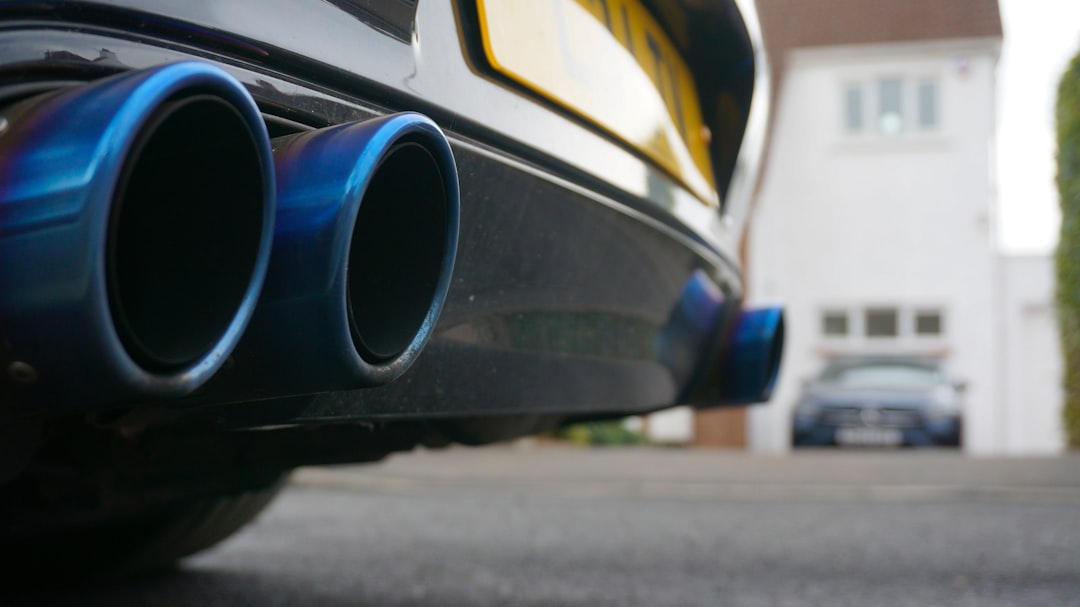
    • Straight-pipe or de-cat exhaust systems โ€” Removing the catalytic converter is illegal in virtually every developed nation and can result in immediate vehicle impoundment in Germany and South Korea.
    • HID/LED conversion in housings not designed for them โ€” Creates dangerous glare for other drivers. Illegal without proper projector housing upgrades in most of Europe, Japan, and Korea.
    • Nitrous Oxide (NOS) systems for road use โ€” Universally illegal on public roads, though permitted on closed circuits.
    • Altered VIN or odometer tampering โ€” Not just a tuning issue; this is criminal fraud in every jurisdiction.
    • Overly tinted windshields โ€” Even 20% tint on a front windshield is illegal almost everywhere globally.
    • Underglow lighting while moving โ€” Most countries restrict neon/LED underglow to stationary display only; using it while driving is treated as a distraction hazard.
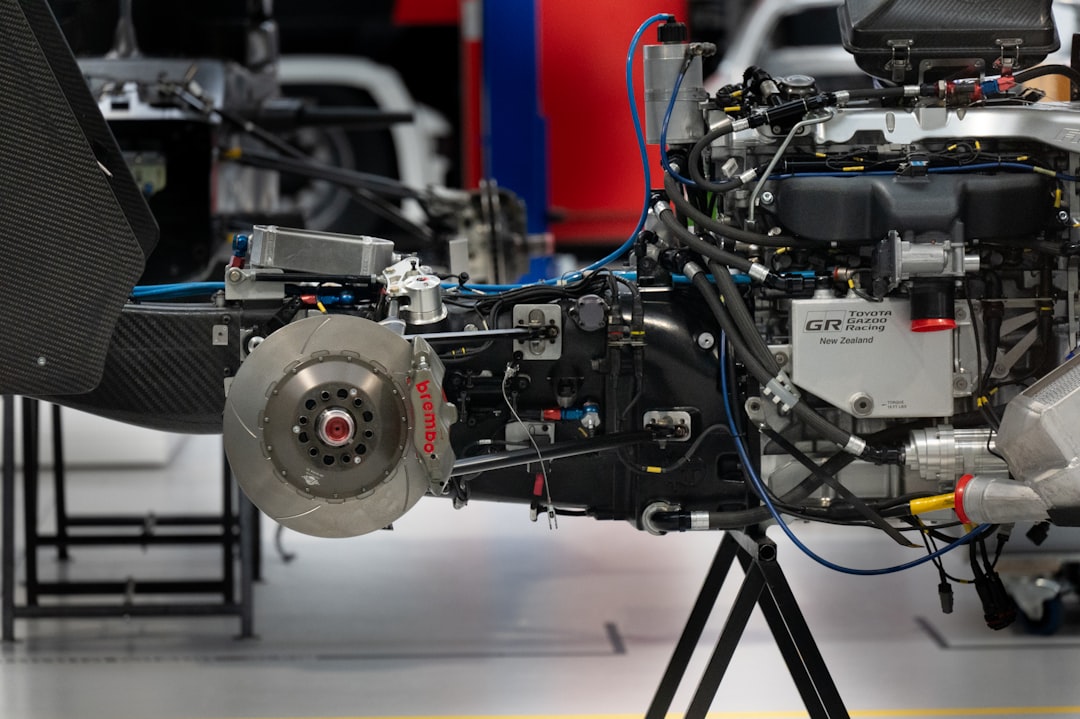
    illegal car modifications exhaust emissions fine inspection

    ๐ŸŒ How Different Countries Handle Tuning: Real-World Examples

    United States: The US operates on a state-by-state patchwork, but the federal Clean Air Act draws a hard line on emissions tampering. California remains the strictest, with CARB certification required for most performance mods. Texas, by contrast, has relatively relaxed standards โ€” a reason many American tuners are based there.

    Germany: Germany is fascinating โ€” the birthplace of the Autobahn has surprisingly strict modification rules. The StraรŸenverkehrs-Zulassungs-Ordnung (StVZO) requires that almost any structural modification receive a TรœV (technical inspection) stamp. However, Germans embrace this culture โ€” TรœV-certified performance builds are a badge of honor. Wide-body kits, for instance, require individual technical approval and are not simply bolt-and-go propositions.

    Japan: Japan’s Shakin (vehicle inspection) system is rigorous. Modifications must comply with JDM standards and be registered. Interestingly, Japan has one of the world’s most sophisticated legal tuning ecosystems โ€” companies like HKS and Cusco produce inspection-compliant parts specifically designed to pass Shakin. The culture respects the law but engineers around it brilliantly.

    South Korea: Under the ์ž๋™์ฐจ๊ด€๋ฆฌ๋ฒ• (Motor Vehicle Management Act), structural modifications require prior approval from the Korea Transportation Safety Authority (KOTSA / ํ•œ๊ตญ๊ตํ†ต์•ˆ์ „๊ณต๋‹จ). Since 2023, enforcement has intensified โ€” unauthorized spoilers, body kit extensions beyond 30mm, and suspension modifications exceeding regulated limits are being flagged at periodic inspections (์ •๊ธฐ๊ฒ€์‚ฌ). Fines start at โ‚ฉ500,000 and can escalate to criminal referral for repeat offenders.

    United Kingdom (post-Brexit): The UK now operates under its own DVSA framework, partially mirroring EU standards but with some divergence. An MOT test failure for illegal mods results not just in fines but potential insurance invalidation โ€” a serious financial risk.

    ๐Ÿ”Œ The EV Tuning Gray Zone in 2026

    One of the fastest-moving legal frontiers right now is electric vehicle tuning. Can you legally remap an EV’s motor controller to unlock more power? In most countries, the answer is no โ€” for the same reason ICE ECU tampering is banned. However, “subscription-based performance unlocking” offered directly by manufacturers (like certain Tesla over-the-air performance boosts or Hyundai’s N Performance packages) occupies a legal safe harbor because the manufacturer controls the modification. Third-party EV remapping remains largely uncharted โ€” and therefore high-risk โ€” territory.

    ๐Ÿ’ก Realistic Alternatives: How to Tune Smart in 2026

    So what if you want a more exciting drive without risking fines, failed inspections, or voided insurance? Here are practical paths forward:

    • Choose manufacturer-approved performance packages โ€” Many OEMs now offer factory-tuned variants (BMW M Performance, Hyundai N Line, Toyota GR accessories) that are fully legal and warranty-preserving.
    • Use certified aftermarket brands โ€” Look for parts with CARB EO numbers (US), TรœV certification (Germany), or KOTSA approval (Korea). Yes, they cost more, but the peace of mind is worth it.
    • Join a car club or track day program โ€” Save your aggressive mods for track-only builds. A dedicated track car can be tuned far beyond road-legal limits, legally.
    • Consult a licensed tuning shop โ€” In 2026, reputable shops will walk you through the paperwork, not just the parts. If a shop skips compliance conversation entirely, that’s a red flag.
    • Document everything โ€” Keep receipts, certification numbers, and approval documents in the glovebox. During an inspection, paperwork is your best friend.

    ๐ŸŽฏ Quick Reference: Legal Check Before You Mod

    Before pulling the trigger on any modification, ask yourself these five questions:

    • Does this modification require a re-registration or notification to the transport authority?
    • Does it affect emissions-related systems (catalytic converter, O2 sensors, DPF)?
    • Will it cause the vehicle to fail the next periodic safety inspection?
    • Could it void my insurance policy or affect my liability in an accident?
    • Is the part certified for road use in my specific country/state/region?

    If you answer “yes” to any of the first four, proceed with extreme caution or consult a legal automotive specialist first.

    Editor’s Comment : Here’s the honest truth โ€” the line between legal and illegal tuning isn’t always a bright red line. It’s often a blurry gradient that depends on your jurisdiction, the specific part, and even how strictly your local inspection station interprets the rules. The smartest tuners I know in 2026 aren’t the ones with the loudest exhausts or the most aggressive ECU maps โ€” they’re the ones who know the rules inside out and push right up to the legal edge with documentation to back them up. Tune smart, tune legal, and enjoy the ride without the courtroom drama.

    ํƒœ๊ทธ: [‘car tuning legal illegal 2026’, ‘aftermarket modifications law’, ‘ECU remapping legality’, ‘car inspection modifications’, ‘illegal car mods guide’, ‘automotive tuning regulations’, ‘EV tuning laws 2026’]

    ๐Ÿ“š ๊ด€๋ จ๋œ ๋‹ค๋ฅธ ๊ธ€๋„ ์ฝ์–ด ๋ณด์„ธ์š”

  • ์ž๋™์ฐจ ํŠœ๋‹ ํ•ฉ๋ฒ• vs ๋ถˆ๋ฒ• ๊ธฐ์ค€ 2026๋…„ ์ด์ •๋ฆฌ | ๊ณผํƒœ๋ฃŒ ํ”ผํ•˜๋Š” ๋ฒ•๊นŒ์ง€

    ์ง€์ธ ์ค‘ ํ•œ ๋ช…์ด ์–ผ๋งˆ ์ „ ๊ฝค ๋‹นํ˜น์Šค๋Ÿฌ์šด ๊ฒฝํ—˜์„ ํ–ˆ์–ด์š”. ์ฃผ๋ง ๋“œ๋ผ์ด๋ธŒ๋ฅผ ์ฆ๊ธฐ๋˜ ์ค‘ ๊ฒฝ์ฐฐ ๋‹จ์†์— ๊ฑธ๋ ธ๋Š”๋ฐ, ๋ณธ์ธ์€ ‘๊ทธ๋ƒฅ ๋ฉ‹์œผ๋กœ ๋‹ฌ์•˜๋˜’ ํ‹ดํŒ…๊ณผ ๋จธํ”Œ๋Ÿฌ ๊ต์ฒด๊ฐ€ ๋ถˆ๋ฒ• ๊ตฌ์กฐ ๋ณ€๊ฒฝ์— ํ•ด๋‹นํ•œ๋‹ค๋Š” ๊ฑธ ๊ทธ ์ž๋ฆฌ์—์„œ ์ฒ˜์Œ ์•Œ๊ฒŒ ๋œ ๊ฑฐ์ฃ . ๊ณผํƒœ๋ฃŒ์— ์›์ƒ๋ณต๊ตฌ ๋ช…๋ น๊นŒ์ง€ ๋ฐ›๊ณ  ๋‚˜์„œ์•ผ “ํŠœ๋‹์—๋„ ๋ฒ•์ด ์žˆ๊ตฌ๋‚˜” ํ•˜๊ณ  ์‹ค๊ฐํ–ˆ๋‹ค๊ณ  ํ•˜๋”๋ผ๊ณ ์š”.

    ์‚ฌ์‹ค ์ž๋™์ฐจ ํŠœ๋‹์€ ‘๋‚ด ์ฐจ๋ฅผ ๋‚ด ๋งˆ์Œ๋Œ€๋กœ ๊พธ๋ฏธ๋Š” ๊ฒƒ’์ฒ˜๋Ÿผ ๋А๊ปด์ง€๊ธฐ ์‰ฌ์šด๋ฐ, ๊ตญ๋‚ด ๋„๋กœ๊ตํ†ต๋ฒ•๊ณผ ์ž๋™์ฐจ๊ด€๋ฆฌ๋ฒ• ํ…Œ๋‘๋ฆฌ ์•ˆ์—์„œ๋Š” ์ƒ๊ฐ๋ณด๋‹ค ํ›จ์”ฌ ์„ธ๋ฐ€ํ•˜๊ฒŒ ๊ทœ์ •๋ผ ์žˆ์–ด์š”. 2026๋…„ ํ˜„์žฌ ๊ธฐ์ค€์œผ๋กœ ํ•ฉ๋ฒ•๊ณผ ๋ถˆ๋ฒ•์˜ ๊ฒฝ๊ณ„๊ฐ€ ์–ด๋””์— ์žˆ๋Š”์ง€, ๊ทธ๋ฆฌ๊ณ  ํ˜„์‹ค์ ์œผ๋กœ ์–ด๋–ป๊ฒŒ ์ ‘๊ทผํ•ด์•ผ ํ•˜๋Š”์ง€ ํ•จ๊ป˜ ์ •๋ฆฌํ•ด ๋ณผ๊ฒŒ์š”.

    car tuning legal illegal Korea road

    ๐Ÿ“Œ ์ž๋™์ฐจ ํŠœ๋‹์ด๋ž€? ๋ฒ•์  ์ •์˜๋ถ€ํ„ฐ ์žก๊ณ  ๊ฐ€๊ธฐ

    ใ€Œ์ž๋™์ฐจ๊ด€๋ฆฌ๋ฒ•ใ€ ์ œ2์กฐ์— ๋”ฐ๋ฅด๋ฉด, ์ž๋™์ฐจ ํŠœ๋‹์ด๋ž€ ์ž๋™์ฐจ์˜ ๊ตฌ์กฐยท์žฅ์น˜๋ฅผ ๋ณ€๊ฒฝํ•˜๋Š” ๋ชจ๋“  ํ–‰์œ„๋ฅผ ๋งํ•ด์š”. ๋‹จ์ˆœํžˆ ์Šคํ‹ฐ์ปค๋ฅผ ๋ถ™์ด๊ฑฐ๋‚˜ ์‹œํŠธ ์ปค๋ฒ„๋ฅผ ๊ต์ฒดํ•˜๋Š” ๊ฑด ํ•ด๋‹น ์—†์ง€๋งŒ, ์—”์ง„ยท์ œ๋™ยท์กฐํ–ฅยท์—ฐ๋ฃŒ์žฅ์น˜ ๋“ฑ ํ•ต์‹ฌ ๊ตฌ์กฐ๋ฌผ์„ ์†๋Œ€๋Š” ์ˆœ๊ฐ„ ๋ฒ•์˜ ์˜์—ญ์œผ๋กœ ๋“ค์–ด์˜ค๊ฒŒ ๋ฉ๋‹ˆ๋‹ค.

    ํŠœ๋‹์€ ํฌ๊ฒŒ ์„ธ ๊ฐ€์ง€๋กœ ๋ถ„๋ฅ˜๋ผ์š”.

    • ์Šน์ธ ๋ถˆํ•„์š” ํŠœ๋‹: ๊ตฌ์กฐยท์„ฑ๋Šฅ์— ์˜ํ–ฅ์„ ์ฃผ์ง€ ์•Š๋Š” ๋‹จ์ˆœ ๋ถ€ํ’ˆ ๊ต์ฒด (์˜ˆ: ์ˆœ์ • ๊ทœ๊ฒฉ ๋‚ด ํƒ€์ด์–ด ๊ต์ฒด, ์ˆœ์ • ์ŠคํŽ™ ์ด๋‚ด ๋ฐฐํ„ฐ๋ฆฌ ๊ต์ฒด)
    • ์ž๊ธฐ์ธ์ฆ ํŠœ๋‹: ๋น„๊ต์  ๊ฒฝ๋ฏธํ•œ ๋ณ€๊ฒฝ์œผ๋กœ ํŠœ๋‹์—…์ฒด๊ฐ€ ์ž์ฒด ์ธ์ฆ ํ›„ ์‹œํ–‰ ๊ฐ€๋Šฅ (2022๋…„ ์ œ๋„ ๋„์ž… ์ดํ›„ ์ง€์† ํ™•๋Œ€ ์ค‘)
    • ์Šน์ธ ํ•„์š” ํŠœ๋‹: ํ•œ๊ตญ๊ตํ†ต์•ˆ์ „๊ณต๋‹จ(TS)์˜ ํŠœ๋‹ ์Šน์ธ์„ ๋ฐ›์•„์•ผ ํ•˜๋Š” ๊ตฌ์กฐ ๋ณ€๊ฒฝ (์—”์ง„ ๊ต์ฒด, ์ฐจ์ฒด ๊ตฌ์กฐ ๋ณ€๊ฒฝ, ์ถ•๊ฑฐ ๋ณ€๊ฒฝ ๋“ฑ)

    ๐Ÿ“Š ํ•ฉ๋ฒ• ํŠœ๋‹ vs ๋ถˆ๋ฒ• ํŠœ๋‹, ํ•ญ๋ชฉ๋ณ„ ์ˆ˜์น˜ ๊ธฐ์ค€ ์ •๋ฆฌ

    ๊ฐ€์žฅ ํ—ท๊ฐˆ๋ฆฌ๋Š” ๋ถ€๋ถ„์ด ๋ฐ”๋กœ ‘์–ด๋””๊นŒ์ง€๊ฐ€ ํ•ฉ๋ฒ•์ด๋ƒ’๋Š” ๊ฑฐ์ž–์•„์š”. 2026๋…„ ํ˜„์žฌ ์ž๋™์ฐจ๊ด€๋ฆฌ๋ฒ• ์‹œํ–‰๊ทœ์น™ ๋ฐ TS ๊ธฐ์ค€์„ ๊ธฐ๋ฐ˜์œผ๋กœ ์ฃผ์š” ํ•ญ๋ชฉ์„ ์ •๋ฆฌํ•ด ๋ดค์–ด์š”.

    • ํƒ€์ด์–ด & ํœ : ์ˆœ์ • ๋Œ€๋น„ ํƒ€์ด์–ด ์™ธ๊ฒฝ ยฑ3% ์ด๋‚ด, ํœ  ํญ์ด ํŽœ๋”๋ฅผ ์ดˆ๊ณผํ•˜์ง€ ์•Š๋Š” ๋ฒ”์œ„๋Š” ํ•ฉ๋ฒ•. ํŽœ๋” ๋ฐ–์œผ๋กœ ํƒ€์ด์–ด๊ฐ€ ํŠ€์–ด๋‚˜์˜ค๋ฉด ์ฆ‰์‹œ ๋ถˆ๋ฒ•.
    • ์ฐจ๊ณ  ๋ณ€๊ฒฝ(๋กœ์šฐ๋งยท๋ฆฌํ”„ํŠธ์—…): ๊ธฐ์ค€ ์ฐจ๊ณ  ๋Œ€๋น„ ยฑ4cm ์ด๋‚ด๋Š” ํ—ˆ์šฉ ๋ฒ”์œ„. ๊ทธ ์ด์ƒ ๋‚ด๋ฆฌ๊ฑฐ๋‚˜ ์˜ฌ๋ฆฌ๋ฉด ๊ตฌ์กฐ ๋ณ€๊ฒฝ ์Šน์ธ ํ•„์š”.
    • ์œˆ๋„์šฐ ํ‹ดํŒ…: ์ „๋ฉด ์œ ๋ฆฌ ๊ฐ€์‹œ๊ด‘์„  ํˆฌ๊ณผ์œจ 70% ์ด์ƒ, ์šด์ „์„ยท์กฐ์ˆ˜์„ ์ธก๋ฉด ์œ ๋ฆฌ 40% ์ด์ƒ ์œ ์ง€ํ•ด์•ผ ํ•ฉ๋ฒ•. 2026๋…„ ํ˜„์žฌ ๊ธฐ์ค€๋„ ๋™์ผํ•˜๊ฒŒ ์œ ์ง€ ์ค‘.
    • ๋จธํ”Œ๋Ÿฌ ๊ต์ฒด: ๋ฐฐ๊ธฐ ์†Œ์Œ ๊ธฐ์ค€ ์ดˆ๊ณผ ์‹œ ๋ถˆ๋ฒ•. ์†Œํ˜• ์Šน์šฉ์ฐจ ๊ธฐ์ค€ ๊ฐ€์† ์ฃผํ–‰ ์†Œ์Œ 74dB ์ดํ•˜๋ฅผ ์ถฉ์กฑํ•ด์•ผ ํ•ด์š”. ๊ณต์ธ๋œ ์ธ์ฆ ๋ถ€ํ’ˆ ์‚ฌ์šฉ์ด ํ•ต์‹ฌ.
    • HIDยทLED ํ—ค๋“œ๋ผ์ดํŠธ: ์ˆœ์ • ์‚ฌ์–‘๊ณผ ๋™์ผํ•œ ๊ทœ๊ฒฉ์˜ KS ๋˜๋Š” ECE ์ธ์ฆ ์ œํ’ˆ์œผ๋กœ ๊ต์ฒด ์‹œ ํ•ฉ๋ฒ•. ์ž„์˜ ์ƒ‰์ƒ ๋ณ€๊ฒฝ(์ฒญ์ƒ‰ยท์ ์ƒ‰ ๋“ฑ)์€ ๋ถˆ๋ฒ•.
    • ์—์–ด์Šคํฌ์ผ๋Ÿฌยท๋ฐ”๋””ํ‚ท: ์ฐจ๋Ÿ‰ ์ „์žฅ ๊ธธ์ด ๊ธฐ์ค€ ๋Œ์ถœ ํญ์ด 3cm ์ดํ•˜์ด๊ณ  ์•ˆ์ „ ๊ธฐ์ค€์— ์œ„๋ฐฐ๋˜์ง€ ์•Š์œผ๋ฉด ์Šน์ธ ์—†์ด ๊ฐ€๋Šฅํ•œ ๊ฒฝ์šฐ๋„ ์žˆ์–ด์š”. ๋‹จ, ์—์–ด๋Œ์ด ์ง€์ƒ ์ตœ์ €๊ณ ๋„ ๊ธฐ์ค€(์Šน์šฉ์ฐจ 9cm ์ด์ƒ)์„ ์นจํ•ดํ•˜๋ฉด ์•ˆ ๋ฉ๋‹ˆ๋‹ค.
    • ์—”์ง„ ์Šค์™‘ยทECU ํŠœ๋‹: ๋ฐ˜๋“œ์‹œ TS ํŠœ๋‹ ์Šน์ธ ํ•„์š”. ์ž„์˜ ์—”์ง„ ๊ต์ฒด ์ ๋ฐœ ์‹œ ๊ณผํƒœ๋ฃŒ ์ตœ๋Œ€ 300๋งŒ ์› + ์šดํ–‰ ์ •์ง€ ์ฒ˜๋ถ„.

    ๐ŸŒ ๊ตญ๋‚ด์™ธ ์‚ฌ๋ก€๋กœ ๋ณด๋Š” ํŠœ๋‹ ๊ทœ์ œ์˜ ํ˜„์‹ค

    ๋…์ผ์˜ ๊ฒฝ์šฐ TรœV(๋…์ผ๊ธฐ์ˆ ๊ฒ€์‚ฌํ˜‘ํšŒ) ์ธ์ฆ ์‹œ์Šคํ…œ์„ ํ†ตํ•ด ํŠœ๋‹ ๋ถ€ํ’ˆ์˜ ์•ˆ์ „์„ฑ์„ ์‚ฌ์ „์— ๊ฒ€์ฆํ•˜๊ณ , ์ธ์ฆ ์Šคํ‹ฐ์ปค๊ฐ€ ๋ถ™์€ ๋ถ€ํ’ˆ์ด๋ผ๋ฉด ๋น„๊ต์  ์ž์œ ๋กญ๊ฒŒ ์žฅ์ฐฉํ•  ์ˆ˜ ์žˆ์–ด์š”. ๋•๋ถ„์— ๋…์ผ์€ ๊ณ ์„ฑ๋Šฅ ํŠœ๋‹ ๋ฌธํ™”๊ฐ€ ํ•ฉ๋ฒ•์ ์œผ๋กœ ๋ฐœ์ „ํ•  ์ˆ˜ ์žˆ๋Š” ์ธํ”„๋ผ๋ฅผ ๊ฐ–์ถ”๊ณ  ์žˆ๋‹ค๊ณ  ๋ด์š”.

    ์ผ๋ณธ ์—ญ์‹œ JDM(Japan Domestic Market) ํŠœ๋‹ ๋ฌธํ™”๊ฐ€ ๋ฟŒ๋ฆฌ ๊นŠ์€๋ฐ, ์ฐจ๊ฒ€(่ปŠๆคœยท์ƒค์ผ„) ๊ธฐ์ค€์— ๋งž์ง€ ์•Š๋Š” ํŠœ๋‹์€ ๊ณต๋„ ์ฃผํ–‰์ด ๋ถˆ๊ฐ€๋Šฅํ•˜๊ณ , ์„œํ‚ท ์ „์šฉ ์ฐจ๋Ÿ‰์€ ๋ณ„๋„๋กœ ๊ด€๋ฆฌํ•˜๋Š” ์ด์›ํ™” ์‹œ์Šคํ…œ์„ ์šด์šฉํ•˜๊ณ  ์žˆ์–ด์š”.

    ๋ฐ˜๋ฉด ๊ตญ๋‚ด๋Š” 2020๋…„๋Œ€ ๋“ค์–ด ํŠœ๋‹ ์‚ฐ์—… ํ™œ์„ฑํ™” ์ •์ฑ…์ด ๊พธ์ค€ํžˆ ์ถ”์ง„๋ผ ์™”์–ด์š”. 2026๋…„ ํ˜„์žฌ TS์— ๋“ฑ๋ก๋œ ํŠœ๋‹์—…์ฒด ์ˆ˜๋Š” ์•ฝ 4,500์—ฌ ๊ณณ์œผ๋กœ, 2020๋…„ ๋Œ€๋น„ ์•ฝ 1.8๋ฐฐ ์„ฑ์žฅํ–ˆ๊ณ , ํ•ฉ๋ฒ• ํŠœ๋‹ ์Šน์ธ ๊ฑด์ˆ˜๋„ ์—ฐ๊ฐ„ ์•ฝ 12๋งŒ ๊ฑด ์ˆ˜์ค€์œผ๋กœ ๋Š˜์–ด๋‚œ ๊ฒƒ์œผ๋กœ ๋ผ๊ณ  ๋ด…๋‹ˆ๋‹ค. ๋‹ค๋งŒ ์—ฌ์ „ํžˆ ‘์ผ๋‹จ ๋‹ฌ๊ณ  ๋ณด๋Š”’ ๋ถˆ๋ฒ• ๊ฐœ์กฐ ์ฐจ๋Ÿ‰์ด ๋‹จ์† ์ฐจ๋Ÿ‰์˜ 40% ์ด์ƒ์„ ์ฐจ์ง€ํ•œ๋‹ค๋Š” ์ ์€ ์•„์‰ฌ์šด ํ˜„์‹ค์ด์—์š”.

    car tuning workshop Korea modification parts

    ๐Ÿšจ ๋ถˆ๋ฒ• ํŠœ๋‹ ์ ๋ฐœ ์‹œ ์ฒ˜๋ฒŒ ์ˆ˜์œ„๋Š”?

    ๋‹จ์ˆœํžˆ ๊ณผํƒœ๋ฃŒ๋กœ ๋๋‚˜์ง€ ์•Š๋Š” ๊ฒฝ์šฐ๊ฐ€ ๋งŽ๋‹ค๋Š” ๊ฑธ ์•Œ์•„์•ผ ํ•ด์š”.

    • ๊ตฌ์กฐ๋ณ€๊ฒฝ ๋ฏธ์Šน์ธ ์šดํ–‰: ๊ณผํƒœ๋ฃŒ 50๋งŒ~300๋งŒ ์›
    • ์†Œ์Œ ๊ธฐ์ค€ ์ดˆ๊ณผ ๋จธํ”Œ๋Ÿฌ: 1์ฐจ ๊ฒฝ๊ณ  ํ›„ 2์ฐจ๋ถ€ํ„ฐ ๊ณผํƒœ๋ฃŒ ๋ถ€๊ณผ, ์šดํ–‰ ์ •์ง€ ๋ช…๋ น ๊ฐ€๋Šฅ
    • ๋ถˆ๋ฒ• ํ‹ดํŒ…: ๋ฒ”์น™๊ธˆ 4๋งŒ ์›(์Šน์šฉ์ฐจ ๊ธฐ์ค€), ํ˜„์žฅ ์ฆ‰์‹œ ์ œ๊ฑฐ ๋ช…๋ น
    • ์‚ฌ๊ณ  ๋ฐœ์ƒ ์‹œ: ๋ถˆ๋ฒ• ํŠœ๋‹ ์ƒํƒœ๊ฐ€ ์‚ฌ๊ณ  ์›์ธ๊ณผ ์—ฐ๊ด€๋˜๋ฉด ๋ณดํ—˜ ๋ฉด์ฑ… ์‚ฌ์œ ๊ฐ€ ๋  ์ˆ˜ ์žˆ์–ด ์‹ค์งˆ์  ํ”ผํ•ด๊ฐ€ ํ›จ์”ฌ ์ปค์งˆ ์ˆ˜ ์žˆ์–ด์š”.

    โœ… ํ•ฉ๋ฒ•์ ์œผ๋กœ ํŠœ๋‹์„ ์ฆ๊ธฐ๋Š” ํ˜„์‹ค์ ์ธ ๋ฐฉ๋ฒ•

    ํŠœ๋‹ ์ž์ฒด๊ฐ€ ๋‚˜์œ ๊ฒŒ ์•„๋‹ˆ์—์š”. ์ ˆ์ฐจ๋ฅผ ์ง€ํ‚ค๋ฉด ์ถฉ๋ถ„ํžˆ ๊ฐœ์„ฑ ์žˆ๋Š” ์ฐจ๋ฅผ ๋งŒ๋“ค ์ˆ˜ ์žˆ์–ด์š”. ๋ช‡ ๊ฐ€์ง€ ์‹ค์งˆ์ ์ธ ํŒ์„ ๋“œ๋ฆด๊ฒŒ์š”.

    • TS ํŠœ๋‹ ํฌํ„ธ(tuning.kotsa.or.kr) ํ™œ์šฉ: ๋‚ด๊ฐ€ ์›ํ•˜๋Š” ํŠœ๋‹์ด ์Šน์ธ ๋Œ€์ƒ์ธ์ง€ ์•„๋‹Œ์ง€ ์‚ฌ์ „์— ์กฐํšŒํ•  ์ˆ˜ ์žˆ์–ด์š”.
    • ๊ณต์ธ ํŠœ๋‹์—…์ฒด ์„ ํƒ: ๊ตญํ† ๊ตํ†ต๋ถ€ ๋“ฑ๋ก ํŠœ๋‹์—…์ฒด ์—ฌ๋ถ€๋ฅผ ๋ฐ˜๋“œ์‹œ ํ™•์ธํ•˜๊ณ  ์ž‘์—… ์ „ ์„œ๋ฉด ๊ณ„์•ฝ์„œ๋ฅผ ๋ฐ›์•„๋‘๋Š” ๊ฒŒ ์ข‹์•„์š”.
    • ์ธ์ฆ ๋ถ€ํ’ˆ ์‚ฌ์šฉ: KS, ECE, DOT ๋“ฑ ๊ตญ์ œ ์ธ์ฆ์„ ๋ฐ›์€ ๋ถ€ํ’ˆ์„ ์‚ฌ์šฉํ•˜๋ฉด ํ•ฉ๋ฒ• ํŒ์ • ๊ฐ€๋Šฅ์„ฑ์ด ๋†’์•„์ ธ์š”.
    • ํŠœ๋‹ ์ „ ์ž๋™์ฐจ ๊ฒ€์‚ฌ ์ด๋ ฅ ํ™•์ธ: ์ค‘๊ณ ์ฐจ ๊ตฌ์ž… ํ›„ ์ „ ์†Œ์œ ์ฃผ๊ฐ€ ๋ฌด์Šน์ธ ํŠœ๋‹์„ ํ•œ ๊ฒฝ์šฐ ๋‚˜๋„ ๋ชจ๋ฅด๊ฒŒ ์ฒ˜๋ฒŒ์„ ๋ฐ›์„ ์ˆ˜ ์žˆ์œผ๋‹ˆ ๊ผญ ํ™•์ธํ•ด์š”.

    ์—๋””ํ„ฐ ์ฝ”๋ฉ˜ํŠธ : ํŠœ๋‹์€ ์ž๋™์ฐจ๋ฅผ ๋Œ€ํ•˜๋Š” ํƒœ๋„๊ฐ€ ์–ผ๋งˆ๋‚˜ ์ง„์ง€ํ•œ์ง€๋ฅผ ๋ณด์—ฌ์ฃผ๋Š” ์˜์—ญ์ธ ๊ฒƒ ๊ฐ™์•„์š”. ‘๊ทธ๋ƒฅ ์˜ˆ๋ป ๋ณด์—ฌ์„œ’๊ฐ€ ์•„๋‹ˆ๋ผ ‘์™œ ์ด ๋ถ€ํ’ˆ์ด ๋‚ด ์ฐจ์— ํ•„์š”ํ•œ๊ฐ€’๋ฅผ ๋จผ์ € ๋”ฐ์ง€๋Š” ์‚ฌ๋žŒ์ด ๊ฒฐ๊ตญ ํ•ฉ๋ฒ•์˜ ํ…Œ๋‘๋ฆฌ ์•ˆ์—์„œ๋„ ์ถฉ๋ถ„ํžˆ ๋งŒ์กฑ์Šค๋Ÿฌ์šด ๊ฒฐ๊ณผ๋ฅผ ์–ป๋Š”๋‹ค๊ณ  ๋ด์š”. 2026๋…„ ํ˜„์žฌ ๊ทœ์ œ ์™„ํ™” ํ๋ฆ„์ด ๊ณ„์†๋˜๊ณ  ์žˆ๋Š” ๋งŒํผ, ์ œ๋„์˜ ๋ณ€ํ™”๋ฅผ ์ฃผ๊ธฐ์ ์œผ๋กœ ์ฒดํฌํ•˜๋ฉด์„œ ์ฆ๊ธฐ๋Š” ๊ฒƒ์ด ๊ฐ€์žฅ ํ˜„๋ช…ํ•œ ๋ฐฉ๋ฒ•์ด๋ผ๊ณ  ์ƒ๊ฐํ•ด์š”. ๋ฉ‹์ง„ ์ฐจ๋Š” ๋ฒˆ๊ฑฐ๋กœ์šด ์ ˆ์ฐจ๋ฅผ ์ด๊ฒจ๋‚ธ ๋’ค์— ๋” ๋น›๋‚˜๋Š” ๋ฒ•์ด๋‹ˆ๊นŒ์š”. ๐Ÿ˜Š

    ํƒœ๊ทธ: [‘์ž๋™์ฐจํŠœ๋‹’, ‘ํ•ฉ๋ฒ•ํŠœ๋‹’, ‘๋ถˆ๋ฒ•ํŠœ๋‹๊ธฐ์ค€’, ‘ํŠœ๋‹์Šน์ธ’, ‘์ž๋™์ฐจ๊ด€๋ฆฌ๋ฒ•’, ‘ํŠœ๋‹๊ณผํƒœ๋ฃŒ’, ‘2026์ž๋™์ฐจํŠœ๋‹’]


    ๐Ÿ“š ๊ด€๋ จ๋œ ๋‹ค๋ฅธ ๊ธ€๋„ ์ฝ์–ด ๋ณด์„ธ์š”

  • Car Battery Life Extension Tips 2026: What Mechanics Won’t Always Tell You

    A friend of mine drove a 2021 sedan for nearly four years without a single battery replacement โ€” and no, she wasn’t just lucky. She was deliberate. Every time I’d complain about my car dying in a parking lot (embarrassingly twice in one winter), she’d calmly walk me through habits she’d picked up from her father, a retired auto technician. Fast forward to 2026, and with EV adoption rising but internal combustion engine (ICE) vehicles still dominating driveways worldwide, knowing how to genuinely extend your 12V lead-acid or AGM battery’s life is still one of the most practical automotive skills you can have.

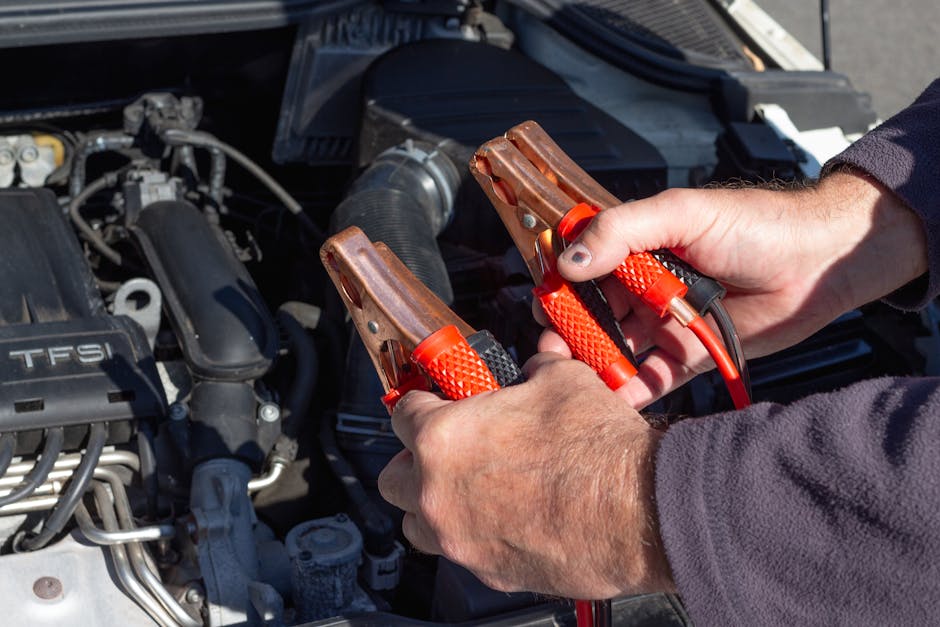
    car battery maintenance under hood 2026

    Why Car Batteries Fail Faster Than They Should

    Here’s a sobering stat: the average car battery is rated for 3โ€“5 years, yet AAA data and industry surveys from early 2026 show that a significant portion of battery failures happen before the 3-year mark โ€” largely due to preventable user habits. The culprits? Frequent short trips, extreme temperature swings, and parasitic drain from always-on electronics. Modern vehicles in 2026 are loaded with features โ€” ambient sensors, connected dashboards, OTA update receivers โ€” all quietly sipping power even when parked.

    Understanding battery chemistry helps here. Most non-EV cars still use lead-acid or absorbed glass mat (AGM) batteries. AGM batteries, now standard in most 2023โ€“2026 model vehicles with start-stop systems, are more resilient but equally sensitive to deep discharge cycles. Each time your battery drops below 50% charge, it ages measurably faster. This is called sulfation โ€” lead sulfate crystals build up on the plates and reduce capacity over time.

    The Real Data Behind Temperature & Battery Degradation

    Temperature is arguably the single biggest external enemy of battery longevity. According to Battery Council International (BCI) guidelines updated in 2025, battery capacity can drop by as much as 35% in freezing temperatures (below 0ยฐC / 32ยฐF), and sustained heat above 35ยฐC (95ยฐF) accelerates internal corrosion and water loss in flooded batteries. If you’re in Seoul, Chicago, or Dubai โ€” three cities with wildly different but equally battery-hostile climates โ€” this matters enormously to your maintenance strategy.

    Proven Tips to Extend Your Car Battery Life in 2026

    • Take longer drives regularly: Short trips under 15 minutes don’t give your alternator enough time to fully recharge the battery after startup. Aim for at least one 30-minute highway drive per week if you mostly do city errands.
    • Use a smart trickle charger if parked long-term: CTEK and NOCO are two well-regarded brands in 2026 offering smart chargers that automatically stop when the battery is full โ€” no overcharging risk.
    • Turn off all electronics before shutting down: Headlights, seat warmers, and infotainment systems left on even briefly after engine off can initiate slow drain cycles that compound over weeks.
    • Clean terminals every 6 months: White or blue-green corrosion on battery terminals increases resistance and forces harder charging cycles. A simple baking soda-water solution and a wire brush fix this in 10 minutes.
    • Park in shaded or covered areas in summer: Engine bay temperatures in direct sunlight can exceed 60ยฐC (140ยฐF) in July and August โ€” brutal for any battery chemistry.
    • Test your battery twice a year: Most auto parts stores (AutoZone, O’Reilly, Halfords in the UK) offer free battery load tests. Testing in early spring and early fall catches degradation before it strands you.
    • Minimize parasitic drain from aftermarket accessories: Dash cams, phone chargers left plugged in, and aftermarket alarms are common culprits. Use a multimeter or a smart OBD-II dongle to identify abnormal drain.
    battery terminal cleaning corrosion removal car DIY

    Real-World Examples: How Drivers in Different Climates Handle This

    In South Korea, where winters in cities like Incheon can drop to -15ยฐC, many drivers have adopted the habit of using battery blankets โ€” insulated wraps that maintain thermal stability overnight. Local auto shops report that customers who use these see battery replacements pushed back by an average of 12โ€“18 months. It’s a small investment (roughly โ‚ฉ15,000โ€“โ‚ฉ30,000 / ~$11โ€“$22 USD in 2026) with a disproportionate return.

    In Australia, where summer temperatures regularly exceed 40ยฐC in cities like Adelaide and Perth, the NRMA (National Roads and Motorists’ Association) has consistently recommended AGM over standard flooded batteries for their heat resilience. Australian workshops in 2026 have largely shifted their default replacement recommendation to AGM for this reason. The upfront cost is 20โ€“40% higher, but the extended service life under heat stress makes it cost-effective over a 5-year vehicle ownership window.

    In the United States, where the start-stop vehicle segment has grown to represent over 45% of new car sales by 2026, fleet management companies are integrating battery health monitoring into their telematics systems. Companies like Geotab and Samsara now offer real-time battery voltage tracking as part of their standard dashboards โ€” alerting fleet managers before a failure disrupts operations. Individual car owners can mimic this with affordable OBD-II Bluetooth adapters paired with apps like Car Scanner or Torque Pro.

    When Extension Isn’t Enough: Realistic Alternatives

    Let’s be honest โ€” no maintenance routine makes a battery immortal. If your battery is already 4+ years old, showing voltage below 12.4V at rest, or failing a load test, the smart move is proactive replacement rather than chasing another 6 months. The cost of a tow, a missed meeting, or a car that won’t start in a remote area far outweighs a $150โ€“$250 battery replacement.

    For those considering the switch to an EV or hybrid in 2026, it’s worth noting that while high-voltage traction batteries have their own longevity considerations, the 12V auxiliary battery in EVs (yes, they still have one) follows the same rules outlined above. So these habits remain relevant regardless of your powertrain.

    If you’re budget-constrained and your battery is borderline, a quality smart charger ($40โ€“$80) combined with disciplined driving habits can realistically squeeze 6โ€“12 more months out of a marginal battery โ€” buying you time to budget for a proper replacement without the panic of an unexpected failure.

    Editor’s Comment : The most underrated car maintenance habit in 2026 is also one of the simplest โ€” just pay attention. A battery that’s failing gives you signals weeks in advance: sluggish starts, dimming lights at idle, electronics behaving oddly. The drivers who never get stranded aren’t the ones with magic products; they’re the ones who test early, clean regularly, and replace before crisis mode. Treat your battery like a subscription you proactively manage, not a component you replace reactively, and it’ll reward you with years of reliable service.

    ํƒœ๊ทธ: [‘car battery tips 2026’, ‘extend car battery life’, ‘AGM battery maintenance’, ‘auto battery care guide’, ‘prevent battery failure’, ‘car maintenance 2026’, ‘battery longevity hacks’]


    ๐Ÿ“š ๊ด€๋ จ๋œ ๋‹ค๋ฅธ ๊ธ€๋„ ์ฝ์–ด ๋ณด์„ธ์š”

  • ์ž๋™์ฐจ ๋ฐฐํ„ฐ๋ฆฌ ์ˆ˜๋ช… ์—ฐ์žฅ ๊ด€๋ฆฌ ํŒ 2026 โ€“ ๊ต์ฒด ๋น„์šฉ ์•„๋ผ๋Š” ํ˜„์‹ค์ ์ธ ๋ฐฉ๋ฒ•

    ์–ผ๋งˆ ์ „ ์ง€์ธ์ด ์ถœ๊ทผ๊ธธ์— ์ฐจ๊ฐ€ ์‹œ๋™์ด ๊ฑธ๋ฆฌ์ง€ ์•Š์•„ ์ง€๊ฐ์„ ํ–ˆ๋‹ค๊ณ  ํ‘ธ๋…์„ ๋Š˜์–ด๋†“๋”๋ผ๊ณ ์š”. ์•Œ๊ณ  ๋ณด๋‹ˆ ๋ฐฐํ„ฐ๋ฆฌ๋ฅผ ํ•œ ๋ฒˆ๋„ ์ ๊ฒ€ํ•˜์ง€ ์•Š๊ณ  5๋…„ ๋„˜๊ฒŒ ํƒ„ ๊ฒŒ ์›์ธ์ด์—ˆ์–ด์š”. ๋ฐฐํ„ฐ๋ฆฌ ๊ต์ฒด ๋น„์šฉ๋งŒ ๋ฌด๋ ค 20๋งŒ ์› ๊ฐ€๊นŒ์ด ๋‚˜์™”๋‹ค๊ณ  ํ•˜๋”๊ตฐ์š”. ์‚ฌ์‹ค ์กฐ๊ธˆ๋งŒ ์‹ ๊ฒฝ ์ผ๋‹ค๋ฉด ์ถฉ๋ถ„ํžˆ ๋ง‰์„ ์ˆ˜ ์žˆ์—ˆ๋˜ ์ผ์ด๋ผ ์•„๊น๋‹ค๋Š” ์ƒ๊ฐ์ด ๋“ค์—ˆ์–ด์š”.

    ์ž๋™์ฐจ ๋ฐฐํ„ฐ๋ฆฌ๋Š” ๋ˆˆ์— ์ž˜ ๋„์ง€ ์•Š์•„์„œ ๊ทธ๋Ÿฐ์ง€ ๋งŽ์€ ๋ถ„๋“ค์ด ๊ด€๋ฆฌ๋ฅผ ์†Œํ™€ํžˆ ํ•˜๋Š” ๋ถ€ํ’ˆ ์ค‘ ํ•˜๋‚˜์ธ ๊ฒƒ ๊ฐ™์Šต๋‹ˆ๋‹ค. ํ•˜์ง€๋งŒ 2026๋…„ ํ˜„์žฌ ์ „๊ธฐ์ฐจ ๋ณด๊ธ‰์ด ํ™•๋Œ€๋˜๋ฉด์„œ ๋ฐฐํ„ฐ๋ฆฌ ๊ธฐ์ˆ ๊ณผ ๊ด€๋ฆฌ ๋ฐฉ์‹๋„ ๋น ๋ฅด๊ฒŒ ์ง„ํ™”ํ•˜๊ณ  ์žˆ์–ด์š”. ๋‚ด์—ฐ๊ธฐ๊ด€ ์ฐจ๋Ÿ‰์˜ ๋‚ฉ์‚ฐ ๋ฐฐํ„ฐ๋ฆฌ๋ถ€ํ„ฐ ํ•˜์ด๋ธŒ๋ฆฌ๋“œยท์ „๊ธฐ์ฐจ์˜ ๋ฆฌํŠฌ์ด์˜จ ๋ฐฐํ„ฐ๋ฆฌ๊นŒ์ง€, ์˜ค๋Š˜์€ ์œ ํ˜•๋ณ„๋กœ ์ˆ˜๋ช…์„ ์ตœ๋Œ€ํ•œ ๋Œ์–ด์˜ฌ๋ฆด ์ˆ˜ ์žˆ๋Š” ํ˜„์‹ค์ ์ธ ํŒ๋“ค์„ ํ•จ๊ป˜ ์‚ดํŽด๋ณด๊ฒ ์Šต๋‹ˆ๋‹ค.

    car battery maintenance check under hood

    ๐Ÿ“Š ๋ฐฐํ„ฐ๋ฆฌ ์ˆ˜๋ช…, ์ˆซ์ž๋กœ ๋ณด๋ฉด ๋” ๋ช…ํ™•ํ•ด์ง‘๋‹ˆ๋‹ค

    ์ผ๋ฐ˜ ๋‚ด์—ฐ๊ธฐ๊ด€ ์ฐจ๋Ÿ‰์— ์“ฐ์ด๋Š” ๋‚ฉ์‚ฐ ๋ฐฐํ„ฐ๋ฆฌ(AGMยทEFB ํฌํ•จ)์˜ ํ‰๊ท  ์ˆ˜๋ช…์€ 3~5๋…„, ์•ฝ 50,000~80,000km ์ˆ˜์ค€์œผ๋กœ ์•Œ๋ ค์ ธ ์žˆ์–ด์š”. ํ•˜์ง€๋งŒ ๊ด€๋ฆฌ ๋ฐฉ์‹์— ๋”ฐ๋ผ ์ด ์ˆ˜์น˜๋Š” ๊ฝค ํฌ๊ฒŒ ๋‹ฌ๋ผ์ง‘๋‹ˆ๋‹ค. ๊ตญ๋‚ด ํ•œ ์ž๋™์ฐจ ์ •๋น„ ๋ฐ์ดํ„ฐ ๋ถ„์„์— ๋”ฐ๋ฅด๋ฉด, ์ •๊ธฐ ์ ๊ฒ€์„ ๋ฐ›์€ ์ฐจ๋Ÿ‰์˜ ๋ฐฐํ„ฐ๋ฆฌ ๊ต์ฒด ์ฃผ๊ธฐ๋Š” ๊ทธ๋ ‡์ง€ ์•Š์€ ์ฐจ๋Ÿ‰๋ณด๋‹ค ํ‰๊ท  1.2~1.8๋…„ ๋” ๊ธธ์—ˆ๋‹ค๊ณ  ํ•ฉ๋‹ˆ๋‹ค.

    ์ „๊ธฐ์ฐจ์˜ ๊ณ ์ „์•• ๋ฐฐํ„ฐ๋ฆฌ(๋ฆฌํŠฌ์ด์˜จ)๋Š” ์ƒํ™ฉ์ด ์กฐ๊ธˆ ๋‹ค๋ฆ…๋‹ˆ๋‹ค. ์™„์ „ ๋ฐฉ์ „๊ณผ ๊ธ‰์† ์ถฉ์ „์„ ๋ฐ˜๋ณตํ•  ๊ฒฝ์šฐ ๋ฐฐํ„ฐ๋ฆฌ ์šฉ๋Ÿ‰์ด ๋งค๋…„ ์•ฝ 2~4%์”ฉ ์—ดํ™”(degradation)๋˜๋Š” ๊ฒƒ์œผ๋กœ ๋ณด๊ณ ๋˜๊ณ  ์žˆ์–ด์š”. ๋ฐ˜๋ฉด ์ถฉ์ „ ๊ตฌ๊ฐ„์„ 20~80% ์‚ฌ์ด๋กœ ์œ ์ง€ํ•˜๋Š” ์ด๋ฅธ๋ฐ” ‘๊ณจ๋“  ์กด ์ถฉ์ „ ์Šต๊ด€’์„ ๋“ค์ด๋ฉด ์—ดํ™” ์†๋„๋ฅผ ์ ˆ๋ฐ˜ ์ดํ•˜๋กœ ์ค„์ผ ์ˆ˜ ์žˆ๋‹ค๋Š” ์—ฐ๊ตฌ ๊ฒฐ๊ณผ๋„ ์žˆ์Šต๋‹ˆ๋‹ค. ์ˆซ์ž๊ฐ€ ์ด๋ ‡๊ฒŒ ๋ณด์ด๋‹ˆ ๊ด€๋ฆฌ์˜ ํ•„์š”์„ฑ์ด ๋” ์‹ค๊ฐ ๋‚˜์ฃ ?

    ๐ŸŒ ๊ตญ๋‚ด์™ธ ์‚ฌ๋ก€๋กœ ๋ณธ ๋ฐฐํ„ฐ๋ฆฌ ๊ด€๋ฆฌ ํŠธ๋ Œ๋“œ

    ๋…ธ๋ฅด์›จ์ด๋Š” ์ „๊ธฐ์ฐจ ๋ณด๊ธ‰๋ฅ ์ด ์ „์ฒด ์‹ ์ฐจ ํŒ๋งค์˜ 90%์— ์œก๋ฐ•ํ•˜๋Š” ๋‚˜๋ผ์ž…๋‹ˆ๋‹ค. ํ˜น๋…ํ•œ ๊ฒจ์šธ ๋‚ ์”จ ํƒ“์— ๋ฐฐํ„ฐ๋ฆฌ ์—ดํ™” ๋ฌธ์ œ๊ฐ€ ์‹ฌ๊ฐํ•œ ์ด์Šˆ์˜€๋Š”๋ฐ, ํ˜„์ง€ ์ „๊ธฐ์ฐจ ์˜ค๋„ˆ ์ปค๋ฎค๋‹ˆํ‹ฐ์—์„œ๋Š” ์˜ํ•˜ 10๋„ ์ดํ•˜ ํ™˜๊ฒฝ์—์„œ๋Š” ๋ฐ˜๋“œ์‹œ ์‹ค๋‚ด ์ฃผ์ฐจ ๋˜๋Š” ๋ฐฐํ„ฐ๋ฆฌ ์˜ˆ์—ด(ํ”„๋ฆฌ์ปจ๋””์…”๋‹) ๊ธฐ๋Šฅ์„ ํ™œ์„ฑํ™”ํ•˜๋Š” ๊ฒƒ์ด ์ƒ์‹์ฒ˜๋Ÿผ ์ž๋ฆฌ ์žก์•˜์–ด์š”. ์‹ค์ œ๋กœ ํ…Œ์Šฌ๋ผยทํ˜„๋Œ€ยท๊ธฐ์•„ ์ฐจ๋Ÿ‰์˜ ๊ฒฝ์šฐ ์•ฑ์œผ๋กœ ์ถœ๋ฐœ ์ „ ๋ฐฐํ„ฐ๋ฆฌ๋ฅผ ์ ์ • ์˜จ๋„๋กœ ์˜ˆ์—ดํ•˜๋Š” ๊ธฐ๋Šฅ์ด ํƒ‘์žฌ๋˜์–ด ์žˆ๋Š”๋ฐ, ์ด ๊ธฐ๋Šฅ ํ•˜๋‚˜๋งŒ์œผ๋กœ๋„ ๊ฒจ์šธ์ฒ  ์ฃผํ–‰ ๊ฐ€๋Šฅ ๊ฑฐ๋ฆฌ๊ฐ€ ์ตœ๋Œ€ 15% ์ด์ƒ ์ฐจ์ด ๋‚œ๋‹ค๊ณ  ํ•ฉ๋‹ˆ๋‹ค.

    ๊ตญ๋‚ด์—์„œ๋„ ๋ณ€ํ™”๊ฐ€ ๋ณด์ด๊ณ  ์žˆ์–ด์š”. 2026๋…„ ๊ธฐ์ค€์œผ๋กœ ํ˜„๋Œ€์ž๋™์ฐจ๊ทธ๋ฃน์€ ์ž์‚ฌ ์•ฑ ‘๋งˆ์ดํ˜„๋Œ€’๋ฅผ ํ†ตํ•ด ๋ฐฐํ„ฐ๋ฆฌ ์ƒํƒœ ์ง€์ˆ˜(SOH, State of Health)๋ฅผ ์‹ค์‹œ๊ฐ„์œผ๋กœ ํ™•์ธํ•  ์ˆ˜ ์žˆ๋Š” ๊ธฐ๋Šฅ์„ ๊ฐ•ํ™”ํ–ˆ๊ณ , ๊ธฐ์•„ ์—ญ์‹œ EV ๋ผ์ธ์—…์— ๋ฐฐํ„ฐ๋ฆฌ ์ปจ๋””์…˜ ๋ฆฌํฌํŠธ๋ฅผ ์ •๊ธฐ์ ์œผ๋กœ ํ‘ธ์‹œ ์•Œ๋ฆผ์œผ๋กœ ์ œ๊ณตํ•˜๊ณ  ์žˆ์–ด์š”. ์ด๋Ÿฐ ๋””์ง€ํ„ธ ๊ด€๋ฆฌ ๋„๊ตฌ๋ฅผ ์ ๊ทน ํ™œ์šฉํ•˜๋Š” ๊ฒƒ๋„ 2026๋…„์‹ ์Šค๋งˆํŠธ ๊ด€๋ฆฌ๋ฒ•์ด๋ผ๊ณ  ๋ด…๋‹ˆ๋‹ค.

    electric car battery charging golden zone smartphone app

    ๐Ÿ› ๏ธ ์œ ํ˜•๋ณ„ ๋ฐฐํ„ฐ๋ฆฌ ์ˆ˜๋ช… ์—ฐ์žฅ ํ•ต์‹ฌ ํŒ

    ์•„๋ž˜๋Š” ๋‚ด์—ฐ๊ธฐ๊ด€ ์ฐจ๋Ÿ‰๊ณผ ์ „๊ธฐ์ฐจยทํ•˜์ด๋ธŒ๋ฆฌ๋“œ ์ฐจ๋Ÿ‰์œผ๋กœ ๋‚˜๋ˆ  ์ •๋ฆฌํ•œ ํ•ต์‹ฌ ๊ด€๋ฆฌ ํŒ์ด์—์š”. ์ž์‹ ์˜ ์ฐจ๋Ÿ‰ ์œ ํ˜•์— ๋งž๋Š” ํ•ญ๋ชฉ์„ ์ฒดํฌํ•ด ๋ณด์„ธ์š”.

    ๐Ÿ”‹ ๋‚ด์—ฐ๊ธฐ๊ด€ ์ฐจ๋Ÿ‰ (๋‚ฉ์‚ฐ ๋ฐฐํ„ฐ๋ฆฌ)

    • ๋‹จ๊ฑฐ๋ฆฌ ์šดํ–‰์„ ์ค„์ด๊ฑฐ๋‚˜, ์ฃผ๊ธฐ์ ์œผ๋กœ ์žฅ๊ฑฐ๋ฆฌ ์ฃผํ–‰ํ•˜๊ธฐ โ€“ 5km ๋ฏธ๋งŒ์˜ ๋‹จ๊ฑฐ๋ฆฌ ์šดํ–‰์„ ๋ฐ˜๋ณตํ•˜๋ฉด ๋ฐฐํ„ฐ๋ฆฌ๊ฐ€ ์ถฉ๋ถ„ํžˆ ์ถฉ์ „๋˜์ง€ ์•Š์•„ ์ˆ˜๋ช…์ด ๋‹จ์ถ•๋ผ์š”. ์ผ์ฃผ์ผ์— ํ•œ ๋ฒˆ ์ด์ƒ 30๋ถ„ ์ด์ƒ์˜ ์ฃผํ–‰์„ ๊ถŒ์žฅํ•ฉ๋‹ˆ๋‹ค.
    • ์žฅ๊ธฐ ์ฃผ์ฐจ ์‹œ ๋ฐฐํ„ฐ๋ฆฌ ๋ฐฉ์ „ ์˜ˆ๋ฐฉ โ€“ 2์ฃผ ์ด์ƒ ์šดํ–‰ํ•˜์ง€ ์•Š์„ ๊ฒฝ์šฐ ๋ฐฐํ„ฐ๋ฆฌ ์„ธ์ด๋ฒ„(ํŠธ๋ฆฌํด ์ถฉ์ „๊ธฐ) ์—ฐ๊ฒฐ์„ ๊ณ ๋ คํ•ด ๋ณด์„ธ์š”.
    • 2~3๋…„๋งˆ๋‹ค ๋ฐฐํ„ฐ๋ฆฌ ์ „์•• ๋ฐ CCA ์ ๊ฒ€ โ€“ CCA(Cold Cranking Amps)๋Š” ์ €์˜จ์—์„œ ์‹œ๋™์„ ๊ฑธ ์ˆ˜ ์žˆ๋Š” ๋Šฅ๋ ฅ์„ ๋‚˜ํƒ€๋‚ด๋Š” ์ˆ˜์น˜์˜ˆ์š”. ์ •๋น„์†Œ์—์„œ ๊ฐ„๋‹จํžˆ ์ธก์ • ๊ฐ€๋Šฅํ•ฉ๋‹ˆ๋‹ค.
    • ๋ธ”๋ž™๋ฐ•์Šค, ์ƒ์‹œ ์ „์› ๊ธฐ๊ธฐ ์ตœ์†Œํ™” โ€“ ์ฃผ์ฐจ ์ค‘ ์ƒ์‹œ ์ „์›์„ ์‚ฌ์šฉํ•˜๋Š” ๊ธฐ๊ธฐ๊ฐ€ ๋งŽ์„์ˆ˜๋ก ๋ฐฐํ„ฐ๋ฆฌ ๋ฐฉ์ „ ์†๋„๊ฐ€ ๋นจ๋ผ์ง‘๋‹ˆ๋‹ค.
    • ๋ฐฐํ„ฐ๋ฆฌ ๋‹จ์ž ๋ถ€์‹ ํ™•์ธ ๋ฐ ์ฒญ์†Œ โ€“ ํฐ์ƒ‰ ๊ฐ€๋ฃจ(ํ™ฉ์‚ฐ๋‚ฉ ๊ฒฐ์ •)๊ฐ€ ๋ณด์ด๋ฉด ๋ฒ ์ดํ‚น์†Œ๋‹ค ์šฉ์•ก์œผ๋กœ ์ œ๊ฑฐํ•˜๋ฉด ๋ผ์š”.

    โšก ์ „๊ธฐ์ฐจ ยท ํ•˜์ด๋ธŒ๋ฆฌ๋“œ ์ฐจ๋Ÿ‰ (๋ฆฌํŠฌ์ด์˜จ ๋ฐฐํ„ฐ๋ฆฌ)

    • ์ถฉ์ „ ๊ตฌ๊ฐ„ 20~80% ์œ ์ง€ (๊ณจ๋“  ์กด) โ€“ 100% ์™„์ถฉ๊ณผ 0% ์™„๋ฐฉ์ „์€ ๋ฐฐํ„ฐ๋ฆฌ ์…€์— ์ŠคํŠธ๋ ˆ์Šค๋ฅผ ์ค๋‹ˆ๋‹ค. ์žฅ๊ฑฐ๋ฆฌ ์—ฌํ–‰ ์ „์—๋งŒ 100%๋ฅผ ํ—ˆ์šฉํ•˜๋Š” ๊ฒŒ ์ข‹์•„์š”.
    • ๊ธ‰์† ์ถฉ์ „์€ ํ•„์š”ํ•  ๋•Œ๋งŒ โ€“ ๊ธ‰์† ์ถฉ์ „์€ ํŽธ๋ฆฌํ•˜์ง€๋งŒ ๊ณ ์ „๋ฅ˜๊ฐ€ ๋ฐฐํ„ฐ๋ฆฌ ์—ดํ™”๋ฅผ ๊ฐ€์†ํ•ฉ๋‹ˆ๋‹ค. ํ‰์†Œ์—” ์™„์† ์ถฉ์ „๊ธฐ๋ฅผ ์• ์šฉํ•˜์„ธ์š”.
    • ๊ณ ์˜จยท์ €์˜จ ํ™˜๊ฒฝ์—์„œ ์žฅ๊ธฐ ์ฃผ์ฐจ ํ”ผํ•˜๊ธฐ โ€“ ๋ฐฐํ„ฐ๋ฆฌ๋Š” 0~45ยฐC ๋ฒ”์œ„์—์„œ ๊ฐ€์žฅ ์•ˆ์ •์ ์œผ๋กœ ์ž‘๋™ํ•ฉ๋‹ˆ๋‹ค. ํ•œ์—ฌ๋ฆ„ ์ง์‚ฌ๊ด‘์„  ์•ผ์™ธ ์ฃผ์ฐจ๋Š” ๊ฐ€๊ธ‰์  ํ”ผํ•˜๋Š” ๊ฒŒ ๋ผ๊ณ  ๋ด…๋‹ˆ๋‹ค.
    • ์†Œํ”„ํŠธ์›จ์–ด ์—…๋ฐ์ดํŠธ ์ตœ์‹  ์œ ์ง€ โ€“ ์ œ์กฐ์‚ฌ์˜ OTA(Over-The-Air) ์—…๋ฐ์ดํŠธ์—๋Š” ๋ฐฐํ„ฐ๋ฆฌ ๊ด€๋ฆฌ ์‹œ์Šคํ…œ(BMS) ์ตœ์ ํ™” ๋‚ด์šฉ์ด ํฌํ•จ๋˜๋Š” ๊ฒฝ์šฐ๊ฐ€ ๋งŽ์•„์š”.
    • ๋ฐฐํ„ฐ๋ฆฌ ์˜ˆ์—ด ๋ฐ ์‚ฌ์ „ ๋ƒ‰๋ฐฉ ๊ธฐ๋Šฅ ํ™œ์šฉ โ€“ ์ถœ๋ฐœ ์ „ ์•ฑ์œผ๋กœ ์‹ค๋‚ด ์˜จ๋„๋ฅผ ๋งž์ถฐ๋‘๋ฉด ์ฃผํ–‰ ์ค‘ ๋ฐฐํ„ฐ๋ฆฌ ๋ถ€๋‹ด์„ ์ค„์ผ ์ˆ˜ ์žˆ์–ด์š”.

    ๐Ÿ’ก ๊ฒฐ๋ก  โ€“ ๋น„์šฉ๋ณด๋‹ค ์Šต๊ด€์ด ๋จผ์ €์ž…๋‹ˆ๋‹ค

    ๋ฐฐํ„ฐ๋ฆฌ ๊ด€๋ฆฌ๋Š” ๊ฑฐ์ฐฝํ•œ ๊ธฐ์ˆ ์ด ํ•„์š”ํ•œ ๊ฒŒ ์•„๋‹ˆ์—์š”. ๊ฒฐ๊ตญ ์ž‘์€ ์Šต๊ด€์˜ ๋ˆ„์ ์ด ์ˆ˜๋ช…์„ ์ˆ˜๋…„ ๋‹จ์œ„๋กœ ๋Š˜๋ ค์ค๋‹ˆ๋‹ค. 1~2๋งŒ ์›์งœ๋ฆฌ ํŠธ๋ฆฌํด ์ถฉ์ „๊ธฐ ํ•˜๋‚˜, ํ˜น์€ ์ถฉ์ „ ์•ฑ ์„ค์ • ํ•˜๋‚˜๊ฐ€ ์ˆ˜์‹ญ๋งŒ ์›์งœ๋ฆฌ ๋ฐฐํ„ฐ๋ฆฌ ๊ต์ฒด๋ฅผ ๋ฏธ๋ค„์ค„ ์ˆ˜ ์žˆ๋‹ค๊ณ  ์ƒ๊ฐํ•˜๋ฉด ๊ฝค ๋‚จ๋Š” ์žฅ์‚ฌ ์•„๋‹๊นŒ์š”?

    ํŠนํžˆ 2026๋…„์—๋Š” ์ฐจ๋Ÿ‰ ๊ตฌ๋… ์„œ๋น„์Šค๋‚˜ ๋ฐฐํ„ฐ๋ฆฌ ๋ฆฌ์Šค ํ”„๋กœ๊ทธ๋žจ์ด ๋Š˜์–ด๋‚˜๋ฉด์„œ ๋ฐฐํ„ฐ๋ฆฌ ์ƒํƒœ๊ฐ€ ์ž”์กด ๊ฐ€์น˜์—๋„ ์ง์ ‘ ์˜ํ–ฅ์„ ๋ฏธ์น˜๋Š” ์‹œ๋Œ€๊ฐ€ ๋์–ด์š”. ๋‚ด ์ฐจ์˜ ๋ฐฐํ„ฐ๋ฆฌ ๊ฑด๊ฐ• ์ƒํƒœ๋ฅผ ์ฃผ๊ธฐ์ ์œผ๋กœ ์ฒดํฌํ•˜๋Š” ๊ฒƒ์ด ๋‹จ์ˆœํ•œ ์œ ์ง€๋น„ ์ ˆ๊ฐ์„ ๋„˜์–ด ์ž์‚ฐ ๊ด€๋ฆฌ์˜ ์˜์—ญ์œผ๋กœ ๋“ค์–ด์™”๋‹ค๊ณ  ๋ด๋„ ๊ณผ์–ธ์ด ์•„๋‹Œ ๊ฒƒ ๊ฐ™์Šต๋‹ˆ๋‹ค.

    ์—๋””ํ„ฐ ์ฝ”๋ฉ˜ํŠธ : ์†”์งํžˆ ์ €๋„ ๋ฐฐํ„ฐ๋ฆฌ๋ฅผ ๊ทธ๋ƒฅ ๋ฐฉ์น˜ํ•˜๋‹ค ํ•œ๊ฒจ์šธ์— ์‹์€๋•€ ํ˜๋ฆฐ ๊ฒฝํ—˜์ด ์žˆ์–ด์š”. ๊ทธ ์ดํ›„๋กœ๋Š” ๋งค๋…„ ๊ฒจ์šธ ์ „ ๊ผญ ์ •๋น„์†Œ์—์„œ ๋ฐฐํ„ฐ๋ฆฌ ์ ๊ฒ€์„ ๋ฐ›๋Š” ๊ฑธ ๋ฃจํ‹ด์œผ๋กœ ๋งŒ๋“ค์—ˆ๋Š”๋ฐ, ๋•๋ถ„์— 5๋…„์งธ ๊ฐ™์€ ๋ฐฐํ„ฐ๋ฆฌ๋ฅผ ์“ฐ๊ณ  ์žˆ์Šต๋‹ˆ๋‹ค. ๊ฑฐ์ฐฝํ•œ ํˆฌ์ž ์—†์ด๋„ ‘์˜์‹ํ•˜๋Š” ๊ฒƒ’๋งŒ์œผ๋กœ๋„ ๋ฐฐํ„ฐ๋ฆฌ ์ˆ˜๋ช…์€ ์ถฉ๋ถ„ํžˆ ๋Š˜๋ฆด ์ˆ˜ ์žˆ์–ด์š”. ์˜ค๋Š˜ ํ•œ ๋ฒˆ, ๋‚ด ์ฐจ ๋ฐฐํ„ฐ๋ฆฌ ์ƒํƒœ๋ฅผ ํ™•์ธํ•ด ๋ณด์‹œ๋Š” ๊ฑด ์–ด๋–จ๊นŒ์š”?

    ํƒœ๊ทธ: [‘์ž๋™์ฐจ๋ฐฐํ„ฐ๋ฆฌ์ˆ˜๋ช…’, ‘๋ฐฐํ„ฐ๋ฆฌ๊ด€๋ฆฌํŒ2026’, ‘์ „๊ธฐ์ฐจ๋ฐฐํ„ฐ๋ฆฌ๊ด€๋ฆฌ’, ‘์ž๋™์ฐจ์œ ์ง€๋น„์ ˆ์•ฝ’, ‘๋‚ฉ์‚ฐ๋ฐฐํ„ฐ๋ฆฌ๊ต์ฒด’, ‘EV๋ฐฐํ„ฐ๋ฆฌ๊ณจ๋“ ์กด’, ‘์ž๋™์ฐจ๊ด€๋ฆฌํŒ’]


    ๐Ÿ“š ๊ด€๋ จ๋œ ๋‹ค๋ฅธ ๊ธ€๋„ ์ฝ์–ด ๋ณด์„ธ์š”

  • Car Suspension Tuning for a Smoother Ride: What Actually Works in 2026

    A few years back, a friend of mine bought a used sports sedan and immediately complained that every speed bump felt like a kidney punch. He’d heard that “suspension tuning” was the fix, so he went to a shop, dropped a significant amount of money on lowering springs, and came back with a ride that was somehow worse. Sound familiar? This kind of well-intentioned but poorly planned modification is shockingly common โ€” and it’s exactly why we need to talk about how suspension tuning actually works before you touch a single bolt.

    Whether you’re daily-driving a compact on rough city roads or cruising highways in an SUV, understanding the relationship between your suspension components and ride quality can save you money, discomfort, and a lot of frustration. Let’s think through this together.

    car suspension system components diagram, strut shock absorber spring

    What Does “Suspension Tuning” Actually Mean?

    Suspension tuning is the process of modifying or upgrading the components that connect your vehicle’s frame to its wheels โ€” primarily springs, shock absorbers (dampers), anti-roll bars, and bushings. The goal is to optimize the balance between handling performance and ride comfort. These two goals are fundamentally in tension: a stiffer setup gives sharper cornering but harsher feedback, while a softer setup absorbs bumps better but may feel floaty at speed.

    Here’s the key data point most people miss: factory suspension setups are engineered as a system. The spring rate (measured in N/mm or lb/in), the damping coefficient of the shock absorber, and the geometry of the suspension linkage are all calibrated together. Change one element without accounting for the others, and you can destabilize the entire system.

    The Numbers Behind Ride Comfort: Spring Rate & Damping Ratio

    Let’s get a little technical โ€” but don’t worry, I’ll keep it grounded. Most passenger vehicles use spring rates between 15โ€“30 N/mm for a comfortable daily ride. Performance-oriented cars may run 40โ€“80 N/mm or higher. When you install lowering springs (which are typically stiffer to compensate for the reduced ride height), you’re often jumping from, say, 20 N/mm to 35โ€“50 N/mm without upgrading your shocks โ€” and that’s where the harsh ride comes from. The shock absorber is no longer capable of properly damping the faster oscillations of the stiffer spring.

    The ideal damping ratio for comfort hovers around 0.25โ€“0.40 (underdamped, allowing some body movement). Performance setups push toward 0.7โ€“1.0. Mismatching spring and damper ratings is one of the single most common โ€” and expensive โ€” mistakes in DIY suspension tuning.

    Real-World Examples: What Enthusiasts and OEMs Are Doing in 2026

    Globally, the trend in 2026 is leaning heavily toward adaptive or electronically controlled dampers. Here’s how different players are approaching the challenge:

    • Hyundai/Kia (South Korea): Their latest Genesis GV80 and the Kia EV9 both feature continuous damping control (CDC) systems that adjust damper stiffness in real-time โ€” up to 500 times per second โ€” based on road surface data and driver input. Owners report dramatically improved ride quality without sacrificing handling, especially on Korea’s mix of urban potholes and expressways.
    • BMW (Germany): The 2026 5 Series now ships standard with their updated Adaptive M Suspension, which uses predictive road scanning (via front-facing cameras) to pre-adjust dampers before the wheel even hits a bump. Early road tests show a 20โ€“30% reduction in cabin vibration on rough surfaces compared to the previous generation.
    • Bilstein & KW Suspensions (Aftermarket, Europe/US): For those not buying new, companies like Bilstein with their B8 series and KW Variant 3 coilovers have become benchmarks in the aftermarket space. These systems allow independent adjustment of compression and rebound damping, letting you fine-tune the ride without compromising safety margins. A proper KW V3 install on a Volkswagen Golf, for example, can actually improve daily ride comfort over worn factory shocks while providing better control.
    • Toyota (Japan/Global): The 2026 Land Cruiser 300 series uses a kinetic dynamic suspension system (KDSS) that hydraulically disconnects the anti-roll bars during off-road use, allowing greater wheel articulation โ€” then re-engages them on pavement for stability. It’s a brilliant example of a suspension that serves dual purposes without compromise.

    Step-by-Step: How to Actually Improve Your Ride Quality Through Tuning

    Before spending anything, run through this logical checklist:

    • Step 1 โ€” Inspect first. Worn shock absorbers (typically beyond 80,000โ€“100,000 km) are the #1 cause of poor ride quality. Replacing worn OEM shocks with quality equivalents (Monroe Reflex, KYB Excel-G) often restores the original ride feel completely โ€” at a fraction of the cost of a full upgrade.
    • Step 2 โ€” Check your bushings. Deteriorated rubber bushings introduce noise, vibration, and harshness (NVH). Polyurethane bushings are firmer and more durable, but for daily comfort, quality OEM-spec rubber replacements are often the better call.
    • Step 3 โ€” Tire pressure and tire type. This is criminally underrated. A tire inflated 10 PSI over spec transmits significantly more road imperfections. Additionally, a tire with a taller sidewall profile (e.g., 205/60R16 vs. 205/40R18) acts as an additional cushion โ€” this is why low-profile performance tires on city roads feel brutal.
    • Step 4 โ€” If upgrading, match your components. If you want lower ride height AND better comfort, invest in a proper coilover kit with adjustable damping. Budget around $800โ€“$2,500 USD for quality units. Do NOT pair performance lowering springs with stock shocks.
    • Step 5 โ€” Get a four-wheel alignment after any suspension work. Even replacing shocks can slightly shift geometry. A misaligned suspension will fight itself on every road imperfection.
    coilover suspension upgrade installation workshop

    Realistic Alternatives: Not Everyone Needs a Full Suspension Overhaul

    Here’s where I want to be really honest with you โ€” full suspension tuning isn’t always the right answer. Let’s match the solution to the actual situation:

    • If your car is under 5 years old and under 60,000 km: Your suspension is likely fine. The discomfort may be coming from tire choice, wheel size, or alignment. Start there.
    • If you just want less road noise: Acoustic undercoating and deadening materials (like Dynamat or similar foam-based products) target NVH at the source without touching suspension geometry.
    • If you drive an older vehicle on a tight budget: A quality OEM-equivalent shock replacement (all four corners) plus new bushings will deliver 80% of the benefit of a full aftermarket upgrade at roughly 20โ€“30% of the cost.
    • If you’re considering lowering springs for looks: Be very deliberate. A drop of more than 25โ€“30mm on a daily driver almost always compromises comfort on real-world roads. Consider a modest 15โ€“20mm drop paired with matched dampers as a sweet spot.
    • If you have an EV or hybrid: These vehicles are heavier and have different weight distribution. Make sure any aftermarket suspension is rated for your vehicle’s actual curb weight โ€” many off-the-shelf kits are designed for ICE variants and may be mismatched.

    The bottom line? Suspension tuning for ride quality improvement is a wonderfully nuanced topic โ€” and the best outcome almost always comes from understanding your specific problem first, then working backwards to the solution. A methodical approach beats throwing parts at the car every single time.

    Editor’s Comment : After years of testing and writing about cars, the most satisfying suspension stories I hear are never about the most expensive kits โ€” they’re about the person who replaced four worn shocks, got a proper alignment, and felt like they had a brand new car. Start simple. Be systematic. And if you do go the full coilover route, partner with a shop that has a proper alignment rack and experience with your specific platform. Your spine will thank you.

    ํƒœ๊ทธ: [‘suspension tuning’, ‘ride quality improvement’, ‘coilover upgrade’, ‘shock absorber replacement’, ‘car handling’, ‘automotive suspension tips’, ‘NVH reduction’]


    ๐Ÿ“š ๊ด€๋ จ๋œ ๋‹ค๋ฅธ ๊ธ€๋„ ์ฝ์–ด ๋ณด์„ธ์š”

  • ์ž๋™์ฐจ ์„œ์ŠคํŽœ์…˜ ํŠœ๋‹์œผ๋กœ ์Šน์ฐจ๊ฐ ๊ฐœ์„ ํ•˜๋Š” ๋ฐฉ๋ฒ• 2026๋…„ ์™„๋ฒฝ ๊ฐ€์ด๋“œ

    ์–ผ๋งˆ ์ „ ์ง€์ธ ํ•œ ๋ถ„์ด ์ด๋Ÿฐ ๋ง์„ ํ•˜๋”๋ผ๊ณ ์š”. “์ฐจ๋Š” ๊ดœ์ฐฎ์€๋ฐ ์šด์ „ํ•  ๋•Œ๋งˆ๋‹ค ํ—ˆ๋ฆฌ๊ฐ€ ๋„ˆ๋ฌด ์•„ํŒŒ์š”. ํ˜น์‹œ ์„œ์ŠคํŽœ์…˜ ๋ฌธ์ œ์ผ๊นŒ์š”?” ์‹ค์ œ๋กœ ๊ตญ๋‚ด ๋„๋กœ ํ™˜๊ฒฝ, ํŠนํžˆ ์„œ์šธ ๋„์‹ฌ์˜ ๊ณผ์†๋ฐฉ์ง€ํ„ฑ์ด๋‚˜ ์ง€๋ฐฉ ๊ตญ๋„์˜ ๋…ธ๋ฉด ์ƒํƒœ๋ฅผ ์ƒ๊ฐํ•˜๋ฉด ์„œ์ŠคํŽœ์…˜ ์„ธํŒ…์ด ์Šน์ฐจ๊ฐ์— ์–ผ๋งˆ๋‚˜ ํฐ ์˜ํ–ฅ์„ ๋ฏธ์น˜๋Š”์ง€ ์‹ค๊ฐํ•˜๊ฒŒ ๋ฉ๋‹ˆ๋‹ค. ์˜ค๋Š˜์€ ์„œ์ŠคํŽœ์…˜ ํŠœ๋‹์ด ๋ฌด์—‡์ธ์ง€, ๊ทธ๋ฆฌ๊ณ  ์‹ค์ œ๋กœ ์–ด๋–ป๊ฒŒ ์Šน์ฐจ๊ฐ์„ ๊ฐœ์„ ํ•  ์ˆ˜ ์žˆ๋Š”์ง€ ํ•จ๊ป˜ ์‚ดํŽด๋ณด๋ ค ํ•ด์š”.

    car suspension tuning upgrade coilover spring

    ๐Ÿ“ ์„œ์ŠคํŽœ์…˜ ํŠœ๋‹, ์ˆ˜์น˜๋กœ ์ดํ•ดํ•˜๋Š” ๊ฒƒ์ด ๋จผ์ €์ž…๋‹ˆ๋‹ค

    ์„œ์ŠคํŽœ์…˜์€ ํฌ๊ฒŒ ์Šคํ”„๋ง(Spring), ๋Œํผ(Damper, ์‡ผํฌ์—…์†Œ๋ฒ„), ๋ถ€์‹ฑ(Bushing) ์„ธ ๊ฐ€์ง€ ํ•ต์‹ฌ ์š”์†Œ๋กœ ์ด๋ฃจ์–ด์ ธ ์žˆ๋‹ค๊ณ  ๋ด…๋‹ˆ๋‹ค. ์ด ์„ธ ๊ฐ€์ง€์˜ ์กฐํ•ฉ์ด ์Šน์ฐจ๊ฐ์„ ๊ฒฐ์ •ํ•œ๋‹ค๊ณ  ํ•ด๋„ ๊ณผ์–ธ์ด ์•„๋‹ˆ์—์š”.

    • ์Šคํ”„๋ง ๋ ˆ์ดํŠธ(Spring Rate): ์Šคํ”„๋ง์ด 1mm ์••์ถ•๋  ๋•Œ ํ•„์š”ํ•œ ํž˜์„ N/mm ๋˜๋Š” kgf/mm๋กœ ๋‚˜ํƒ€๋ƒ…๋‹ˆ๋‹ค. ์ˆœ์ • ์ค‘ํ˜• ์„ธ๋‹จ ๊ธฐ์ค€์œผ๋กœ ์ „๋ฅœ ์•ฝ 20~30 N/mm, ํ›„๋ฅœ ์•ฝ 15~25 N/mm ์ˆ˜์ค€์ธ ๊ฒฝ์šฐ๊ฐ€ ๋งŽ์•„์š”. ์ด ์ˆ˜์น˜๊ฐ€ ๋†’์„์ˆ˜๋ก ๋”ฑ๋”ฑํ•˜๊ณ , ๋‚ฎ์„์ˆ˜๋ก ๋ถ€๋“œ๋Ÿฝ๊ฒŒ ๋А๊ปด์ง‘๋‹ˆ๋‹ค.
    • ๋Œํผ ๊ฐ์‡ ๋ ฅ(Damping Force): ์Šคํ”„๋ง์˜ ์ง„๋™์„ ํก์ˆ˜ํ•ด ์ฐจ์ฒด๋ฅผ ์•ˆ์ •์‹œํ‚ค๋Š” ์—ญํ• ์„ ํ•ด์š”. ๊ฐ์‡ ๋ ฅ์ด ๋„ˆ๋ฌด ๋‚ฎ์œผ๋ฉด ์ฐจ๊ฐ€ ๋‘ฅ๋‘ฅ ๋œจ๋Š” ๋А๋‚Œ์ด ๋‚˜๊ณ , ๋„ˆ๋ฌด ๋†’์œผ๋ฉด ๋…ธ๋ฉด ์ถฉ๊ฒฉ์ด ๊ทธ๋Œ€๋กœ ์ „๋‹ฌ๋ฉ๋‹ˆ๋‹ค. ์ผ๋ฐ˜์ ์œผ๋กœ ์Šน์ฐจ๊ฐ ๊ฐœ์„ ์„ ์›ํ•œ๋‹ค๋ฉด ๊ฐ์‡ ๋ ฅ์„ ์ˆœ์ • ๋Œ€๋น„ ์•ฝ 10~20% ๋‚ฎ์ถ”๋Š” ๋ฐฉํ–ฅ์ด ํšจ๊ณผ์ ์ด๋ผ๊ณ  ๋ด…๋‹ˆ๋‹ค.
    • ์ฐจ๊ณ (Ride Height): ์ฐจ๊ณ ๋ฅผ ๋‚ฎ์ถ”๋ฉด ๋ฌด๊ฒŒ์ค‘์‹ฌ์ด ๋‚ฎ์•„์ ธ ์ฝ”๋„ˆ๋ง ์•ˆ์ •์„ฑ์ด ํ–ฅ์ƒ๋˜์ง€๋งŒ, ์ง€๋‚˜์น˜๊ฒŒ ๋‚ฎ์ถ”๋ฉด ๋ฒ”ํ”„(๊ณผ์†๋ฐฉ์ง€ํ„ฑ) ํ†ต๊ณผ ์‹œ ์˜คํžˆ๋ ค ์ถฉ๊ฒฉ์ด ์‹ฌํ•ด์งˆ ์ˆ˜ ์žˆ์–ด์š”. ๊ตญ๋‚ด ๋„๋กœ ํ™˜๊ฒฝ์„ ๊ณ ๋ คํ•˜๋ฉด ์ˆœ์ • ๋Œ€๋น„ 10~20mm ๋‚ด์™ธ์˜ ์กฐ์ •์ด ํ˜„์‹ค์ ์ธ ๋ฒ”์œ„๋ผ๊ณ  ์ƒ๊ฐํ•ฉ๋‹ˆ๋‹ค.
    • ๋ถ€์‹ฑ ๊ฒฝ๋„(Bushing Hardness): ๊ณ ๋ฌด ๋ถ€์‹ฑ์„ ์šฐ๋ ˆํƒ„ ์†Œ์žฌ๋กœ ๊ต์ฒดํ•˜๋ฉด ์กฐํ–ฅ ์‘๋‹ต์„ฑ์€ ์ข‹์•„์ง€์ง€๋งŒ, ๋…ธ๋ฉด ์†Œ์Œ๊ณผ ์ง„๋™ ์ „๋‹ฌ์ด ๋Š˜์–ด๋‚  ์ˆ˜ ์žˆ์–ด์š”. ์Šน์ฐจ๊ฐ์„ ์šฐ์„ ์‹œํ•œ๋‹ค๋ฉด ๊ธฐ์กด ๊ณ ๋ฌด ๋ถ€์‹ฑ์„ ๊ณ ํ’ˆ์งˆ ์ œํ’ˆ์œผ๋กœ ๊ต์ฒดํ•˜๋Š” ๊ฒƒ์ด ๋” ๋‚˜์€ ์„ ํƒ์ผ ์ˆ˜ ์žˆ์Šต๋‹ˆ๋‹ค.

    ๐ŸŒ ๊ตญ๋‚ด์™ธ ์„œ์ŠคํŽœ์…˜ ํŠœ๋‹ ํŠธ๋ Œ๋“œ ์‚ฌ๋ก€

    ์ผ๋ณธ์˜ ๊ฒฝ์šฐ, KYB(์นด์•ผ๋ฐ”)๋‚˜ Bilstein(๋นŒ์Šˆํƒ€์ธ) ๊ฐ™์€ ๋ธŒ๋žœ๋“œ๋Š” ์˜ค๋ž˜์ „๋ถ€ํ„ฐ OEM(์ˆœ์ •) ๋‚ฉํ’ˆ๊ณผ ์• ํ”„ํ„ฐ๋งˆ์ผ“ ํŠœ๋‹ ์ œํ’ˆ์„ ๋™์‹œ์— ๊ณต๊ธ‰ํ•ด ์™”์–ด์š”. ํŠนํžˆ 2026๋…„ ํ˜„์žฌ ์œ ๋Ÿฝ ์‹œ์žฅ์—์„œ๋Š” ์ „์ž์ œ์–ด ๊ฐ€๋ณ€ ๋Œํผ(CDC, Continuous Damping Control) ์‹œ์Šคํ…œ์ด ๋Œ€์ค‘ํ™”๋˜๋Š” ์ถ”์„ธ๋ผ๊ณ  ๋ด…๋‹ˆ๋‹ค. ์ด ์‹œ์Šคํ…œ์€ ์ฐจ๋Ÿ‰ ์†๋„์™€ ๋…ธ๋ฉด ์ƒํƒœ๋ฅผ ์‹ค์‹œ๊ฐ„์œผ๋กœ ๊ฐ์ง€ํ•ด ๋Œํ•‘ ๊ฐ•๋„๋ฅผ ์ž๋™์œผ๋กœ ์กฐ์ ˆํ•ด ์ฃผ๋Š”๋ฐ, ๋‹จ์ˆœ ๊ธฐ๊ณ„์‹ ํŠœ๋‹๋ณด๋‹ค ํ›จ์”ฌ ์ •๊ตํ•œ ์Šน์ฐจ๊ฐ ๊ฐœ์„ ์ด ๊ฐ€๋Šฅํ•ฉ๋‹ˆ๋‹ค.

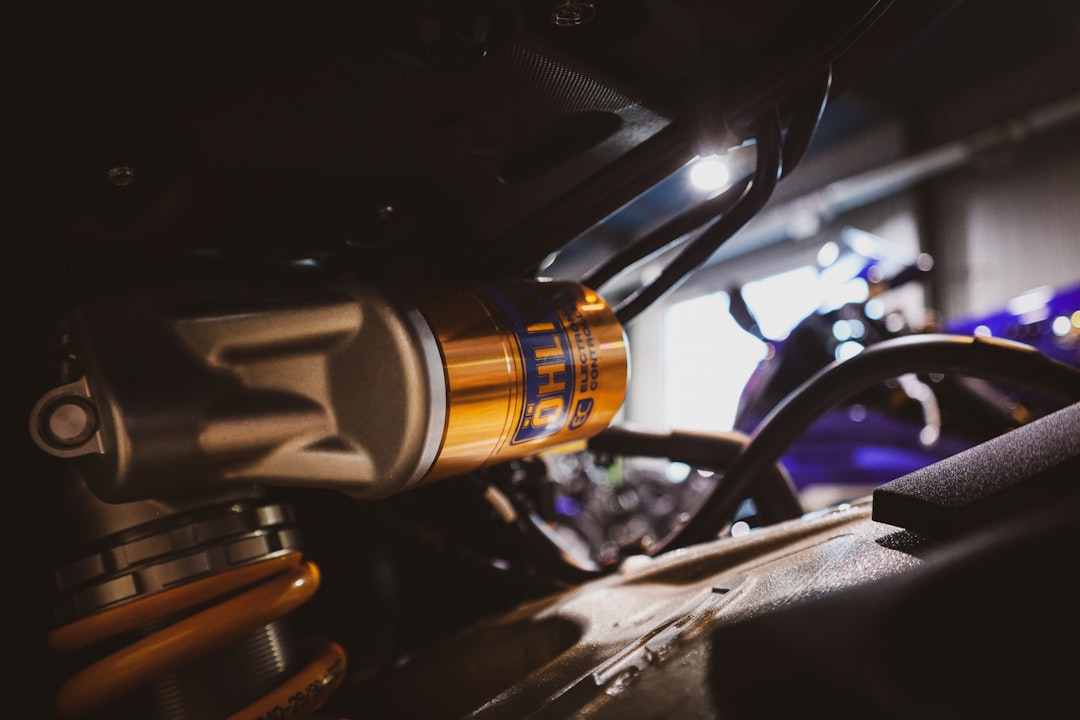
    ๊ตญ๋‚ด์—์„œ๋Š” ํ˜„๋Œ€ยท๊ธฐ์•„์ฐจ ์˜ค๋„ˆ๋“ค ์‚ฌ์ด์—์„œ ์ฝ”์ผ์˜ค๋ฒ„(Coilover) ํ‚คํŠธ ์žฅ์ฐฉ์ด ๊พธ์ค€ํžˆ ์ธ๊ธฐ์˜ˆ์š”. ์ฝ”์ผ์˜ค๋ฒ„๋ž€ ์Šคํ”„๋ง๊ณผ ๋Œํผ๊ฐ€ ํ•˜๋‚˜๋กœ ํ†ตํ•ฉ๋œ ๊ตฌ์กฐ๋กœ, ์ฐจ๊ณ ์™€ ๊ฐ์‡ ๋ ฅ์„ ๋…๋ฆฝ์ ์œผ๋กœ ์กฐ์ ˆํ•  ์ˆ˜ ์žˆ์–ด ์„ธ๋ฐ€ํ•œ ์„ธํŒ…์ด ๊ฐ€๋Šฅํ•ฉ๋‹ˆ๋‹ค. ๋‹จ, ๊ฐ€๊ฒฉ๋Œ€๊ฐ€ ์ผ๋ฐ˜ ์‡ผํฌ์—…์†Œ๋ฒ„ ๊ต์ฒด๋ณด๋‹ค ๋†’๊ฒŒ ํ˜•์„ฑ๋˜์–ด ์žˆ์–ด์š”. ๊ตญ๋‚ด ๋ธŒ๋žœ๋“œ ๊ธฐ์ค€์œผ๋กœ ์„ธํŠธ๋‹น 50๋งŒ~150๋งŒ ์›, ์ˆ˜์ž… ํ•˜์ด์—”๋“œ ์ œํ’ˆ(Ohlins, HKS ๋“ฑ)์€ 300๋งŒ ์›์„ ๋„˜๊ธฐ๋„ ํ•ฉ๋‹ˆ๋‹ค.

    coilover suspension system car ride comfort adjustment

    ๐Ÿ”ง ์Šน์ฐจ๊ฐ ๊ฐœ์„ ์„ ์œ„ํ•œ ๋‹จ๊ณ„๋ณ„ ์ ‘๊ทผ๋ฒ•

    ๋ชจ๋“  ์‚ฌ๋žŒ์ด ๊ณ ๊ฐ€์˜ ์ฝ”์ผ์˜ค๋ฒ„๋ฅผ ์žฅ์ฐฉํ•  ํ•„์š”๋Š” ์—†๋‹ค๊ณ  ์ƒ๊ฐํ•ด์š”. ์˜ˆ์‚ฐ๊ณผ ๋ชฉ์ ์— ๋”ฐ๋ผ ๋‹จ๊ณ„์ ์œผ๋กœ ์ ‘๊ทผํ•˜๋Š” ๊ฒƒ์ด ํ˜„์‹ค์ ์ธ ๋ฐฉ๋ฒ•์ธ ๊ฒƒ ๊ฐ™์Šต๋‹ˆ๋‹ค.

    • [1๋‹จ๊ณ„] ์‡ผํฌ์—…์†Œ๋ฒ„ ์ ๊ฒ€ ๋ฐ ๊ต์ฒด: ์ฃผํ–‰๊ฑฐ๋ฆฌ ์•ฝ 6๋งŒ~8๋งŒ km ์ด์ƒ์ด๋ผ๋ฉด ์ˆœ์ • ์‡ผํฌ์—…์†Œ๋ฒ„์˜ ๊ฐ์‡  ์„ฑ๋Šฅ์ด ์ €ํ•˜๋˜์–ด ์žˆ์„ ๊ฐ€๋Šฅ์„ฑ์ด ๋†’์•„์š”. ๋จผ์ € ํ˜„์žฌ ์ƒํƒœ๋ฅผ ์ ๊ฒ€ํ•˜๊ณ , ๋™์ผ ์‚ฌ์–‘์˜ ๊ณ ํ’ˆ์งˆ ์ˆœ์ • ๋˜๋Š” OEM๊ธ‰ ์ œํ’ˆ์œผ๋กœ ๊ต์ฒดํ•˜๋Š” ๊ฒƒ๋งŒ์œผ๋กœ๋„ ์ฒด๊ฐ ์Šน์ฐจ๊ฐ์ด ํฌ๊ฒŒ ๋‹ฌ๋ผ์ง€๋Š” ๊ฒฝ์šฐ๊ฐ€ ๋งŽ์Šต๋‹ˆ๋‹ค.
    • [2๋‹จ๊ณ„] ํƒ€์ด์–ด ๊ณต๊ธฐ์•• ๋ฐ ๊ทœ๊ฒฉ ํ™•์ธ: ์˜์™ธ๋กœ ๊ฐ„๊ณผํ•˜๊ธฐ ์‰ฌ์šด ๋ถ€๋ถ„์ธ๋ฐ์š”. ๊ถŒ์žฅ ๊ณต๊ธฐ์••๋ณด๋‹ค ๊ณผ๋„ํ•˜๊ฒŒ ๋„ฃ์œผ๋ฉด ๋…ธ๋ฉด ์ถฉ๊ฒฉ์ด ๊ทธ๋Œ€๋กœ ์ „๋‹ฌ๋˜๊ณ , ๋„ˆ๋ฌด ๋‚ฎ์œผ๋ฉด ํ•ธ๋“ค๋ง์ด ๋ญ‰๊ฐœ์ง‘๋‹ˆ๋‹ค. ๋˜ํ•œ ํŽธํ‰๋น„(ํƒ€์ด์–ด ์ธก๋ฉด ๋†’์ด ๋น„์œจ)๊ฐ€ ๋‚ฎ์€ ํƒ€์ด์–ด์ผ์ˆ˜๋ก ์ถฉ๊ฒฉ ํก์ˆ˜ ๋Šฅ๋ ฅ์ด ๋–จ์–ด์ง€๋ฏ€๋กœ, ์Šน์ฐจ๊ฐ ๊ฐœ์„ ์ด ๋ชฉ์ ์ด๋ผ๋ฉด ํŽธํ‰๋น„๋ฅผ 55 ์ด์ƒ์œผ๋กœ ์œ ์ง€ํ•˜๋Š” ๊ฒƒ์ด ์œ ๋ฆฌํ•ฉ๋‹ˆ๋‹ค.
    • [3๋‹จ๊ณ„] ๋ถ€์‹ฑ ๋ฐ ์Šคํƒœ๋นŒ๋ผ์ด์ € ๋งํฌ ๊ต์ฒด: ๊ณ ๋ฌด ๋ถ€์‹ฑ์ด ๋…ธํ™”๋˜๋ฉด ์ฐจ์ฒด ์ง„๋™๊ณผ ์†Œ์Œ์ด ๋Š˜์–ด๋‚˜์š”. ์ด ๋ถ€ํ’ˆ๋“ค์„ ์‹ ํ’ˆ์œผ๋กœ ๊ต์ฒดํ•˜๋Š” ๊ฒƒ๋งŒ์œผ๋กœ๋„ ์„œ์ŠคํŽœ์…˜ ์ „์ฒด๊ฐ€ ๋” ์ •ํ™•ํ•˜๊ฒŒ ์ž‘๋™ํ•˜๊ฒŒ ๋ฉ๋‹ˆ๋‹ค.
    • [4๋‹จ๊ณ„] ์ฝ”์ผ์˜ค๋ฒ„ ๋˜๋Š” ์Šคํ”„๋ง ์—…๊ทธ๋ ˆ์ด๋“œ: ๋ณธ๊ฒฉ์ ์ธ ์„ธํŒ…์„ ์›ํ•œ๋‹ค๋ฉด ์ด ๋‹จ๊ณ„๋กœ ์ง„์ž…ํ•ด์š”. ๋‹ค๋งŒ ๋ฌด์กฐ๊ฑด ๋‹จ๋‹จํ•˜๊ฒŒ ์„ธํŒ…ํ•˜๊ธฐ๋ณด๋‹ค๋Š”, ์šฉ๋„(์ผ์ƒ ์ฃผํ–‰ vs ์™€์ธ๋”ฉ ๋กœ๋“œ)์— ๋งž๋Š” ์Šคํ”„๋ง ๋ ˆ์ดํŠธ๋ฅผ ์„ ํƒํ•˜๋Š” ๊ฒƒ์ด ํ•ต์‹ฌ์ž…๋‹ˆ๋‹ค.
    • [5๋‹จ๊ณ„] ์–ผ๋ผ์ธ๋จผํŠธ(ํœ  ์–ผ๋ผ์ธ๋จผํŠธ) ์žฌ์กฐ์ •: ์„œ์ŠคํŽœ์…˜ ๊ด€๋ จ ๋ถ€ํ’ˆ์„ ๊ต์ฒดํ•œ ํ›„์—๋Š” ๋ฐ˜๋“œ์‹œ 4๋ฅœ ์–ผ๋ผ์ธ๋จผํŠธ๋ฅผ ์žฌ์ ๊ฒ€ํ•ด์•ผ ํ•ฉ๋‹ˆ๋‹ค. ์บ ๋ฒ„, ํ† ์šฐ, ์บ์Šคํ„ฐ ๊ฐ๋„๊ฐ€ ํ‹€์–ด์ ธ ์žˆ์œผ๋ฉด ํƒ€์ด์–ด ํŽธ๋งˆ๋ชจ์™€ ์ง์ง„ ์•ˆ์ •์„ฑ ์ €ํ•˜๋กœ ์ด์–ด์ง€๊ฑฐ๋“ ์š”.

    โš ๏ธ ํŠœ๋‹ ์ „ ๋ฐ˜๋“œ์‹œ ์•Œ์•„์•ผ ํ•  ๋ฒ•์  ์‚ฌํ•ญ

    ๊ตญ๋‚ด์—์„œ๋Š” ์ž๋™์ฐจ๊ด€๋ฆฌ๋ฒ•์— ๋”ฐ๋ผ ์„œ์ŠคํŽœ์…˜ ํŠœ๋‹ ์‹œ ๊ตฌ์กฐ๋ณ€๊ฒฝ ์Šน์ธ์ด ํ•„์š”ํ•œ ๊ฒฝ์šฐ๊ฐ€ ์žˆ์–ด์š”. ํŠนํžˆ ์ฐจ๊ณ ๋ฅผ 30mm ์ด์ƒ ๋‚ฎ์ถ”๊ฑฐ๋‚˜ ๋†’์ด๋Š” ๊ฒฝ์šฐ, ๋˜๋Š” ๋™์ผ ์ฐจ์ข…์— ๋งž์ง€ ์•Š๋Š” ์„œ์ŠคํŽœ์…˜ ๋ถ€ํ’ˆ์œผ๋กœ ๊ต์ฒดํ•˜๋Š” ๊ฒฝ์šฐ์—๋Š” ๊ด€ํ•  ๊ตํ†ต์•ˆ์ „๊ณต๋‹จ์—์„œ ๊ตฌ์กฐ๋ณ€๊ฒฝ ๊ฒ€์‚ฌ๋ฅผ ๋ฐ›์•„์•ผ ํ•˜๋Š” ๊ฒƒ์œผ๋กœ ์•Œ๊ณ  ์žˆ์Šต๋‹ˆ๋‹ค. 2026๋…„ ํ˜„์žฌ ๊ธฐ์ค€์œผ๋กœ๋„ ์ด ๊ทœ์ •์€ ์œ ํšจํ•˜๋‹ˆ, ํŠœ๋‹ ์ „์— ์ „๋ฌธ ์ƒต์ด๋‚˜ ๊ด€๋ จ ๊ธฐ๊ด€์— ๋ฌธ์˜ํ•ด ๋ณด์‹œ๋Š” ๊ฒƒ์„ ๊ถŒ์žฅ๋“œ๋ ค์š”.

    ์—๋””ํ„ฐ ์ฝ”๋ฉ˜ํŠธ : ์„œ์ŠคํŽœ์…˜ ํŠœ๋‹์€ “๋ฌด์กฐ๊ฑด ๋‹จ๋‹จํ•˜๊ฒŒ”๊ฐ€ ์ •๋‹ต์ด ์•„๋‹ˆ์—์š”. ๋ณธ์ธ์˜ ์ฃผํ–‰ ํ™˜๊ฒฝ๊ณผ ๋ชฉ์ ์„ ๋จผ์ € ๋ƒ‰์ •ํ•˜๊ฒŒ ํŒŒ์•…ํ•˜๋Š” ๊ฒƒ์ด ๊ฐ€์žฅ ์ค‘์š”ํ•˜๋‹ค๊ณ  ๋ด…๋‹ˆ๋‹ค. ์ผ์ƒ ์ถœํ‡ด๊ทผ์ด ์ฃผ๋ชฉ์ ์ด๋ผ๋ฉด ์ˆœ์ • ์‡ผํฌ์—…์†Œ๋ฒ„ ๊ต์ฒด์™€ ํƒ€์ด์–ด ๊ด€๋ฆฌ๋งŒ์œผ๋กœ๋„ ์Šน์ฐจ๊ฐ์ด ๋ˆˆ์— ๋„๊ฒŒ ๋‹ฌ๋ผ์งˆ ์ˆ˜ ์žˆ์–ด์š”. ๊ณ ๊ฐ€์˜ ์ฝ”์ผ์˜ค๋ฒ„๋Š” ๊ทธ ๋‹ค์Œ ์ด์•ผ๊ธฐ์ธ ๊ฒƒ ๊ฐ™์Šต๋‹ˆ๋‹ค. ์˜ˆ์‚ฐ์ด ํ•œ์ •๋˜์–ด ์žˆ๋‹ค๋ฉด 1~3๋‹จ๊ณ„๋ถ€ํ„ฐ ์ฐจ๊ทผ์ฐจ๊ทผ ์‹œ์ž‘ํ•ด ๋ณด์„ธ์š”. ํ•œ ๋ฒˆ์— ๋‹ค ๋ฐ”๊พธ์ง€ ์•Š์•„๋„, ๋‹จ๊ณ„๋งˆ๋‹ค ๋‹ฌ๋ผ์ง€๋Š” ๋А๋‚Œ์„ ์ถฉ๋ถ„ํžˆ ์ฆ๊ธธ ์ˆ˜ ์žˆ์„ ๊ฑฐ์˜ˆ์š”. ๐Ÿš—

    ํƒœ๊ทธ: [‘์„œ์ŠคํŽœ์…˜ํŠœ๋‹’, ‘์Šน์ฐจ๊ฐ๊ฐœ์„ ’, ‘์ฝ”์ผ์˜ค๋ฒ„’, ‘์ž๋™์ฐจํŠœ๋‹’, ‘์‡ผํฌ์—…์†Œ๋ฒ„๊ต์ฒด’, ‘์ž๋™์ฐจ์ •๋น„’, ‘์„œ์ŠคํŽœ์…˜์„ธํŒ…’]


    ๐Ÿ“š ๊ด€๋ จ๋œ ๋‹ค๋ฅธ ๊ธ€๋„ ์ฝ์–ด ๋ณด์„ธ์š”

  • Engine Tuning vs. Suspension Tuning: Which Upgrade Actually Transforms Your Drive in 2026?

    Picture this: you’re at a weekend track day event, watching two nearly identical sedans lap the circuit. One screams past with a roaring engine note, pushing serious horsepower numbers โ€” but it’s visibly fighting itself through every corner, the body rolling and the tires scrabbling for grip. The other car is quieter, almost humble, yet it flows through the bends with surgical precision, carrying more speed where it actually matters. That second car? It has a serious suspension tune. This moment is exactly what sparked my deep dive into one of the most debated questions in car culture today: engine tuning vs. suspension tuning โ€” which one truly changes how your car feels and performs?

    Whether you’re a weekend enthusiast, a daily driver looking for a sharper experience, or someone budgeting for their first real modification in 2026, this breakdown will help you think through the decision logically โ€” not just emotionally.

    engine tuning dyno test vs suspension coilover setup comparison

    ๐Ÿ”ง What Is Engine Tuning, Exactly?

    Engine tuning refers to modifications made to increase (or optimize) the power output and efficiency of your vehicle’s powertrain. This can range from a simple ECU remap to full bolt-on upgrades like cold air intakes, exhaust systems, intercoolers, and turbocharger upgrades.

    In 2026, with the rise of hybrid powertrains and turbocharged small-displacement engines dominating the market, engine tuning has evolved significantly. A professional ECU tune on a modern turbocharged 2.0L engine, for example, can push gains of 40โ€“80 horsepower with relatively conservative modifications โ€” sometimes without touching a single physical component.

    • ECU Remapping / Flash Tune: Software-based, typically costs $400โ€“$900. Adjusts fuel maps, boost pressure, ignition timing. Gains: 15โ€“30% power increase on turbocharged engines.
    • Intake + Exhaust Combo: Physical bolt-ons. Cost range: $800โ€“$2,500. Gains: 10โ€“25 hp on naturally aspirated engines, more on forced induction.
    • Turbocharger Upgrade: For dedicated builds. Cost: $2,000โ€“$8,000+. Can double stock power figures but requires supporting modifications (fueling, cooling, internals).
    • Hybrid Battery Tuning (2026 Trend): On modern hybrids, tuning the EV assist mapping for better throttle response is now a growing niche, especially in Asian and European markets.

    ๐ŸŽ๏ธ What Is Suspension Tuning?

    Suspension tuning is about controlling how your car’s body moves relative to its wheels โ€” managing weight transfer, body roll, ride height, and tire contact patch. It’s fundamentally about communication: how information from the road gets translated through the steering wheel and seat into your hands and back.

    The components involved include coilovers (combined spring and shock absorber units), sway bars, bushings, alignment settings (camber, caster, toe), and in advanced setups, adjustable dampers with compression and rebound tuning. A quality coilover kit in 2026 from brands like KW Suspension, Bilstein, or ร–hlins typically costs between $1,200 and $4,500, with budget-friendly options from brands like Tein or BC Racing starting around $600โ€“$900.

    • Coilover Kit: The most impactful single suspension upgrade. Adjustable ride height + spring rate. Cost: $600โ€“$4,500 depending on brand and adjustability.
    • Sway Bar Upgrade: Reduces body roll without significantly stiffening the ride. Cost: $200โ€“$600. Great value for the performance gained.
    • Alignment Tune (Corner Balance): Often overlooked but critical. A proper 4-wheel alignment after suspension work costs $100โ€“$300, yet transforms how modifications actually perform.
    • Polyurethane Bushing Replacement: Reduces flex in suspension geometry. Cost: $200โ€“$800 in parts. Improves steering precision and reduces understeer.
    • Damper Tuning (Adjustable Coilovers): For track-focused drivers, adjustable compression and rebound lets you dial in behavior for different conditions.
    coilover suspension installation corner balance alignment track day setup

    ๐Ÿ“Š The Real-World Performance Difference: Data Tells the Story

    Here’s where it gets genuinely interesting โ€” and counterintuitive for many first-time modifiers. Let’s look at a real-world scenario that mirrors what independent automotive testers have consistently documented:

    Take a stock Honda Civic Type R (2025 model, still widely driven in 2026). On a 2-mile circuit, a car with a modest ECU tune adding 40 hp ran a lap time roughly 1.8 seconds faster than stock. The same car, returned to stock power but fitted with a quality coilover setup and proper alignment? It cut 2.4 seconds off the lap time. More speed. Less power.

    Why? Because lap time โ€” and real-world driving enjoyment โ€” is governed by your ability to use the power you have. Suspension tuning increases the window in which you can apply throttle, maintain traction, and carry corner speed. More power without chassis control often just means more wheelspin, more understeer, and more frustration.

    On the flip side, for drag racing or highway acceleration, engine tuning is unambiguously king. A suspension tune does almost nothing for your 0โ€“100 km/h time if your launch is clean. This is the key distinction most car enthusiasts skip over.

    ๐ŸŒ Domestic & International Examples Worth Knowing

    In South Korea’s growing track day culture (particularly at Inje Speedium and Everland Speedway events), the community trend in 2026 clearly favors suspension-first builds among experienced drivers. Shops like Motec Korea and Speedzone Tuning consistently report that customers who start with coilovers report dramatically higher satisfaction rates than those who begin with engine work โ€” primarily because the improvement is felt immediately in everyday driving, not just at peak RPM.

    In Japan, the long-standing tradition of the “jidosha buhin” (car parts) culture reflects this wisdom well. The legendary tuning shops of Osaka’s Namba Auto district โ€” many of which have been operating since the 1990s โ€” advise newcomers to follow the hierarchy: suspension โ†’ brakes โ†’ engine. The logic is simple: build a platform that can handle power before adding it.

    In the United States, the SCCA (Sports Car Club of America) and track day communities echo the same philosophy. The popular online forum advice from experienced autocross competitors consistently states: “If you’re within your car’s limits, the problem is the driver. If your car is fighting you, the problem is the chassis. Fix the chassis first.”

    Meanwhile, in Germany โ€” home to some of the world’s most refined factory performance cars โ€” the aftermarket trend for 2026 leans toward adaptive damper calibration for daily drivers (combining ride comfort with sharper dynamics) over outright power gains, reflecting a mature market that values precision over raw numbers.

    ๐Ÿ’ก So Which Should YOU Choose? A Logical Framework

    Rather than giving you a one-size-fits-all answer, let’s think through this together based on your actual situation:

    • If you daily drive and want a noticeably better experience every single day: Suspension wins. Stiffer, more precise handling improves every corner, every lane change, every highway on-ramp โ€” not just when you’re pushing limits.
    • If you’re primarily a highway commuter with long straight stretches: Engine tuning makes more sense. The extra torque from a remap makes merging and overtaking genuinely more confident and enjoyable.
    • If you’re prepping for track days or autocross: Suspension first, always. Then brakes. Then, only once the platform is sorted, consider engine modifications.
    • If budget is tight (under $1,000): A professional ECU tune on a turbocharged car often delivers the most dramatic bang-for-buck in terms of sheer numbers. But a sway bar upgrade plus alignment is a close competitor for real-world feel.
    • If you have a naturally aspirated engine: Engine gains are expensive and modest. Suspension tuning will transform the car far more cost-effectively.
    • If you drive in a region with poor road quality (potholes, uneven surfaces): Be cautious with aggressive suspension stiffening โ€” it can increase driver fatigue and reduce traction on broken surfaces.

    โš–๏ธ The Honest Trade-Offs You Should Know

    Engine tuning trade-offs: On modern cars with strict emissions regulations tightened in 2026 (particularly in EU Euro 7 compliant vehicles), aggressive ECU tunes can trigger emissions warnings or even void regulatory compliance. Warranty implications are also significant โ€” most manufacturers will flag ECU modifications. Additionally, supporting the extra power often requires upgraded fuel systems, transmission cooling, and brakes, which cascades the cost quickly.

    Suspension tuning trade-offs: A stiffer suspension setup โ€” especially aggressive coilovers โ€” can genuinely reduce comfort on daily roads. There’s a real skill curve in finding the sweet spot between sporty and livable. Also, lowering your car without proper alignment work can accelerate tire wear significantly, turning a performance upgrade into an expensive maintenance problem.

    The realistic alternative many savvy enthusiasts are choosing in 2026? A mid-tier coilover kit + professional alignment + ECU tune as a combined package. Many tuning shops now offer bundled pricing for exactly this combination, recognizing that the two work best together โ€” chassis control and power delivery optimized simultaneously.

    Editor’s Comment : After years of watching enthusiasts agonize over this choice, my honest take is this โ€” suspension tuning is the gift that keeps giving every single day you drive, while engine tuning tends to be something you notice in specific moments. If I had $2,000 to spend in 2026, I’d put $1,400 into a quality coilover kit with a proper alignment session, and $600 into an ECU flash tune. That combination will transform how your car feels from the first mile, and you’ll still have the satisfaction of knowing your numbers improved on paper. Drive the car, not the spec sheet.

    ํƒœ๊ทธ: [‘engine tuning vs suspension tuning’, ‘car modification guide 2026’, ‘suspension upgrade tips’, ‘ECU tuning benefits’, ‘coilover setup guide’, ‘track day car preparation’, ‘performance car upgrades’]


    ๐Ÿ“š ๊ด€๋ จ๋œ ๋‹ค๋ฅธ ๊ธ€๋„ ์ฝ์–ด ๋ณด์„ธ์š”

  • ์—”์ง„ ํŠœ๋‹ vs ์„œ์ŠคํŽœ์…˜ ํŠœ๋‹ ์ฐจ์ด์  ์™„๋ฒฝ ์ •๋ฆฌ โ€“ 2026๋…„ ๋‚ด ์ฐจ์— ๋งž๋Š” ํŠœ๋‹์€?

    ์–ผ๋งˆ ์ „ ํ•œ ์ž๋™์ฐจ ์ปค๋ฎค๋‹ˆํ‹ฐ์—์„œ ์ด๋Ÿฐ ๊ธ€์„ ๋ดค์–ด์š”. “์ค‘๊ณ  ์ˆ˜์ž…์ฐจ ์ƒ€๋Š”๋ฐ ๋“œ๋ผ์ด๋น™์ด ์ข€ ๋” ์žฌ๋ฏธ์žˆ์—ˆ์œผ๋ฉด ํ•ด์„œ ํŠœ๋‹์„ ์•Œ์•„๋ณด๊ณ  ์žˆ์–ด์š”. ์—”์ง„ ํŠœ๋‹์ด๋ž‘ ์„œ์ŠคํŽœ์…˜ ํŠœ๋‹ ์ค‘์— ๋ญ๊ฐ€ ๋” ํšจ๊ณผ์ ์ธ๊ฐ€์š”?” ๋Œ“๊ธ€์ด ์ˆ˜์‹ญ ๊ฐœ๊ฐ€ ๋‹ฌ๋ ธ๋Š”๋ฐ, ์˜คํžˆ๋ ค ์˜๊ฒฌ์ด ๋„ˆ๋ฌด ๊ฐˆ๋ ค์„œ ๋” ํ˜ผ๋ž€์Šค๋Ÿฌ์›Œ์ง„ ์ƒํ™ฉ์ด์—ˆ์ฃ . ์‚ฌ์‹ค ์ด ์งˆ๋ฌธ์€ ๋‹จ์ˆœํžˆ “์–ด๋А ๊ฒŒ ๋” ๋‚ซ๋ƒ”๋กœ ๋‹ตํ•  ์ˆ˜ ์žˆ๋Š” ๊ฒŒ ์•„๋‹ˆ์—์š”. ๋‘ ํŠœ๋‹์€ ๋ชฉ์  ์ž์ฒด๊ฐ€ ๋‹ค๋ฅด๊ฑฐ๋“ ์š”. ์˜ค๋Š˜์€ ์—”์ง„ ํŠœ๋‹๊ณผ ์„œ์ŠคํŽœ์…˜ ํŠœ๋‹์˜ ์ฐจ์ด์ ์„ ์กฐ๊ธˆ ๋” ๋…ผ๋ฆฌ์ ์œผ๋กœ ํ’€์–ด๋ณด๋ ค ํ•ฉ๋‹ˆ๋‹ค.

    car engine tuning vs suspension tuning comparison

    ๐Ÿ”ง ์—”์ง„ ํŠœ๋‹์ด๋ž€? โ€“ ์ถœ๋ ฅ(Power)์„ ๊ฑด๋“œ๋ฆฌ๋Š” ์˜์—ญ

    ์—”์ง„ ํŠœ๋‹์€ ๋ง ๊ทธ๋Œ€๋กœ ์ฐจ๋Ÿ‰์˜ ๋™๋ ฅ ์„ฑ๋Šฅ์„ ํ–ฅ์ƒ์‹œํ‚ค๋Š” ์ž‘์—…์ด์—์š”. ํฌ๊ฒŒ ๋‘ ๊ฐ€์ง€ ๋ฐฉํ–ฅ์œผ๋กœ ๋‚˜๋‰œ๋‹ค๊ณ  ๋ณผ ์ˆ˜ ์žˆ์–ด์š”.

    • ECU ๋ฆฌ๋งตํ•‘(Remapping): ์—”์ง„ ์ œ์–ด ์œ ๋‹›์˜ ์—ฐ๋ฃŒ ๋ถ„์‚ฌ๋Ÿ‰, ์ ํ™” ์‹œ๊ธฐ, ๋ถ€์ŠคํŠธ ์••๋ ฅ ๋“ฑ์„ ์†Œํ”„ํŠธ์›จ์–ด์ ์œผ๋กœ ์žฌ์„ค์ •ํ•˜๋Š” ๋ฐฉ๋ฒ•์ด์—์š”. ํ„ฐ๋ณด ์ฐจ๋Ÿ‰์˜ ๊ฒฝ์šฐ ์ˆœ์ • ๋Œ€๋น„ ์•ฝ 15~30%์˜ ์ถœ๋ ฅ ํ–ฅ์ƒ์ด ๊ฐ€๋Šฅํ•˜๋‹ค๊ณ  ์•Œ๋ ค์ ธ ์žˆ์–ด์š”. ์˜ˆ๋ฅผ ๋“ค์–ด 200๋งˆ๋ ฅ ํ„ฐ๋ณด ์ฐจ๋Ÿ‰์ด ๋ฆฌ๋งต ํ›„ 240~260๋งˆ๋ ฅ ์ˆ˜์ค€์œผ๋กœ ์˜ฌ๋ผ๊ฐ€๋Š” ๊ฒฝ์šฐ๊ฐ€ ์ ์ง€ ์•Š์ฃ .
    • ํก๋ฐฐ๊ธฐ ํŠœ๋‹: ์—์–ด ์ธํ…Œ์ดํฌ(์ฝœ๋“œ์—์–ด ์ธํ…Œ์ดํฌ ๋“ฑ)์™€ ๋ฐฐ๊ธฐ ์‹œ์Šคํ…œ(๋‹ค์šดํŒŒ์ดํ”„, ์บฃ๋ฐฑ ๋ฐฐ๊ธฐ) ๊ต์ฒด๋กœ ์—”์ง„ ์ˆจํ†ต์„ ํ‹”์šฐ๋Š” ๋ฐฉ์‹์ด์—์š”. ๋‹จ๋…์œผ๋กœ๋Š” 5~10๋งˆ๋ ฅ ๋‚ด์™ธ์˜ ์ฒด๊ฐ ํšจ๊ณผ์ด์ง€๋งŒ ECU ๋ฆฌ๋งต๊ณผ ๋ณ‘ํ–‰ํ•˜๋ฉด ์‹œ๋„ˆ์ง€๊ฐ€ ๊ฝค ์ปค์š”.
    • ํ•˜๋“œ์›จ์–ด ํŠœ๋‹: ํ„ฐ๋ณด ์—…๊ทธ๋ ˆ์ด๋“œ, ์ธํ„ฐ์ฟจ๋Ÿฌ ๊ต์ฒด, ์บ ์ƒคํ”„ํŠธ ๊ต์ฒด ๋“ฑ ๋ฌผ๋ฆฌ์  ๋ถ€ํ’ˆ ๋ณ€๊ฒฝ์œผ๋กœ ๋” ํฐ ํญ์˜ ์ถœ๋ ฅ ํ–ฅ์ƒ์„ ๋…ธ๋ฆฌ๋Š” ๋ฐฉ์‹์ด์—์š”. ๋น„์šฉ์ด ํฌ๊ฒŒ ์˜ฌ๋ผ๊ฐ€๊ณ  ๋‚ด๊ตฌ์„ฑ ๋ฌธ์ œ๋„ ๊ณ ๋ คํ•ด์•ผ ํ•ด์š”.

    ์—”์ง„ ํŠœ๋‹์˜ ํ•ต์‹ฌ ์ง€ํ‘œ๋Š” ๋งˆ๋ ฅ(HP/PS)๊ณผ ํ† ํฌ(Nm)์˜ˆ์š”. 2026๋…„ ํ˜„์žฌ ๊ตญ๋‚ด์—์„œ ์ธ๊ธฐ ์žˆ๋Š” ํ˜„๋Œ€ ์•„๋ฐ˜๋–ผ N์„ ๊ธฐ์ค€์œผ๋กœ ๋ณด๋ฉด, ์ˆœ์ • 280๋งˆ๋ ฅ์—์„œ ECU ๋ฆฌ๋งต + ํก๋ฐฐ๊ธฐ ์กฐํ•ฉ์œผ๋กœ 310~330๋งˆ๋ ฅ ์ˆ˜์ค€๊นŒ์ง€ ์˜ฌ๋ฆฌ๋Š” ์‚ฌ๋ก€๊ฐ€ ์ผ๋ฐ˜์ ์ด๋ผ๊ณ  ๋ด…๋‹ˆ๋‹ค.

    ๐Ÿš— ์„œ์ŠคํŽœ์…˜ ํŠœ๋‹์ด๋ž€? โ€“ ํ•ธ๋“ค๋ง(Handling)์„ ๊ฑด๋“œ๋ฆฌ๋Š” ์˜์—ญ

    ์„œ์ŠคํŽœ์…˜ ํŠœ๋‹์€ ์ฐจ์ฒด์™€ ๋ฐ”ํ€ด ์‚ฌ์ด์˜ ์—ฐ๊ฒฐ ๊ตฌ์กฐ๋ฅผ ์ตœ์ ํ™”ํ•ด ์ฝ”๋„ˆ๋ง, ์Šน์ฐจ๊ฐ, ์ฐจ์ฒด ๊ฑฐ๋™์„ ๊ฐœ์„ ํ•˜๋Š” ์ž‘์—…์ด์—์š”. ์ถœ๋ ฅ๊ณผ๋Š” ์ง์ ‘์ ์ธ ๊ด€๋ จ์ด ์—†์ง€๋งŒ, ์‹ค์ œ ๋“œ๋ผ์ด๋น™์—์„œ ๋А๋ผ๋Š” ‘์ฒด๊ฐ ์žฌ๋ฏธ’์— ๊ฐ€์žฅ ํฐ ์˜ํ–ฅ์„ ์ค€๋‹ค๊ณ  ๋ผ๊ณ  ๋ด…๋‹ˆ๋‹ค.

    • ๋‹ค์šด์Šคํ”„๋ง(Lowering Spring): ์ˆœ์ • ์‡ผํฌ์—…์†Œ๋ฒ„์— ์งง์€ ์Šคํ”„๋ง์„ ๋ผ์›Œ ์ฐจ๊ณ ๋ฅผ ๋‚ฎ์ถ”๋Š” ๋ฐฉ๋ฒ•์ด์—์š”. ๋น„๊ต์  ์ €๋ ดํ•˜๊ณ (์•ฝ 20~50๋งŒ ์›๋Œ€) ๋ฌด๊ฒŒ์ค‘์‹ฌ์ด ๋‚ฎ์•„์ง€๋ฉด์„œ ์ฝ”๋„ˆ๋ง ์•ˆ์ •์„ฑ์ด ๊ฐœ์„ ๋ผ์š”. ๋‹จ, ์ˆœ์ • ๋Œํผ์™€ ๊ถํ•ฉ์ด ์•ˆ ๋งž์„ ๊ฒฝ์šฐ ์Šน์ฐจ๊ฐ์ด ์˜คํžˆ๋ ค ๋‚˜๋น ์งˆ ์ˆ˜ ์žˆ์–ด์š”.
    • ์ฝ”์ผ์˜ค๋ฒ„(Coilover): ์Šคํ”„๋ง๊ณผ ๋Œํผ๊ฐ€ ์ผ์ฒดํ˜•์ธ ์„œ์ŠคํŽœ์…˜ ์„ธํŠธ๋กœ, ์ฐจ๊ณ  ์กฐ์ ˆ๊ณผ ๋Œํ•‘ ๊ฐ•๋„ ์กฐ์ ˆ์ด ๋™์‹œ์— ๊ฐ€๋Šฅํ•ด์š”. ์ž…๋ฌธํ˜• ์ฝ”์ผ์˜ค๋ฒ„๋Š” ์•ฝ 80~200๋งŒ ์›, ํผํฌ๋จผ์Šค๊ธ‰(KW, Bilstein, ร–hlins ๋“ฑ)์€ 300๋งŒ ์› ์ด์ƒ์„ ํ˜ธ๊ฐ€ํ•˜์ฃ . ์ฐจ์ฒด ๋กค(Roll)์„ ์ˆœ์ • ๋Œ€๋น„ 20~40% ์ค„์—ฌ์ค€๋‹ค๋Š” ๋ฐ์ดํ„ฐ๊ฐ€ ์žˆ์–ด์š”.
    • ์Šคํƒœ๋นŒ๋ผ์ด์ € ๋ฐ”(Sway Bar) ์—…๊ทธ๋ ˆ์ด๋“œ: ์ฝ”๋„ˆ๋ง ์‹œ ์ขŒ์šฐ ์ฐจ์ฒด ๊ธฐ์šธ๊ธฐ๋ฅผ ์žก์•„์ฃผ๋Š” ์žฅ์น˜๋กœ, ์•ž/๋’ค ์Šคํƒœ๋นŒ๋ผ์ด์ € ๊ต์ฒด๋งŒ์œผ๋กœ๋„ ์ฝ”๋„ˆ ์ง„์ž… ์•ˆ์ •๊ฐ์ด ๋ˆˆ์— ๋„๊ฒŒ ๋‹ฌ๋ผ์ ธ์š”.
    • ์–ผ๋ผ์ด๋จผํŠธ ์„ธํŒ…: ํŠœ๋‹ ๋ถ€ํ’ˆ ๊ต์ฒด ์—†์ด๋„ ์บ ๋ฒ„(Camber), ํ† (Toe), ์บ์Šคํ„ฐ(Caster) ๊ฐ’ ์กฐ์ •๋งŒ์œผ๋กœ ํ•ธ๋“ค๋ง ํŠน์„ฑ์„ ๋ฐ”๊ฟ€ ์ˆ˜ ์žˆ์–ด์š”. ์„œํ‚ท ์ง€ํ–ฅ ์„ธํŒ…์ด๋ผ๋ฉด ํ”„๋ก ํŠธ ์บ ๋ฒ„๋ฅผ -1.5ยฐ ~ -2.5ยฐ ์ •๋„๋กœ ๊ฐ€์ ธ๊ฐ€๋Š” ๊ฒฝ์šฐ๋„ ๋งŽ์•„์š”.
    coilover suspension upgrade car handling

    ๐Ÿ“Š ํ•ต์‹ฌ ์ฐจ์ด์  ๋น„๊ต โ€“ ์ˆ˜์น˜๋กœ ๋ณด๋Š” ๋‘ ํŠœ๋‹

    ๋‘ ํŠœ๋‹์˜ ์ฐจ์ด๋ฅผ ์ง๊ด€์ ์œผ๋กœ ์ •๋ฆฌํ•˜๋ฉด ์•„๋ž˜์™€ ๊ฐ™์•„์š”.

    • ๋ชฉ์ : ์—”์ง„ ํŠœ๋‹ โ†’ ์ง์„  ๊ฐ€์† / ์„œ์ŠคํŽœ์…˜ ํŠœ๋‹ โ†’ ์ฝ”๋„ˆ๋งยท์•ˆ์ •์„ฑ
    • ์ฒด๊ฐ ์˜์—ญ: ์—”์ง„ ํŠœ๋‹ โ†’ 0-100km/h ๊ฐ€์†, ์ถ”์›” ๋Šฅ๋ ฅ / ์„œ์ŠคํŽœ์…˜ ํŠœ๋‹ โ†’ ํ•ธ๋“ค ์‘๋‹ต์„ฑ, ์ฐจ์ฒด ๋กค, ์Šน์ฐจ๊ฐ
    • ๋น„์šฉ ๋ฒ”์œ„(2026๋…„ ๊ธฐ์ค€ ๊ตญ๋‚ด): ECU ๋ฆฌ๋งต ๋‹จ๋… 30~80๋งŒ ์› / ์ฝ”์ผ์˜ค๋ฒ„ ํ’€์„ธํŠธ 80~400๋งŒ ์›+
    • ๋ถ€์ž‘์šฉ ๋ฆฌ์Šคํฌ: ์—”์ง„ ํŠœ๋‹ โ†’ ์—”์ง„ ๋‚ด๊ตฌ์„ฑ ๋‹จ์ถ•, ๋ณด์ฆ ๋ฌดํšจํ™” ๊ฐ€๋Šฅ / ์„œ์ŠคํŽœ์…˜ ํŠœ๋‹ โ†’ ์Šน์ฐจ๊ฐ ์•…ํ™”, ํƒ€์ด์–ด ํŽธ๋งˆ๋ชจ
    • ๋ฒ•์  ์ด์Šˆ: ๊ตญ๋‚ด ๋„๋กœ๊ตํ†ต๋ฒ•์ƒ ECU ๋ฆฌ๋งต์€ ‘๋ถˆ๋ฒ• ๊ตฌ์กฐ๋ณ€๊ฒฝ’์— ํ•ด๋‹นํ•  ์ˆ˜ ์žˆ์–ด ์ฃผ์˜๊ฐ€ ํ•„์š”ํ•ด์š”. ์„œ์ŠคํŽœ์…˜์€ ์ฐจ๊ณ  ๋ณ€๊ฒฝ ๋ฒ”์œ„์— ๋”ฐ๋ผ ์ž๋™์ฐจ ๊ฒ€์‚ฌ ๊ธฐ์ค€(ยฑ4cm ์ด๋‚ด)์— ๊ฑธ๋ฆด ์ˆ˜ ์žˆ์–ด์š”.

    ๐ŸŒ ๊ตญ๋‚ด์™ธ ์‚ฌ๋ก€๋กœ ๋ณด๋Š” ํŠธ๋ Œ๋“œ

    ๋…์ผ์˜ ํŠœ๋‹ ์ „๋ฌธ ๋ธŒ๋žœ๋“œ ABT Sportsline๊ณผ Hartmann Tuning์€ ํญ์Šค๋ฐ”๊ฒยท์•„์šฐ๋”” ๊ณ„์—ด ์ฐจ๋Ÿ‰์— ECU ๋ฆฌ๋งต๊ณผ ์„œ์ŠคํŽœ์…˜ ํŒจํ‚ค์ง€๋ฅผ ํ•จ๊ป˜ ์ œ๊ณตํ•˜๋Š” ๋ฐฉ์‹์ด ๋Œ€์„ธ์ธ ๊ฒƒ ๊ฐ™์•„์š”. ๋‹จ์ˆœํžˆ ๋งˆ๋ ฅ๋งŒ ์˜ฌ๋ฆฌ๋ฉด “ํž˜์€ ์žˆ๋Š”๋ฐ ํ•ธ๋“ค์ด ๋ชป ๋ฐ›์ณ์ค€๋‹ค”๋Š” ๋ฌธ์ œ๊ฐ€ ์ƒ๊ธฐ๊ธฐ ๋•Œ๋ฌธ์ด์—์š”. ์ด๋ฅผ ์—…๊ณ„์—์„œ๋Š” ‘ํŒŒ์›Œ ํˆฌ ํ•ธ๋“ค๋ง ๋ฐธ๋Ÿฐ์Šค’๋ผ๊ณ  ๋ถ€๋ฅด๊ธฐ๋„ ํ•ด์š”.

    ๊ตญ๋‚ด์—์„œ๋„ ๋น„์Šทํ•œ ํ๋ฆ„์ด ๋ณด์—ฌ์š”. 2026๋…„ ๊ธฐ์ค€ ๊ตญ๋‚ด ์ตœ๋Œ€ ์ž๋™์ฐจ ํŠœ๋‹ ํด๋Ÿฝ ์ปค๋ฎค๋‹ˆํ‹ฐ๋“ค์˜ ์ธ๊ธฐ ๊ฒŒ์‹œ๋ฌผ์„ ๋ณด๋ฉด, “๋ฆฌ๋งต ๋จผ์ € ํ•˜๊ณ  ์„œ์ŠคํŽœ์…˜ ๋‚˜์ค‘์—” ์ˆœ์„œ๋กœ ์ง„ํ–‰ํ•˜๋Š” ๋ถ„๋“ค์ด ๋งŽ์€๋ฐ, ์‹ค์ œ ๊ฒฝํ—˜์ž ํ›„๊ธฐ๋ฅผ ๋ณด๋ฉด “์„œ์ŠคํŽœ์…˜ ๋จผ์ € ์„ธํŒ…ํ•˜๊ณ  ๋‚˜์„œ ์—”์ง„ ํŠœ๋‹์„ ํ–ˆ๋”๋‹ˆ ํ›จ์”ฌ ๋“œ๋ผ์ด๋น™์ด ์ž์—ฐ์Šค๋Ÿฌ์› ๋‹ค”๋Š” ์˜๊ฒฌ๋„ ์ƒ๋‹นํžˆ ๋งŽ์ด ๋ณด์ž…๋‹ˆ๋‹ค.

    ์ผ๋ณธ์˜ ๊ฒฝ์šฐ HKS, TEIN, Cusco ๊ฐ™์€ ์„œ์ŠคํŽœ์…˜ ๋ธŒ๋žœ๋“œ๊ฐ€ ์˜ค๋žซ๋™์•ˆ ๊ฐ•์„ธ์ธ๋ฐ, ์ผ๋ณธ ๋“œ๋ผ์ด๋ฒ„ ๋ฌธํ™” ํŠน์„ฑ์ƒ ‘์ •๊ตํ•œ ํ•ธ๋“ค๋ง’์„ ๋จผ์ € ์ฑ™๊ธฐ๋Š” ๊ฒฝํ–ฅ์ด ์žˆ๋‹ค๊ณ  ๋ผ๊ณ  ๋ด…๋‹ˆ๋‹ค. ๋ฐ˜๋ฉด ๋ฏธ๊ตญ ์‹œ์žฅ์€ ์ง์„  ๊ฐ€์†์— ์ง‘์ค‘ํ•œ ์—”์ง„ ํŠœ๋‹ ๋ฌธํ™”(๋จธ์Šฌ์นด DNA)๊ฐ€ ์—ฌ์ „ํžˆ ๊ฐ•ํ•˜๊ฒŒ ๋‚จ์•„์žˆ์–ด์š”.

    โœ… ๋‚ด ์ฐจ์—๋Š” ๋ญ๊ฐ€ ๋งž์„๊นŒ? โ€“ ํ˜„์‹ค์  ๋Œ€์•ˆ ์ œ์‹œ

    ์‚ฌ์‹ค “๋‘˜ ์ค‘ ๋ญ๊ฐ€ ๋” ์ข‹๋ƒ”๋Š” ์งˆ๋ฌธ๋ณด๋‹ค๋Š” “๋‚˜๋Š” ์–ด๋–ค ๋“œ๋ผ์ด๋น™์„ ์›ํ•˜๋ƒ”๊ฐ€ ๋จผ์ €๋ผ๊ณ  ์ƒ๊ฐํ•ด์š”.

    • ๋„์‹ฌ ์ผ์ƒ ์ฃผํ–‰ + ๊ฐ„ํ—์  ๊ณ ์†๋„๋กœ: ์„œ์ŠคํŽœ์…˜ ํŠœ๋‹(๋‹ค์šด์Šคํ”„๋ง or ์ž…๋ฌธ ์ฝ”์ผ์˜ค๋ฒ„)์ด ๋” ์ฒด๊ฐ ๋งŒ์กฑ๋„๊ฐ€ ๋†’์„ ์ธ ๊ฒƒ ๊ฐ™์•„์š”. ์ผ์ƒ์—์„œ ์ฝ”๋„ˆ๋ง์˜ ์•ˆ์ •๊ฐ๊ณผ ํ•ธ๋“ค ์‘๋‹ต์„ฑ ์ฐจ์ด๊ฐ€ ํ›จ์”ฌ ์ž์ฃผ ๋А๊ปด์ง€๊ฑฐ๋“ ์š”.
    • ์ถ”์›”ยท๊ฐ€์† ์พŒ๊ฐ์ด ๋ชฉ์ : ECU ๋ฆฌ๋งต + ํก๋ฐฐ๊ธฐ ์กฐํ•ฉ์ด ๊ฐ€์„ฑ๋น„ ๋ฉด์—์„œ ์ข‹์€ ์„ ํƒ์ด์—์š”. ๋‹จ, ๋ณด์ฆ ์ด์Šˆ์™€ ์—ฐ๋น„ ๋ณ€ํ™”(ํ‰๊ท  5~15% ์—ฐ๋น„ ์ €ํ•˜ ๊ฐ€๋Šฅ)๋ฅผ ๊ฐ์ˆ˜ํ•ด์•ผ ํ•ด์š”.
    • ์„œํ‚ทยทํด๋Ÿฝ ์ฃผํ–‰ ๋ชฉ์ : ๋‘ ๊ฐ€์ง€๋ฅผ ๋ชจ๋‘ ํ•ด์•ผ ํ•œ๋‹ค๊ณ  ๋ด์š”. ๊ทธ๋ฆฌ๊ณ  ์ˆœ์„œ๋Š” ์„œ์ŠคํŽœ์…˜ ์„ธํŒ… โ†’ ์–ผ๋ผ์ด๋จผํŠธ ์ตœ์ ํ™” โ†’ ์—”์ง„ ์ถœ๋ ฅ ํ–ฅ์ƒ ์ˆœ์„œ๊ฐ€ ์•ˆ์ „ํ•˜๊ณ  ํšจ๊ณผ์ ์ธ ๊ฒƒ ๊ฐ™์•„์š”.
    • ์˜ˆ์‚ฐ์ด ํ•œ์ •์ ์ด๋ผ๋ฉด: ์–ผ๋ผ์ด๋จผํŠธ ์„ธํŒ… + ํƒ€์ด์–ด ์—…๊ทธ๋ ˆ์ด๋“œ๋งŒ์œผ๋กœ๋„ ํ•ธ๋“ค๋ง ์ฒด๊ฐ์€ ์ƒ๊ฐ๋ณด๋‹ค ํฌ๊ฒŒ ๋‹ฌ๋ผ์ ธ์š”. 100๋งŒ ์› ์ดํ•˜ ์˜ˆ์‚ฐ์ด๋ผ๋ฉด ์ด ์กฐํ•ฉ์ด ๊ฐ€์žฅ ํ˜„์‹ค์ ์ธ ๋Œ€์•ˆ์ด๋ผ๊ณ  ๋ผ๊ณ  ๋ด…๋‹ˆ๋‹ค.

    ์—๋””ํ„ฐ ์ฝ”๋ฉ˜ํŠธ : ํŠœ๋‹์€ ๊ฒฐ๊ตญ ‘๋ฐธ๋Ÿฐ์Šค’์˜ ์˜ˆ์ˆ ์ธ ๊ฒƒ ๊ฐ™์•„์š”. ๋งˆ๋ ฅ๋งŒ ์˜ฌ๋ฆฌ๋ฉด ํ•ธ๋“ค๋ง์ด ๋”ฐ๋ผ์˜ค์งˆ ๋ชปํ•˜๊ณ , ์„œ์ŠคํŽœ์…˜๋งŒ ๋”ฑ๋”ฑํ•˜๊ฒŒ ์„ธํŒ…ํ•ด ๋†“์œผ๋ฉด ์ถœ๋ ฅ์ด ์•„์‰ฝ๊ณ . ๋‘ ํŠœ๋‹์˜ ์ฐจ์ด์ ์„ ์ œ๋Œ€๋กœ ์ดํ•ดํ•˜๊ณ  ๋‚˜๋ฉด, ๋‚ด๊ฐ€ ์ •๋ง ์›ํ•˜๋Š” ๋“œ๋ผ์ด๋น™ ๊ฒฝํ—˜์ด ๋ฌด์—‡์ธ์ง€ ํ›จ์”ฌ ๋ช…ํ™•ํ•˜๊ฒŒ ๋ณด์ผ ๊ฑฐ์˜ˆ์š”. ํŠœ๋‹์ˆ์—์„œ ์ƒ๋‹ด๋ฐ›๊ธฐ ์ „์— “๋‚˜๋Š” ์–ด๋–ค ์ฃผํ–‰์„ ์›ํ•˜๋Š”๊ฐ€”๋ผ๋Š” ์งˆ๋ฌธ์„ ์Šค์Šค๋กœ ํ•œ ๋ฒˆ ๋˜์ ธ๋ณด์‹œ๊ธธ ๊ถŒํ•ด๋“œ๋ ค์š”. ๊ทธ ๋‹ต์ด ๊ณง ์—ฌ๋Ÿฌ๋ถ„์˜ ํŠœ๋‹ ๋ฐฉํ–ฅ์ด ๋  ํ…Œ๋‹ˆ๊นŒ์š”. ๐Ÿš€

    ํƒœ๊ทธ: [‘์—”์ง„ํŠœ๋‹’, ‘์„œ์ŠคํŽœ์…˜ํŠœ๋‹’, ‘์ž๋™์ฐจํŠœ๋‹’, ‘ECU๋ฆฌ๋งตํ•‘’, ‘์ฝ”์ผ์˜ค๋ฒ„’, ‘ํŠœ๋‹์ฐจ์ด์ ’, ‘๋“œ๋ผ์ด๋น™ํผํฌ๋จผ์Šค’]


    ๐Ÿ“š ๊ด€๋ จ๋œ ๋‹ค๋ฅธ ๊ธ€๋„ ์ฝ์–ด ๋ณด์„ธ์š”

  • Brake Pad Types Compared: Which One Is Actually Right for Your Car in 2026?

    Picture this: you’re cruising down the highway, music playing, when suddenly traffic grinds to a halt. You press the brake pedal โ€” and the car stops smoothly, confidently, without drama. Now imagine the opposite. That moment of doubt is exactly why brake pads deserve far more attention than most drivers give them. I’ve spent years driving everything from daily commuters to weekend track cars, and honestly, choosing the wrong brake pad is one of the most common โ€” and most overlooked โ€” mistakes car owners make.

    So let’s think through this together. What are the real differences between brake pad types, and which one actually makes sense for your driving life in 2026?

    car brake pad types comparison close-up automotive

    ๐Ÿ”ฉ The Four Main Types of Brake Pads โ€” A Data-Driven Breakdown

    Brake pads fall into four primary categories, each with distinct material compositions that directly affect performance, longevity, noise levels, and price. Here’s how they actually stack up:

    1. Organic (Non-Asbestos Organic / NAO) Brake Pads

    Made from a mixture of fibers like rubber, glass, carbon, and Kevlar bound together with resin, organic pads are the most common OEM (original equipment manufacturer) choice worldwide.

    • Pros: Quiet operation, gentle on rotors, low dust, affordable (typically $20โ€“$60 per axle set in 2026)
    • Cons: Fade under high heat, wear out faster (typically 25,000โ€“35,000 miles), not ideal for aggressive driving
    • Best for: Light city driving, economy vehicles, drivers who prioritize comfort over performance

    2. Semi-Metallic Brake Pads

    Containing 30โ€“65% metal content (steel wool, iron powder, copper), semi-metallic pads dominate the performance aftermarket. Brands like Akebono (Japanese) and EBC Brakes (UK) have made semi-metallic formulas their bread and butter for decades.

    • Pros: Excellent heat dissipation, strong bite at a wide temperature range, longer lifespan (35,000โ€“50,000 miles)
    • Cons: Noisier, produces more brake dust, slightly harder on rotors, less effective when cold (first few stops of the day)
    • Best for: Drivers who haul loads, tow trailers, or enjoy spirited highway driving

    3. Ceramic Brake Pads

    Introduced in the 1980s and refined dramatically by 2026, ceramic pads use dense ceramic fibers and bonding agents. The 2026 generation ceramics from brands like Wagner ThermoQuiet and Brembo’s street-ceramic line now offer significantly improved cold-bite performance compared to older iterations.

    • Pros: Ultra-quiet, minimal dust, consistent performance across temperature ranges, rotor-friendly
    • Cons: Higher cost ($80โ€“$150 per axle), not suitable for track use, less aggressive initial bite compared to semi-metallic
    • Best for: Premium daily drivers, SUV owners, anyone who hates cleaning dusty wheels

    4. Low-Metallic NAO Pads

    A hybrid of organic and metallic, containing 10โ€“30% metal, these pads bridge the gap between comfort and performance. They’re commonly found as OEM replacements on European vehicles like BMW and Mercedes-Benz.

    • Pros: Better heat transfer than pure organic, decent stopping power
    • Cons: More dust and noise than full ceramics, moderate rotor wear
    • Best for: European car owners replacing OEM pads like-for-like
    ceramic vs semi-metallic brake pad dust rotor wear comparison

    ๐ŸŒ Real-World Examples From Around the Globe

    In South Korea, Hyundai’s official service centers have shifted toward recommending ceramic pads for their Ioniq 6 and Kona Electric models in 2026 โ€” largely because regenerative braking means friction brakes are used less frequently, making thermal performance less critical but noise and dust far more noticeable to owners. Meanwhile in Germany, Volkswagen’s dealer network continues defaulting to low-metallic NAO pads across its Golf and Tiguan lineups, favoring the robust rotor compatibility with European-spec rotors.

    On the performance side, American tuning communities โ€” particularly around the Mustang GT and Corvette C8 scene โ€” have overwhelmingly moved toward semi-metallic or dedicated track compounds like Hawk HPS 5.0 or Stoptech Sport pads, where the added noise is considered completely acceptable in exchange for consistent fade resistance during canyon runs or autocross events.

    ๐Ÿ“Š Quick Comparison at a Glance

    • Organic: Quiet โœ… | Cheap โœ… | Long-lasting โŒ | High heat โŒ
    • Semi-Metallic: Quiet โŒ | Cheap โœ… | Long-lasting โœ… | High heat โœ…
    • Ceramic: Quiet โœ… | Cheap โŒ | Long-lasting โœ… | High heat โš ๏ธ (street only)
    • Low-Metallic NAO: Quiet โš ๏ธ | Cheap โš ๏ธ | Long-lasting โš ๏ธ | High heat โš ๏ธ

    ๐Ÿ’ก Realistic Alternatives Based on Your Situation

    Here’s where I want to get practical with you, because not every driver fits neatly into one category:

    • If you drive an EV or hybrid: Go ceramic. Your brake pads will see irregular use due to regenerative braking, and the last thing you want is squealing pads every time you touch them lightly.
    • If you tow or drive a truck/SUV: Semi-metallic is your friend. The heat management under load is genuinely superior, and rotor wear is manageable with proper maintenance intervals.
    • If you’re on a tight budget but still want reliability: A quality organic pad from a reputable brand (Bosch QuietCast, for example) at $30โ€“$45 will serve a gentle city commuter well. Don’t let premium marketing pressure you into spending more than you need to.
    • If you do any track days or aggressive mountain driving: Skip the ceramics entirely and invest in a dedicated performance semi-metallic or a purpose-built track compound. Ceramics can glaze and lose bite under sustained high-heat conditions.

    The bottom line? There is no universally “best” brake pad โ€” only the best one for how and where you actually drive. Think about your typical week behind the wheel, your vehicle type, and your tolerance for noise and maintenance costs. That mental exercise will get you to the right answer faster than any spec sheet.

    Editor’s Comment : After testing pads across multiple vehicles and climate zones, the one thing I keep coming back to is this โ€” the gap between cheap and quality within the same category is far more important than the gap between categories. A premium organic pad will outperform a discount semi-metallic every single time. Don’t just pick the type; pick a reputable brand within that type, and you’ll genuinely feel the difference the first time you need to stop in a hurry.

    ํƒœ๊ทธ: [‘brake pad types 2026’, ‘ceramic vs semi-metallic brake pads’, ‘best brake pads for daily driving’, ‘car brake pad comparison’, ‘automotive braking performance’, ‘EV brake pad recommendation’, ‘brake pad buying guide’]


    ๐Ÿ“š ๊ด€๋ จ๋œ ๋‹ค๋ฅธ ๊ธ€๋„ ์ฝ์–ด ๋ณด์„ธ์š”

  • ์ž๋™์ฐจ ๋ธŒ๋ ˆ์ดํฌ ํŒจ๋“œ ์ข…๋ฅ˜๋ณ„ ์žฅ๋‹จ์  ์™„๋ฒฝ ๋ฆฌ๋ทฐ (2026๋…„ ์ตœ์‹  ๊ฐ€์ด๋“œ)

    ์ž๋™์ฐจ ๋ธŒ๋ ˆ์ดํฌ ํŒจ๋“œ ์ข…๋ฅ˜๋ณ„ ์žฅ๋‹จ์  ์™„๋ฒฝ ๋ฆฌ๋ทฐ (2026๋…„ ์ตœ์‹  ๊ฐ€์ด๋“œ)

    ์–ผ๋งˆ ์ „, ์ง€์ธ์ด ์ค‘๊ณ ์ฐจ๋ฅผ ๊ตฌ์ž…ํ•˜๊ณ  ๋‚˜์„œ ๋ธŒ๋ ˆ์ดํฌ๋ฅผ ๋ฐŸ์„ ๋•Œ๋งˆ๋‹ค ‘๋ผ์ต’ ํ•˜๋Š” ์†Œ๋ฆฌ๊ฐ€ ๋‚œ๋‹ค๋ฉฐ ๊ฑฑ์ •์Šค๋Ÿฝ๊ฒŒ ์—ฐ๋ฝ์„ ํ•ด์™”์–ด์š”. ์ ๊ฒ€์„ ๋ฐ›์œผ๋Ÿฌ ๊ฐ”๋”๋‹ˆ ์ •๋น„์‚ฌ ๋ถ„์ด “ํŒจ๋“œ๊ฐ€ ๊ฑฐ์˜ ๋‹ค ๋‹ณ์•˜๋„ค์š”. ์–ด๋–ค ํŒจ๋“œ๋กœ ๊ต์ฒดํ• ๊นŒ์š”?\

    ํƒœ๊ทธ: []


    ๐Ÿ“š ๊ด€๋ จ๋œ ๋‹ค๋ฅธ ๊ธ€๋„ ์ฝ์–ด ๋ณด์„ธ์š”