Author: likevinci

  • 2026 Electric Vehicle New Models: A Deep-Dive Performance Comparison Review You Actually Need

    Let me take you back to a conversation I had at a charging station last month. A guy named Marcus was staring at his phone, paralyzed by choice — he’d narrowed it down to three new 2026 EV models but couldn’t figure out which one actually performed better in real-world conditions versus the spec sheet. Sound familiar? That’s exactly why we’re doing this. Because in 2026, the EV market isn’t just growing — it’s exploding with nuance, and the differences between top models are subtle but financially significant.

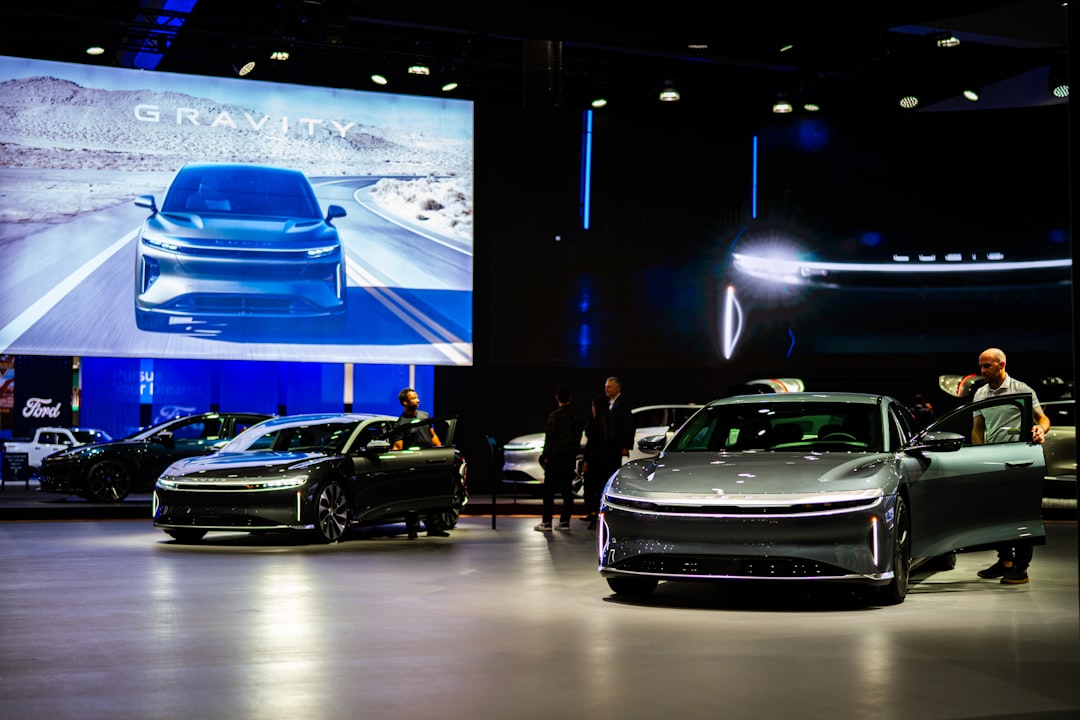
    2026 electric vehicles lineup comparison charging station modern

    Why 2026 Is a Turning Point for EV Performance

    This year marks a genuine inflection point. Solid-state battery technology has moved from “lab curiosity” to “early commercial deployment,” and several manufacturers are using semi-solid-state cells in their flagship 2026 models. This matters because traditional lithium-ion batteries degrade faster in cold climates and lose up to 30-40% range in sub-zero temperatures. The 2026 generation is narrowing that gap significantly — we’re talking about 10-15% cold-weather efficiency improvements across the board.

    Head-to-Head: The Top 2026 EV Contenders

    Let’s break down the four models generating the most buzz right now and what their numbers actually mean for your daily life.

    Tesla Model Y Long Range (2026 Refresh): The updated 2026 Model Y ships with a 82 kWh usable battery, delivering an EPA-estimated range of 358 miles. Its 250 kW peak charging speed means you’re adding roughly 170 miles in 15 minutes on a V4 Supercharger. The real-world highway range (at 75 mph) clocks in around 298 miles — about a 17% drop from EPA estimates, which is actually better than the industry average gap of 20-25%.

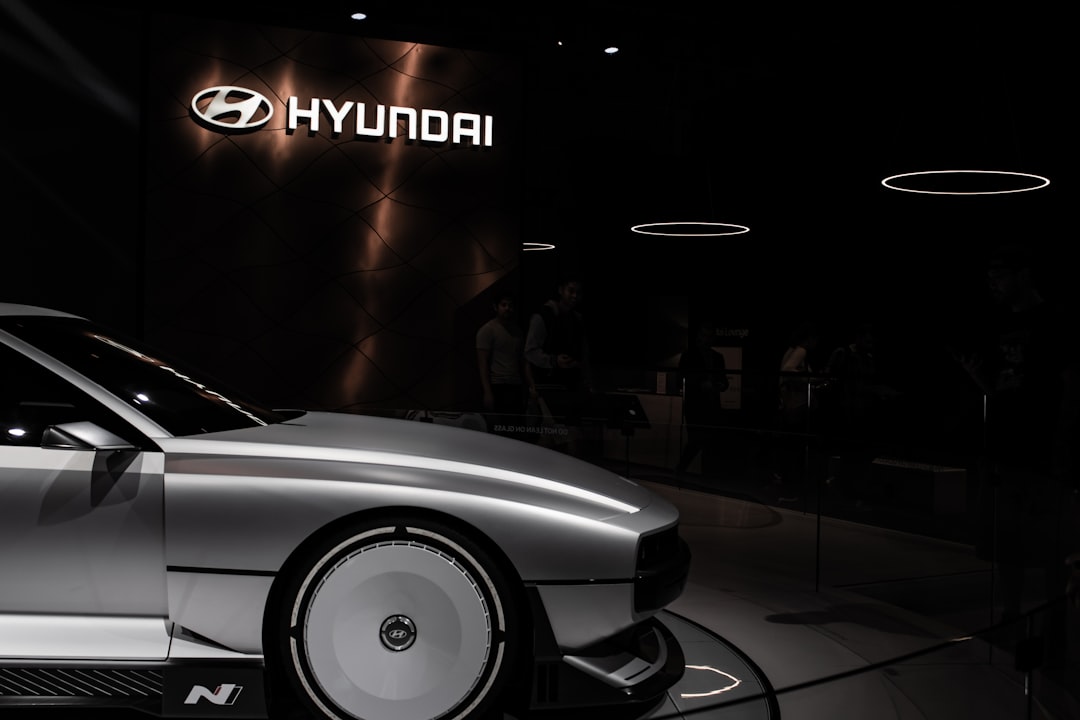
    Hyundai IONIQ 9 (Global Launch 2026): Hyundai’s flagship three-row SUV arrives globally this year packing an 110 kWh battery with 350-mile EPA range. What’s impressive is its 800V architecture enabling 350 kW peak DC fast charging — that’s 100 miles of range in under 6 minutes under ideal conditions. For families doing road trips, this is a game-changer. Korean domestic reviewers have noted that the IONIQ 9 maintains roughly 89% of its rated range at highway speeds, making it arguably the most honest-range EV in its class.

    BMW iX3 M Sport (2026 Generation): BMW’s redesigned iX3 brings a 79 kWh usable pack with 310 miles of range, but its trump card is handling. The rear-biased dual-motor setup produces 483 hp with 0-60 mph in 4.1 seconds. European automotive publications like Auto Motor und Sport have praised its regenerative braking calibration as the most “ICE-like” feel in the segment — critical for buyers transitioning from traditional vehicles.

    BYD Han L (North American Debut, 2026): BYD’s fifth-generation Blade Battery technology powers the Han L with a 100 kWh pack and a claimed 400+ miles of range. Independent testing by Edmunds in early 2026 confirmed 378 miles at 65 mph — still impressive. Pricing undercuts competitors by 15-20%, making it the value disruptor of the year.

    Real-World Performance Metrics That Actually Matter

    • Cold Weather Range Retention: IONIQ 9 leads at ~78% retention at 14°F (-10°C); Tesla Model Y follows at ~72%; BMW iX3 at ~70%; BYD Han L at ~68% (still improving with OTA updates)
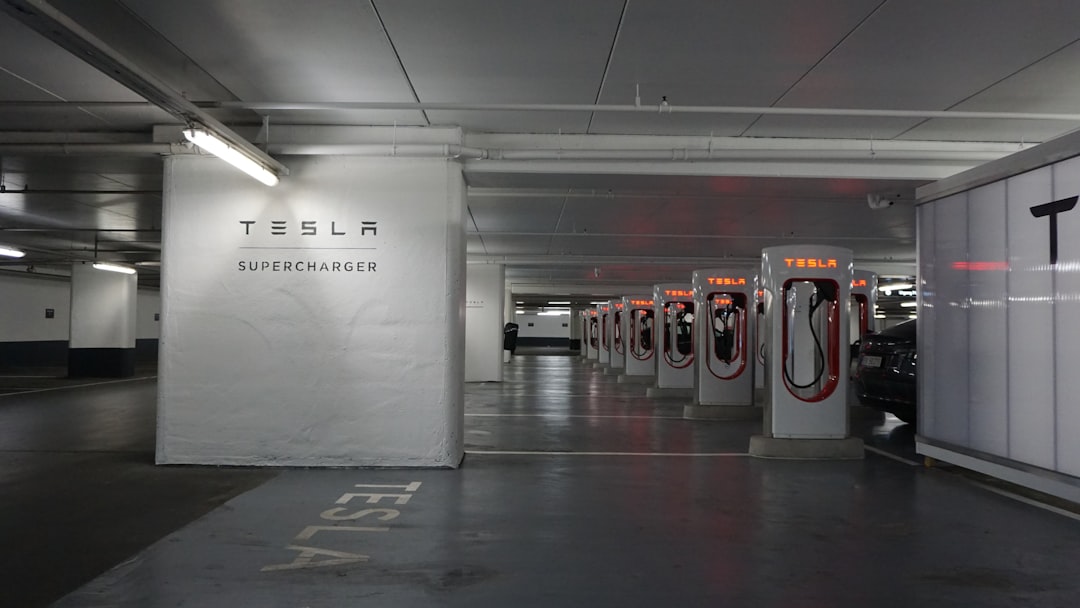
    • Charging Network Reliability: Tesla Supercharger network remains the gold standard in North America with 99.9% uptime; Hyundai’s E-GMP compatibility with multiple networks (including NACS via adapter) is a strong second
    • Software & OTA Updates: Tesla and BYD lead in frequency; BMW’s ConnectedDrive ecosystem is mature but slower to push performance updates
    • Cargo & Practicality: IONIQ 9 wins outright with 86.9 cubic feet of max cargo; Model Y offers 76 cubic feet; Han L at 58 cubic feet (sedan format)
    • Warranty Coverage: BYD Han L offers an industry-leading 8-year/200,000-mile battery warranty; others average 8-year/100,000-mile
    • Driver Assistance Systems: Tesla’s FSD (v13.x as of early 2026) remains the most capable unsupervised highway system; Hyundai’s Highway Driving Pilot is a credible alternative in supported regions
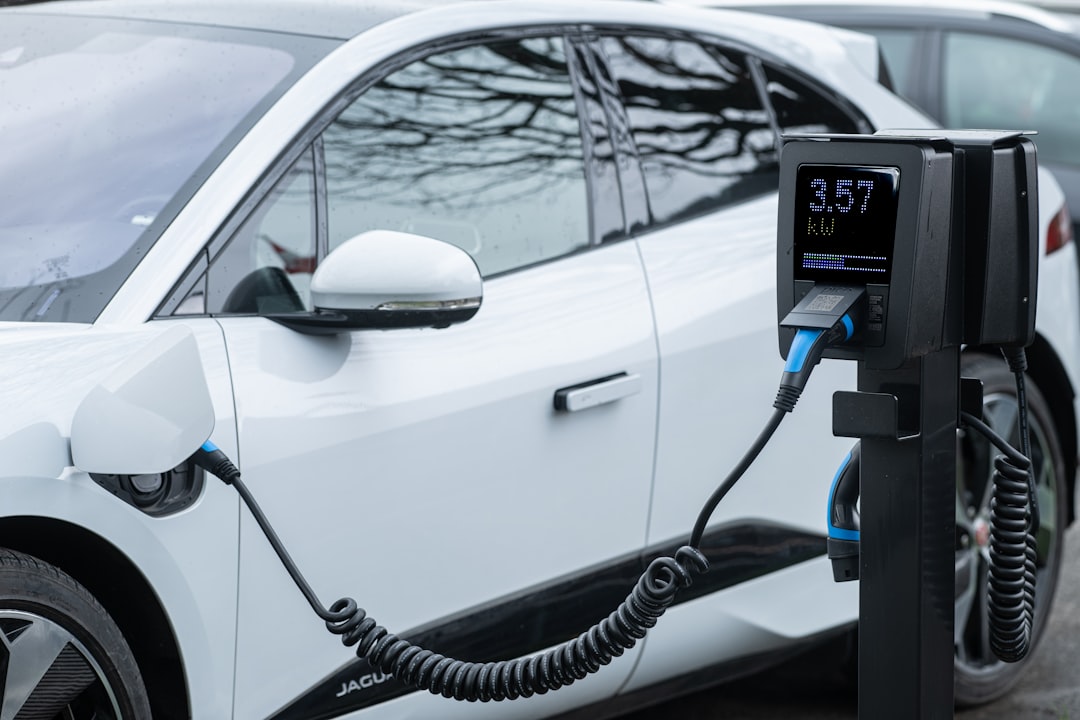
    electric vehicle battery performance data chart comparison 2026

    International Market Perspectives Worth Knowing

    In South Korea, the IONIQ 9 launched with government EV subsidies covering up to 9 million KRW for buyers, making it effectively price-competitive with mid-range ICE SUVs. The Korean Consumer Agency’s Q1 2026 satisfaction survey ranked it highest in the large EV SUV category for owner satisfaction. Meanwhile, in the European market, the BMW iX3 leads fleet purchases — its familiar driving dynamics and established dealer network give fleet managers confidence that no other EV brand has yet replicated in that segment.

    In China (the world’s largest EV market), BYD’s domestic dominance is almost unchallengeable — the Han L outsold all imported EV models combined in January 2026 according to CPCA data. But for North American and European buyers, BYD is still building trust, and the Han L’s 2026 debut will be telling. Early reservation numbers in California have been surprisingly strong, suggesting price sensitivity is overcoming brand hesitancy faster than analysts predicted.

    Realistic Alternatives: What If None of These Fit Your Situation?

    Here’s where I want to think alongside you for a moment. Not everyone needs a 350-mile range flagship. If your daily commute is under 60 miles and you have home charging, a 2026 Chevrolet Equinox EV (starting around $34,995) delivers 319 miles of range with none of the premium-model price anxiety. It’s genuinely one of the best value propositions in the market right now.

    If you’re in a rural area with limited fast-charging infrastructure, the plug-in hybrid route remains rational — the 2026 Toyota RAV4 PHEV with 55+ miles of electric range covers most daily driving electrically while eliminating range anxiety entirely. Sometimes the “best” answer isn’t the flashiest EV on the comparison chart.

    And if you’re a performance enthusiast on a tighter budget, keep an eye on the 2026 Polestar 3 Long Range — it regularly appears in clearance deals 10-12% below MSRP as Polestar adjusts its North American inventory strategy.

    Editor’s Comment : The 2026 EV landscape is genuinely exciting, but exciting doesn’t mean simple. The “best” model depends entirely on your charging setup, climate, cargo needs, and how much you value software sophistication versus driving feel. My honest take? The IONIQ 9 is the most well-rounded package for families this year, the Tesla Model Y remains the safest all-around bet for charging infrastructure reliability, and the BYD Han L is the wildcard worth watching closely. Don’t let spec-sheet comparisons make the decision for you — think about which compromise you can live with, because every EV still has one.

    태그: [‘2026 electric vehicles’, ‘EV performance comparison 2026’, ‘best electric cars 2026’, ‘IONIQ 9 review’, ‘Tesla Model Y 2026’, ‘BYD Han L’, ‘electric vehicle buying guide 2026’]


    📚 관련된 다른 글도 읽어 보세요

  • 2026 전기차 신모델 성능 비교 리뷰 | 테슬라·현대·BYD, 지금 사야 할 차는?

    지난달 친한 지인이 전화를 걸어왔어요. “전기차 사려고 하는데, 요즘 새로 나온 거 어떤 게 제일 나아?” 막상 답하려니 할 말이 너무 많더라고요. 2026년 들어 국내외 전기차 시장은 그야말로 ‘선택지의 홍수’ 상태거든요. 테슬라는 또 한 번 라인업을 재편했고, 현대차는 아이오닉 시리즈의 완성도를 한 단계 끌어올렸으며, BYD는 가격 대비 성능으로 국내 시장을 조금씩 잠식하고 있습니다. 어느 하나 쉽게 무시할 수 없는 상황이에요. 그래서 오늘은 2026년 현재 주목받는 전기차 신모델들을 실제 수치 중심으로 비교해 보고, 어떤 상황에 어떤 차가 맞는지 같이 고민해 보려 합니다.

    2026 electric vehicle lineup comparison Tesla Hyundai BYD

    📊 핵심 스펙 비교 — 숫자로 먼저 보는 2026 전기차 3파전

    먼저 2026년 현재 가장 많이 언급되는 세 모델, 테슬라 모델 Y 주니퍼(2026 페이스리프트), 현대 아이오닉 7, BYD 씰 U DM-i(한국 정식 출시 버전)를 기준으로 핵심 수치를 살펴볼게요.

    항목 테슬라 모델 Y 주니퍼 현대 아이오닉 7 BYD 씰 U DM-i
    1회 충전 주행거리 (WLTP 기준) 약 600km 약 650km 약 480km (EV 단독)
    최고출력 (AWD 기준) 380kW (517마력) 360kW (489마력) 215kW (292마력, PHEV)
    0→100km/h 가속 4.4초 5.1초 6.9초
    배터리 용량 82kWh 110kWh 15.6kWh (PHEV)
    국내 출고가 (기본형) 약 5,990만 원 약 6,490만 원 약 3,990만 원
    급속 충전 속도 최대 250kW (V4 슈퍼차저) 최대 240kW 최대 100kW

    수치만 놓고 보면 주행거리와 배터리 효율 면에서는 아이오닉 7이 한 발 앞서 있고, 퍼포먼스와 충전 인프라 접근성은 테슬라가 여전히 강점을 보입니다. BYD의 씰 U는 순수 전기차가 아닌 PHEV(플러그인 하이브리드)라는 점에서 직접 비교가 조금 어렵지만, 가격 경쟁력만큼은 압도적이라고 봅니다.

    🌍 국내외 실사용 사례 — 실제 오너들은 뭐라고 할까?

    스펙표만 보다 보면 놓치는 게 있어요. 실제 오너들의 목소리를 들어봐야 비로소 숫자 너머의 현실이 보이거든요.

    테슬라 모델 Y 주니퍼의 경우, 2026년 초 유럽 오너 커뮤니티(Tesla Motors Club)에서는 V4 슈퍼차저 전국망 확충 이후 장거리 여행 경험이 눈에 띄게 개선됐다는 평가가 많습니다. 반면 국내에서는 여전히 A/S 접수 대기가 길다는 불만이 일부 커뮤니티에서 꾸준히 제기되고 있어요. OTA(무선 소프트웨어 업데이트)로 차량 성능이 수시로 바뀌는 점은 여전히 호불호가 갈리는 부분이라고 봅니다.

    현대 아이오닉 7은 2025년 말 국내 출시 후 초기 계약 1만 대를 빠르게 돌파했어요. 특히 3열 시트를 갖춘 대형 SUV 전기차라는 점에서 패밀리카 수요를 상당히 흡수한 것으로 보입니다. 미국 Consumer Reports 2026년 상반기 평가에서도 중형~대형 전기 SUV 부문 ‘추천 모델’로 선정됐고요. 국내 E-GMP 플랫폼 기반이라 800V 초급속 충전 호환성도 좋아요.

    BYD 씰 U DM-i는 중국 현지에서 월 3만 대 이상 판매되는 검증된 모델이에요. 한국 시장에는 2026년 1분기 정식 상륙했는데, 초기 반응은 “가성비는 확실하지만 브랜드 신뢰도와 국내 서비스 네트워크 부족이 우려된다”는 의견이 공존하고 있습니다. 충전 인프라와 정비 네트워크가 국내 브랜드 대비 아직 부족하다는 점은 현실적으로 감안해야 할 것 같아요.

    Hyundai Ioniq 7 interior charging electric vehicle 2026

    ✅ 내 상황에 맞는 모델은? 구매 유형별 추천 포인트

    • 장거리 출장이 잦은 직장인 → 아이오닉 7 추천. 650km 항속거리 + 800V 초급속 충전 조합이 가장 실용적이라고 봅니다.
    • 퍼포먼스와 기술 경험을 중시하는 얼리어답터 → 테슬라 모델 Y 주니퍼. FSD(완전자율주행) 기능과 OTA 업데이트 생태계를 즐기고 싶은 분께 맞는 선택이에요.
    • 전기차 입문을 고민하는 합리적 소비자 → BYD 씰 U DM-i. PHEV 특성상 충전 인프라 불안이 덜하고, 가격 부담도 낮아 ‘첫 전기차’로 접근하기 좋습니다. 단, 서비스 네트워크 현황은 꼭 확인하세요.
    • 가족 단위 여행이 많은 패밀리 바이어 → 아이오닉 7의 3열 공간 활용성이 단연 돋보입니다. 실내 공간 설계에서 타 모델 대비 확실한 차별점이 있어요.
    • 월 유지비 최소화가 목표인 분 → 씰 U DM-i의 PHEV 연비(복합 기준 약 18km/L 수준)는 도심 주행에서 유류비 절감 효과가 상당합니다.

    💡 2026년 전기차 시장, 지금 사는 게 맞을까?

    “조금만 더 기다리면 더 좋은 차가 나오지 않을까?”라는 고민, 저도 충분히 이해해요. 실제로 전고체 배터리 탑재 모델이 2027~2028년 사이 본격 양산 예정이라는 업계 발표도 나오고 있으니까요. 그런데 반대로 생각해 보면, 지금 이 시점이 오히려 전기차 구매의 현실적인 ‘스위트 스팟(sweet spot)’일 수 있어요. 정부 보조금 정책이 2026년 현재 일부 축소 기조를 보이고 있고, 배터리 가격도 안정화 구간에 접어들면서 완성차 업체들이 마진을 일부 소비자에게 돌려주는 흐름이 나타나고 있거든요. ‘완벽한 타이밍’을 기다리다 보면 기회를 놓치는 경우도 많다고 봅니다.

    에디터 코멘트 : 세 모델 중 하나만 골라야 한다면, 2026년 현재 국내 환경에서 가장 균형 잡힌 선택은 현대 아이오닉 7이라고 생각해요. 항속거리, 충전 속도, 국내 A/S 인프라, 공간 활용성 어느 하나 크게 빠지는 게 없거든요. 테슬라는 기술 혁신성과 소프트웨어 경험을 중시한다면 여전히 매력적이고, BYD는 초기 비용 부담을 낮추고 싶은 분들에게 진지하게 고려할 만한 선택지라고 봅니다. 결국 ‘가장 좋은 차’보다 ‘나의 라이프스타일에 가장 맞는 차’를 찾는 게 핵심이에요. 시승은 꼭, 반드시, 두 번 이상 해보세요. 숫자는 설득하지만, 운전석은 솔직하거든요.

    태그: []


    📚 관련된 다른 글도 읽어 보세요

  • How to Extend Your Car Battery Life in 2026: Top Tips & Brand Recommendations You Can’t Miss

    Let me paint you a familiar picture: it’s a freezing Monday morning, you’re already running late, you turn the key (or press that start button), and… nothing. That dreaded clicking sound. Your car battery has given up. I’ve been there, and honestly, after it happened to me twice in one winter, I became obsessed with understanding why batteries die prematurely and what we can actually do about it.

    Here’s the thing — most car batteries today are rated for 3 to 5 years, but a huge chunk of drivers replace theirs within 2 years simply due to preventable habits. Let’s think through this together and figure out how to squeeze every last volt out of your battery while also pointing you toward some genuinely solid brands worth your money in 2026.

    car battery maintenance under hood closeup 2026

    🔋 Why Car Batteries Die Faster Than They Should

    Before we jump into solutions, it helps to understand the enemy. Car battery degradation is primarily driven by three culprits:

    • Sulfation: When a battery sits discharged for too long, lead sulfate crystals build up on the plates, permanently reducing capacity. This is the #1 killer of batteries in urban cars that sit idle for days.
    • Heat damage: Contrary to popular belief, heat — not cold — is the real long-term destroyer. Temperatures above 35°C (95°F) accelerate internal corrosion. Studies from the Battery Council International show that batteries in hot climates like Arizona or Southeast Asia can lose up to 33% of their lifespan compared to moderate climates.
    • Parasitic drain: Modern cars in 2026 are loaded with electronics — GPS modules, Bluetooth receivers, dashcams, and over-the-air update systems that draw power even when the car is off. A parasitic draw of just 50mA can drain a healthy battery within a week of non-use.
    • Overcharging: Faulty alternators or cheap aftermarket chargers can push excessive voltage (above 14.8V) into your battery, boiling off electrolyte and warping plates.
    • Short trips: Driving less than 20 minutes frequently doesn’t give your alternator enough time to fully recharge what the starter motor used. Do this daily and you’re essentially slow-draining your battery over months.

    📊 The Numbers Behind Battery Longevity

    According to a 2026 consumer auto report from AAA North America, the average driver replaces their battery every 3.2 years. However, drivers who follow a basic maintenance routine extend that to 4.8 years on average — that’s nearly 50% longer. Considering a quality replacement battery costs anywhere from $150 to $350, proper care could save you $100–$200 over a five-year ownership period. Not life-changing, but definitely worth 10 minutes of monthly attention.

    🛠️ Practical Ways to Extend Your Car Battery Life

    Okay, let’s get into the actionable stuff. These aren’t overly technical — most of them take literally minutes.

    • Use a smart trickle charger if you park for extended periods. Brands like NOCO Genius and CTEK have released updated 2026 models that automatically maintain optimal charge without overcharging. If your car sits in a garage for more than 3 days regularly, this is arguably the single best investment you can make.
    • Clean the terminals every 6 months. White or bluish corrosion on terminals dramatically increases resistance, meaning your battery works harder for the same output. A mixture of baking soda and water, an old toothbrush, and 5 minutes is all it takes.
    • Limit short trips when possible. If you’re just going half a mile to a coffee shop, consider whether you can walk or combine errands. Alternatively, take a longer route home once a week to give the alternator time to top off the charge.
    • Turn off electronics before shutting down. Before you kill the engine, turn off your headlights, climate control, and infotainment system. This reduces the initial load surge when you next start the car.
    • Park in the shade or a garage during summer. Remember that heat is the silent killer. Even reducing peak battery temperature by 10°C can meaningfully extend plate life.
    • Get your battery tested annually. Most auto parts stores (AutoZone, O’Reilly, Halfords in the UK) will test your battery for free. A battery showing less than 70% State of Health (SoH) is a ticking clock — plan the replacement on your terms rather than getting stranded.
    • Check your alternator output. A healthy alternator should deliver between 13.8V and 14.4V while the engine is running. Anything outside this range means your battery is either being under- or over-charged.
    smart battery charger NOCO CTEK comparison 2026

    🌍 Real-World Examples: What Drivers Around the World Are Doing

    In South Korea, where winters in Seoul can dip to -15°C and summers hit 37°C, automotive clubs like the Korea Automobile User Association have been pushing a “battery health check” campaign since early 2026, encouraging drivers to test batteries every spring and fall. The result? Members who follow this biannual check cycle report a 40% reduction in unexpected battery failures compared to those who don’t.

    In Germany, where precision engineering is practically a cultural value, many BMW and Mercedes owners swear by battery registration — a process where you inform the car’s ECU (Engine Control Unit) that a new battery has been installed so it can properly calibrate the charging algorithm. Skipping this step on newer European vehicles can actually cause premature battery failure even with a brand-new unit. This is something many mechanics in the US and Asia are now catching up on for 2026 model vehicles.

    Meanwhile, in Australia, where extreme heat is a constant challenge, a growing trend is the use of AGM (Absorbent Glass Mat) batteries as original replacements even in vehicles that shipped with standard flooded batteries. The AGM design is more heat-resistant and better handles the stop-start cycles that are now standard in fuel-saving systems. Australian auto retailer Supercheap Auto reported a 28% year-over-year increase in AGM battery sales in early 2026.

    🏆 Top Car Battery Brands Worth Considering in 2026

    Not all batteries are created equal, and brand choice does matter — especially if you’re in an extreme climate or drive a vehicle with heavy electronic loads. Here are brands that have consistently held strong reputations heading into 2026:

    • Optima Batteries (RedTop / YellowTop / BlueTop): Known for their spiral-cell AGM design, Optima batteries offer exceptional vibration resistance and deep-cycle capability. The YellowTop is particularly excellent for vehicles with aftermarket electronics. Premium priced, but they back it up.
    • Bosch S6 AGM Series: Popular across Europe and increasingly in North America. Bosch S6 batteries are designed specifically for modern stop-start vehicles and offer impressive cold-cranking amps (CCA) for their size. Great balance of performance and price.
    • DieHard Platinum (Advance Auto Parts): After being revitalized under the Advance Auto umbrella, DieHard Platinum AGM has made a comeback and earns solid marks in independent 2026 consumer tests for longevity and CCA performance.
    • ACDelco Advantage / Gold Series: The go-to for GM vehicles, but works excellently across most applications. ACDelco’s Gold (formerly Professional) line offers strong value in the mid-price range.
    • Varta (VARTA Silver Dynamic AGM): A dominant brand in Europe and growing rapidly in Asia. Varta Silver Dynamic AGM is particularly well-regarded for luxury vehicles with complex electrical systems.
    • Hankook MF (South Korea): A strong regional player in the Asia-Pacific market. Hankook’s maintenance-free batteries punch above their price point and are widely available throughout East and Southeast Asia.

    💡 A Note on EV and Hybrid 12V Auxiliary Batteries

    Even if you drive a hybrid or fully electric vehicle, don’t ignore your 12V auxiliary battery. This small battery powers your car’s low-voltage systems (locks, displays, computers) and is completely separate from your main drive battery. Tesla, Hyundai, and Toyota have all issued technical service bulletins in recent years addressing premature 12V auxiliary battery failures — and in 2026, this remains an overlooked maintenance item for EV owners. The same rules apply: check it annually, and don’t ignore warning signs like slow power windows or dim interior lights.

    🔄 Realistic Alternatives If You’re On a Budget

    If replacing your battery right now isn’t financially realistic, here are some honest middle-ground options:

    • Recondition before replacing: A desulfation charger (like the CTEK MXS 5.0 with its recondition mode) can sometimes recover a mildly sulfated battery, buying you another 6–12 months. This isn’t a permanent fix, but it’s a $50 solution versus a $200 one.
    • Buy a refurbished battery from a certified shop: Some reputable auto shops offer tested, reconditioned batteries with a 6-month warranty at 40–50% of new battery prices. Not ideal long-term, but a legitimate option.
    • Check your driving habits first: Before spending anything, audit whether the issue is behavioral. If your battery is only 18 months old and already weak, the problem may be your alternator or a parasitic drain — not the battery itself. Fixing the root cause is always more cost-effective.

    The bottom line? Your car battery is one of the most replaceable-but-also-preventable failure points in modern vehicle ownership. A little attention goes a long way, and the right brand choice for your climate and driving style makes a real difference.

    Editor’s Comment : I always tell people — treat your car battery like a smartphone battery. You wouldn’t let your phone drain to zero every single day and then wonder why it’s dead in a year. Small habits, like occasional longer drives, terminal cleaning, and annual health checks, compound into years of extra reliability. And in 2026, with smart chargers more affordable than ever, there’s really no excuse not to add one to your garage toolkit. Your future self — standing in a parking lot on a freezing morning — will thank you.

    태그: [‘car battery life extension’, ‘best car battery brands 2026’, ‘AGM battery vs standard’, ‘how to maintain car battery’, ‘car battery replacement tips’, ‘NOCO CTEK smart charger’, ‘automotive battery care guide’]


    📚 관련된 다른 글도 읽어 보세요

  • 자동차 배터리 수명 연장 방법 총정리 + 2026년 추천 브랜드까지

    얼마 전 지인이 출근길에 황당한 경험을 했다고 하더라고요. 전날 밤까지 멀쩡하던 차가 아침에 시동이 아예 걸리지 않았던 거예요. 견인차를 부르고 지각을 하고 나서야 원인이 밝혀졌는데, 바로 배터리 완전 방전이었습니다. 교체한 지 겨우 2년이 지난 배터리였다고 해서 더 황당했다고 했어요. 알고 보니 평소 단거리 주행만 반복하고, 블랙박스 상시 전원을 켜둔 게 주원인이었더라고요.

    자동차 배터리는 그냥 쓰다가 방전되면 교체하면 그만이라고 생각하기 쉬운데요, 사실 관리 방법에 따라 수명이 2배 이상 차이가 나는 소모품이라고 봅니다. 오늘은 배터리 수명을 실질적으로 늘리는 방법과 함께, 2026년 현재 시장에서 신뢰받고 있는 배터리 브랜드들을 같이 살펴볼게요.

    car battery maintenance tips engine hood

    📊 자동차 배터리, 수명에 영향을 주는 요인들 (수치로 보기)

    일반적으로 자동차 배터리의 평균 수명은 3~5년으로 알려져 있어요. 하지만 이건 어디까지나 ‘평균’이고, 실제로는 운전 습관과 환경에 따라 편차가 꽤 크답니다.

    • 단거리 반복 주행 (5km 미만): 배터리가 충분히 충전되기 전에 시동을 끄는 사이클이 반복되면 배터리 용량이 빠르게 저하됩니다. 연구에 따르면 하루 5km 미만 주행만 반복할 경우 배터리 수명이 평균 대비 약 30~40% 단축될 수 있다고 해요.
    • 고온 환경: 배터리 내부 전해액은 고온에 취약합니다. 35도 이상의 환경에 장기 노출되면 자연 방전 속도가 빨라지고, 극판 부식도 촉진되죠. 여름철 직사광선 아래 주차가 잦을 경우 수명이 최대 1년 이상 줄어들 수 있다고 봐요.
    • 블랙박스 상시 전원: 블랙박스의 평균 소비 전력은 약 3~5W 수준이지만, 장시간 주차 시 이게 누적되면 배터리 전압이 12.4V 이하로 떨어지는 ‘깊은 방전(Deep Discharge)’ 상태가 됩니다. 이 상태가 반복되면 배터리 내부 황산화 현상(Sulfation)이 가속화되어 복구가 어려워져요.
    • 방치 기간: 2주 이상 차량을 운행하지 않으면 자연 방전만으로도 시동 불가 상태가 될 수 있어요. 특히 구형 차량은 암전류(Sleep Current) 소모가 더 많은 편입니다.

    🔧 실질적인 배터리 수명 연장 방법

    원리를 알면 관리법이 훨씬 직관적으로 이해가 돼요. 배터리 수명 연장의 핵심은 결국 완전 충전 상태를 최대한 유지하고 깊은 방전을 피하는 것이라고 볼 수 있어요.

    • 주 1~2회 이상, 30분 이상 장거리 주행: 단거리 주행만 반복하는 분들에게 가장 효과적인 방법이에요. 주말에 한 번 정도 고속도로나 국도를 30분 이상 달려주면 발전기(알터네이터)가 배터리를 충분히 충전해 줍니다.
    • 블랙박스 주차 모드 시간 제한: 블랙박스 설정에서 주차 감시 시간을 4~6시간으로 제한하거나, 배터리 보호 전압(12.2V~12.4V)을 설정해두는 것이 좋아요. 요즘 블랙박스 대부분은 이 기능을 지원합니다.
    • 보조 배터리(OBD 타입) 또는 배터리 트리클 충전기 활용: 차를 자주 타지 않는 분들에게는 트리클 충전기(유지 충전기)를 연결해두는 방법이 배터리 수명을 눈에 띄게 늘려줍니다. 가격도 2~5만 원대로 부담이 없는 편이에요.
    • 지하주차장 또는 그늘 주차 습관화: 특히 여름철, 직사광선 노출을 피하는 것만으로도 배터리 수명 관리에 꽤 도움이 된다고 봐요.
    • 배터리 단자 청결 유지: 배터리 단자에 하얀 결정체(산화물)가 끼면 접촉 저항이 증가하고 충전 효율이 떨어져요. 베이킹소다와 물을 이용해 주기적으로 닦아주거나, 단자 보호 스프레이를 뿌려두면 좋습니다.
    • 배터리 전압 주기적 체크: 시중에서 1~2만 원대에 구할 수 있는 배터리 전압 테스터(OBD 단자 연결형 포함)를 활용해서 주기적으로 상태를 확인하는 습관이 필요해요. 12.4V 이하라면 이미 주의 신호입니다.
    car battery brands comparison AGM EFB 2026

    🏷️ 2026년 현재 신뢰할 수 있는 자동차 배터리 브랜드

    배터리 시장은 생각보다 브랜드 간 품질 차이가 꽤 크게 나타나는 편이에요. 최근에는 ISG(공회전 제한 장치) 탑재 차량이 늘면서 일반 납산 배터리(Ca/Ca) 대신 EFB(Enhanced Flooded Battery)AGM(Absorbent Glass Mat) 방식의 고급형 배터리 수요도 함께 높아지고 있는 추세입니다.

    • 델코 (Delkor / 국내): 국내 점유율 1위를 오랫동안 유지하고 있는 브랜드예요. 한국 기후 환경에 최적화된 설계로 AS 네트워크도 탄탄하고, EFB·AGM 라인업도 충실하게 갖추고 있어요. 가성비와 신뢰성 모두 잡은 선택지라고 봅니다.
    • 로케트 (Rocket / 세방전지): 델코와 함께 국내 시장을 양분하고 있는 브랜드예요. 특히 장거리 주행이 많은 운전자들 사이에서 내구성에 대한 평가가 높은 편입니다.
    • 보쉬 (Bosch / 독일): 유럽 수입차 오너들에게 특히 인기가 많아요. AGM 배터리 라인업이 강점이고, 독일 본사 기술력을 바탕으로 한 안정적인 성능으로 정평이 나 있습니다.
    • 바르타 (VARTA / 독일): 보쉬와 함께 유럽 프리미엄 배터리 시장을 대표하는 브랜드예요. 특히 BMW, 메르세데스-벤츠 등의 OEM 공급 이력이 있어 수입차 사용자들에게 높은 신뢰를 받고 있어요.
    • 오라이언 / 아트라스BX: 합리적인 가격대에서 준수한 성능을 보여주는 국산 브랜드들이에요. 예산이 한정적인 분들께 현실적인 대안이 될 수 있다고 봅니다.

    🌏 국내외 사례로 보는 배터리 관리의 중요성

    일본의 경우, 자동차 검사(샤켄) 제도에서 배터리 상태 점검이 필수 항목으로 포함되어 있을 만큼 배터리 관리를 중요하게 다루는 문화가 자리잡혀 있어요. 일본 JAF(한국의 보험사 긴급출동 서비스와 유사) 통계에 따르면 연간 출동 원인 1위가 배터리 방전·고장으로, 전체 출동의 약 40%를 차지한다고 해요. 한국도 크게 다르지 않을 것 같아요.

    국내에서는 2020년대 중반 들어 전기차 보조 배터리(12V 보조 납산 배터리 또는 LFP 소형 배터리) 교체 비용이 이슈가 되기도 했어요. 내연기관차의 배터리 관리 습관이 전기차 시대에도 여전히 유효하다는 점, 잊지 않으면 좋겠어요.

    ✅ 결론: 배터리는 ‘예방’이 가장 경제적이에요

    배터리 교체 비용은 차종과 배터리 규격에 따라 다르지만, 일반적으로 공임 포함 10만~30만 원 사이인 경우가 많아요. 반면 오늘 소개한 습관들은 대부분 비용이 거의 들지 않거나 소액의 투자로 가능한 것들입니다. 트리클 충전기 하나가 배터리 수명을 1~2년 연장해 준다면, 충분히 가치 있는 투자라고 봐요.

    배터리 교체 주기가 다가온다 싶으면 무작정 교체하기보다, 가까운 카센터나 배터리 전문점에서 CCA(저온 시동 능력) 테스트를 먼저 받아보는 것을 권장합니다. 정확한 상태를 알고 나서 결정해도 늦지 않아요.

    에디터 코멘트 : 자동차 배터리는 ‘고장 나면 바꾸는 부품’이 아니라 ‘관리하면 오래 쓸 수 있는 부품’이라는 인식의 전환이 필요한 것 같아요. 특히 블랙박스 상시 전원과 단거리 주행 습관의 조합은 배터리 입장에서는 꽤 가혹한 환경이에요. 작은 설정 하나, 습관 하나가 수년간의 배터리 수명을 좌우할 수 있다는 점, 꼭 기억해두시면 좋겠습니다.

    태그: [‘자동차배터리’, ‘배터리수명연장’, ‘배터리브랜드추천’, ‘델코배터리’, ‘AGM배터리’, ‘자동차관리’, ‘배터리교체시기’]


    📚 관련된 다른 글도 읽어 보세요

  • Exhaust Tuning Noise Regulations in 2026: What’s Legal, What’s Not, and the Best Products to Buy

    Picture this: you’ve just bolted on a brand-new cat-back exhaust system, and the rumble is absolutely intoxicating. You pull out of your driveway, give it a little throttle blip, and — your neighbor’s curtains twitch. Three days later, there’s a notice on your windshield from local code enforcement. Sound familiar? It’s one of the most common stories I hear from exhaust enthusiasts, and honestly, it’s 100% avoidable if you know the rules going in.

    In 2026, exhaust tuning regulations have gotten noticeably stricter in several countries, especially with the rise of EV-dominant urban planning and noise pollution awareness campaigns. But here’s the thing — that doesn’t mean the hobby is dead. It just means we need to be smarter about it. Let’s think through this together.

    exhaust tuning car performance aftermarket muffler system

    🔊 Understanding Noise Limits: The Numbers That Actually Matter

    Let’s start with the hard data, because this is where most enthusiasts get tripped up. Noise is measured in decibels (dB(A)) — the “A” weighting refers to how the human ear perceives sound. Here’s a quick snapshot of 2026 noise limits across key regions:

    • United States (EPA & State Level): Federal guidelines cap passenger vehicles at 80 dB(A) at highway speeds, but states like California (under CARB 2026 revisions) now enforce a stricter 76 dB(A) drive-by standard. Some municipalities go even lower — 72 dB(A) in certain LA and Bay Area zones.
    • European Union (EU Regulation 540/2014 + 2026 Updates): New type-approval vehicles must stay under 72 dB(A) for passenger cars. Aftermarket systems must carry an EU-compliant certificate showing they don’t exceed OEM levels by more than 3 dB(A).
    • South Korea (Ministry of Environment 2026 Standard): Passenger vehicles are limited to 74 dB(A), with strict enforcement at vehicle inspection stations (정기검사). Modifications that exceed OEM exhaust noise output can result in fines up to ₩1,000,000 and mandatory re-inspection.
    • Japan (JASMA Standards): Japan’s exhaust industry self-regulates through the Japan Automotive Sports Muffler Association (JASMA), which certifies products at 96 dB(A) near-field (a different measurement method). JASMA-certified exhausts are generally street-legal in Japan but may still trigger issues during shaken (vehicle inspection).
    • Australia (ADR 83/00): Drive-by noise limit sits at 74–77 dB(A) depending on vehicle class. Modified exhausts must comply with state-specific modification plates in Queensland, NSW, and Victoria.

    Here’s the nuance that most blogs skip: dB is a logarithmic scale. A jump from 72 dB to 75 dB isn’t a small 4% increase — it actually represents roughly twice the perceived loudness. This is why even a small muffler swap can push you over the legal threshold faster than you’d expect.

    🌍 How Countries Are Enforcing These Rules in 2026

    Enforcement has evolved significantly. Let’s look at a few real-world examples that illustrate where this is heading.

    Germany — Acoustic Speed Cameras: Several German cities, including Berlin and Munich, piloted acoustic speed cameras (Lärm-Blitzer) in 2024, and by 2026, over 200 units are deployed nationwide. These roadside devices automatically detect vehicles exceeding noise thresholds and cross-reference license plates for fines — no officer required. The fine starts at €100 but can escalate to €270+ for repeat offenders.

    South Korea — Inspection Crackdown: Korea’s 2026 정기검사 (regular vehicle inspection) cycle now includes a mandatory roadside noise test for any vehicle flagged as modified. The National Police Agency also runs periodic 소음단속 (noise enforcement) campaigns, especially during spring and autumn — peak car meet seasons.

    California, USA — OBD III Compatibility: Under California’s expanding emissions and compliance framework, some newer inspection systems now cross-check whether aftermarket exhaust components carry valid CARB EO (Executive Order) numbers. An exhaust without a CARB EO number on a post-2020 vehicle is automatically non-compliant — regardless of actual sound output.

    United Kingdom — Post-Brexit Standards: The UK now operates under its own UKCA marking framework for automotive aftermarket parts. Products previously EU-certified need separate UKCA documentation to be considered street-legal in England, Scotland, and Wales — something many online retailers still haven’t caught up with.

    aftermarket exhaust pipe brands performance muffler product comparison

    🛠️ Recommended Exhaust Products That Balance Performance and Legality (2026)

    Now, the fun part. Here are some products that enthusiasts and professionals are genuinely excited about in 2026, with compliance in mind:

    • Akrapovič Slip-On Line (Universal & Model-Specific): The Slovenian brand continues to set the gold standard. Their slip-on systems for popular platforms like the BMW M2, Honda Civic Type R, and Porsche 911 come with sound levels typically in the 74–78 dB(A) range. Many carry EU type-approval certificates. Premium pricing (USD $1,200–$3,500), but the build quality and drone-free highway tone are hard to beat.
    • Borla ATAK & S-Type Series: For the American market, Borla remains a go-to. The ATAK is their loudest street-legal option; the S-Type is more subdued and often clears California’s 76 dB limit. Both are made from T-304 stainless steel and carry a million-mile warranty. Price range: USD $600–$1,800.
    • HKS Hi-Power Spec-L (JASMA Certified): For Japan-market and JDM-oriented builds, HKS’s Spec-L line is JASMA certified and hits that satisfying mid-range bark without crossing into ear-splitting territory. It’s a solid pick if you’re targeting a balance of sound character and pass-the-shaken reliability. Price: ¥85,000–¥150,000 depending on fitment.
    • Remus Exhaust (EU-Compliant Focus): Austrian brand Remus offers a wide catalog of EU type-approved exhausts across European makes. Their Sport Exhaust with integrated valve is particularly clever — an actuated valve lets you switch between a quieter “comfort” mode and a sportier tone, which is perfect for navigating urban noise zones. Price: €800–€2,200.
    • MagnaFlow Street Series: A budget-conscious choice that doesn’t feel cheap. MagnaFlow’s Street Series is designed specifically to stay within US noise limits while delivering a noticeably deeper tone than OEM. Great entry point for beginners. Price: USD $250–$700.
    • Kakimoto Racing Hyper Full Mega (Korea/Japan Market): Popular among Korean enthusiasts for its aggressive but manageable sound profile. Check compatibility with Korean inspection standards before purchasing — some fitments are borderline and may require documentation.

    💡 Smart Alternatives If You’re Stuck in a Strict Zone

    Here’s where I want to be realistic with you, because not everyone can just drop $2,000 on an exhaust and call it a day — especially if you’re in a city or region with zero tolerance for noise modifications.

    • Resonator Delete: Instead of replacing the entire exhaust, removing or replacing just the resonator (a sound-dampening canister in the mid-pipe) can add subtle tone enhancement without dramatically raising dB levels. Cost: $50–$200 for parts + labor.
    • High-Flow Catalytic Converters: A legal upgrade in most jurisdictions (check local emissions laws), a high-flow cat improves exhaust flow and adds a slight performance bump without changing sound significantly. Brands like Random Technology and Catalytic Solutions are worth exploring.
    • Active Sound Design (ASD) for EVs and Modern ICE Cars: If you drive a newer vehicle with an infotainment system, some brands like BMW and Mercedes now offer software-based ASD tuning through their connected apps. It enhances interior sound without any external dB output — totally regulation-proof.
    • Track Day Exhaust Strategy: Buy a dedicated (louder) track exhaust and swap back to your stock or street-legal unit for daily driving. Many serious enthusiasts do this and keep both systems on hand. Labor cost to swap is typically 1–2 hours at a shop.

    🔧 Before You Buy: A Quick Compliance Checklist

    • ✅ Know your local dB(A) limit (city/state/national — all three can differ)
    • ✅ Confirm the product has the appropriate certification for your region (CARB EO, EU type-approval, JASMA, etc.)
    • ✅ Check if your vehicle is subject to periodic inspections that include noise testing
    • ✅ Ask the seller for documented sound test results — not just marketing claims
    • ✅ Consider whether your neighborhood/parking situation makes a louder exhaust a social liability

    The bottom line? Exhaust tuning in 2026 is absolutely still worth pursuing — it’s just evolved into a more calculated decision. The good news is that manufacturers have responded to tighter regulations with genuinely impressive engineering, and the sweet spot between legal and satisfying has never been wider.

    Editor’s Comment : I’ve seen too many enthusiasts buy the loudest exhaust they can find, only to spend months stressing about inspections or neighbor complaints. My honest take: the most satisfying builds I’ve seen in 2026 are the ones where the owner spent two hours researching legality before spending a single dollar on parts. Sound is personal — but a fine or a failed inspection isn’t. Start smart, tune smart, and enjoy every single drive.

    태그: [‘exhaust tuning’, ‘car noise regulations 2026’, ‘aftermarket exhaust’, ‘performance exhaust systems’, ‘CARB exhaust compliance’, ‘muffler recommendations’, ‘automotive sound laws’]


    📚 관련된 다른 글도 읽어 보세요

  • 자동차 배기 튜닝 소음 규정 완벽 정리 + 2026년 추천 머플러 제품

    얼마 전 지인이 애지중지하던 수입차에 애프터마켓 머플러를 달았다가 정기검사에서 ‘부적합’ 판정을 받아 꽤 낭패를 봤다는 얘기를 들었어요. 소리가 웅장해진 건 좋았는데, 정작 법적 기준을 몰랐던 거죠. 배기 튜닝은 단순한 취향의 문제가 아니라 법적 규정과 직결된 영역이라, 제대로 알고 시작하지 않으면 비용도 시간도 두 배로 날릴 수 있어요. 오늘은 현행 소음 기준부터 2026년 기준으로 주목받는 추천 제품까지 함께 살펴볼게요.

    car exhaust muffler tuning workshop

    📏 현행 배기 소음 법적 기준, 수치로 짚어보기

    국내 자동차 소음 규제는 「소음·진동관리법」「자동차관리법」을 동시에 따르는 구조라고 봐야 해요. 특히 배기 소음과 관련해서는 아래 기준이 핵심입니다.

    • 승용차 (2,000cc 이하): 가속 주행 소음 기준 74dB(A) 이하
    • 승용차 (2,000cc 초과): 75dB(A) 이하
    • 소형 화물·승합차: 76~77dB(A) 이하 (차종별 상이)
    • 이륜차(오토바이): 80dB(A) 이하 (배기량 175cc 초과 기준)
    • 정지 상태 배기 소음 (단속 기준): 제작 당시 허용 기준 대비 +5dB(A) 초과 시 위반

    여기서 중요한 포인트는 ‘정지 상태 단속 기준’이에요. 경찰이나 지자체 단속반이 주로 사용하는 방식인데, 공회전 또는 엔진 급가속 상태에서 배기구로부터 0.5m 거리, 45도 각도에서 소음계를 대고 측정합니다. 원칙적으로는 제조사가 신고한 소음 기준치에 5dB(A)를 더한 값이 상한선이 되는 거예요. 그 값은 차종마다 다르기 때문에, 튜닝 전에 내 차의 제원표 소음값을 먼저 확인하는 게 순서라고 봅니다.

    또한 2026년 현재 자동차 튜닝 승인 제도가 강화된 상황이에요. 배기 계통은 ‘안전 및 환경 관련 장치’로 분류되어, 한국교통안전공단(TS)에 구조 변경 승인을 받아야 합법적인 튜닝으로 인정됩니다. 승인 없이 배기 시스템을 교체하면 자동차관리법 위반(과태료 최대 50만 원)은 물론, 차량 보험 처리에도 불이익이 생길 수 있어요.

    🌍 국내외 배기 튜닝 규제 사례 비교

    해외 사례를 보면 국내 규정이 어느 수준에 위치하는지 가늠이 돼요.

    유럽(EU) — Euro 7 기준 적용 중: 2026년부터 본격 시행 중인 Euro 7 규제는 배기 소음뿐 아니라 실도로 주행 중 발생하는 타이어·브레이크 소음까지 포괄하는 방향으로 확대됐어요. 신차 인증 기준은 승용차 기준 68dB(A)까지 강화되는 추세로, 시장에 나오는 애프터마켓 부품도 이 기준에 맞춰 설계된 제품들이 늘고 있습니다.

    일본 — 보안 기준 제75조: 일본은 국내와 유사하게 배기 소음을 엄격히 관리하되, 국토교통성(MLIT) 인증 마크(JASMA 인증)가 붙은 머플러만 합법 튜닝으로 인정해요. 흥미로운 건 JASMA 인증 제품도 96dB(A) 이하라는 비교적 넓은 범위 안에서 인증되는 경우가 있어, 사운드 튜닝 문화가 국내보다 다소 열려 있는 편이라고 볼 수 있습니다.

    미국 — 캘리포니아 CARB 규정: 미국은 주(州)마다 다른데, 가장 엄격한 캘리포니아주는 95dB(A) 이하를 기준으로 하되, CARB(California Air Resources Board) 인증이 없는 배기 시스템 판매 자체를 금지해요. 반대로 텍사스 같은 주는 규제가 느슨해 같은 미국 내에서도 기준이 크게 다릅니다.

    이처럼 국가별로 기준이 다르다 보니, 해외 직구로 머플러를 구매할 때 ‘본국 인증 = 국내 합법’이 아닐 수 있다는 점을 반드시 염두에 두셔야 해요.

    aftermarket exhaust system muffler product comparison

    🔧 2026년 추천 배기 튜닝 제품

    아래 제품들은 국내 구조 변경 승인 실적이 있거나, 소음 기준 내에서 사운드 튜닝 효과를 체감할 수 있다고 알려진 제품들을 중심으로 정리했어요. 다만 차종별 적합 여부는 반드시 전문 튜닝샵에서 확인하시길 권장합니다.

    • HKS Hi-Power Spec-L (일본 HKS): 일본 JASMA 인증 기반으로 국내 구조 변경 승인 레퍼런스가 많은 제품이에요. 저·중속 토크감을 살리면서도 과도하게 시끄럽지 않은 ‘시크한 사운드’로 수요가 꾸준합니다. 현대 아반떼, 소나타 계열에 적용 사례가 많아요.
    • MagnaFlow 스트레이트-스루 머플러 (미국): 스테인리스 스틸 바디에 스트레이트 관통 구조로 배압을 최소화한 설계예요. 사운드가 상당히 절제되어 있어 ‘조용하지만 성능은 올리고 싶다’는 분들에게 잘 맞는다고 봅니다. 국내 수입차 오너들 사이에서 인기가 있어요.
    • BLITZ NUR-SPEC VSR (일본 BLITZ): VSR(Variable Sound Resonator) 기술을 적용해 저속에서는 비교적 조용하게, 고회전 영역에서 사운드가 살아나는 구조예요. 일상 주행과 스포츠 드라이빙을 겸하는 분들에게 현실적인 선택지라고 생각합니다.
    • 국산 — TOM’S KOREA 스포츠 머플러: 국내 튜닝 시장에서 구조 변경 승인 절차를 원스톱으로 지원하는 브랜드예요. 가격 접근성이 좋고, AS 대응도 빠른 편이라 입문자에게 추천하기 좋은 선택지라고 봅니다.
    • Akrapovič 슬립-온 라인 (슬로베니아): 프리미엄 영역에서는 아크라포빅이 여전히 독보적이에요. 티타늄·카본 소재로 경량화 효과도 있고, 사운드 퀄리티 자체가 다른 차원이라는 평가를 받아요. 다만 가격대가 100만 원 후반~수백만 원대로 형성되어 있어, 비용 대비 효과를 냉정하게 따져봐야 해요.

    💡 튜닝 전 반드시 확인해야 할 체크리스트

    • 내 차의 제원표상 배기 소음 수치 확인 (자동차 등록증 또는 제조사 홈페이지)
    • 한국교통안전공단 ‘자동차 튜닝 포털(tuning.kotsa.or.kr)’에서 해당 제품 승인 이력 조회
    • 전문 튜닝샵에서 장착 후 소음 측정 서비스 제공 여부 확인
    • 자동차 종합검사 주기 확인 — 튜닝 후 다음 정기검사 전에 구조 변경 승인 완료 필수
    • 차량 보험사에 사전 고지 및 특약 가입 여부 검토

    마무리하며

    배기 튜닝은 단순히 ‘소리를 크게 만드는 것’이 아니라, 엔진의 배압을 최적화해 실질적인 성능 향상을 이끌어내는 기술적인 작업이에요. 다만 그 과정에서 법적 기준을 벗어나면 단속·과태료·보험 문제로 이어지는 현실적인 리스크가 있으니, ‘합법의 범위 안에서 최대한의 만족’을 찾는 방향으로 접근하는 게 현명하다고 봅니다.

    에디터 코멘트 : 개인적으로 배기 튜닝 입문자라면 고가 제품보다 먼저 ‘국내 구조 변경 승인 실적이 있는 국산 또는 일제 슬립-온 타입’부터 시작해 보시길 권해요. 전체 배기 시스템 교체(풀 익조스트)는 비용도 크고 승인 절차도 복잡해지거든요. 작은 변화에서 만족을 찾고, 그다음 단계로 나아가는 방식이 가장 후회 없는 길이라고 생각합니다.

    태그: [‘배기튜닝’, ‘머플러추천’, ‘자동차소음규정’, ‘배기소음기준’, ‘자동차튜닝2026’, ‘구조변경승인’, ‘애프터마켓머플러’]


    📚 관련된 다른 글도 읽어 보세요

  • Domestic vs. Imported Cars: A Real-World Maintenance Cost Breakdown for 2026

    A friend of mine — let’s call him Jake — bought a sleek German sedan back in 2023. For the first year, he was over the moon. Then the first major service bill landed on his doorstep: $1,800 for a routine 60,000 km checkup. Meanwhile, his neighbor was paying roughly $400 for the same mileage service on a Korean-made SUV. Jake started doing the math, and honestly? The numbers were sobering.

    That story plays out more often than you’d think. In 2026, with global inflation stabilizing but parts and labor costs remaining elevated, the domestic vs. imported car debate has never been more financially loaded. So let’s think through this together — not just emotionally, but with real data and realistic logic.

    domestic vs imported car maintenance cost comparison 2026

    🔧 Breaking Down the Real Costs: What “Maintenance” Actually Means

    When people compare cars, they tend to fixate on the sticker price. But the smarter question is: What does it cost to keep this car running over 5–7 years? Maintenance costs include:

    • Scheduled servicing (oil changes, filters, brake fluid, timing belt/chain)
    • Parts availability and pricing (OEM vs. aftermarket)
    • Labor costs at brand-specific dealerships vs. independent garages
    • Tire replacement cycles and specialty tire costs for performance models
    • Software diagnostics — increasingly relevant in 2026 as EVs and hybrid systems dominate
    • Recall and warranty coverage differences between domestic and imported brands

    Each of these categories behaves very differently depending on whether your car was assembled domestically or imported.

    📊 Domestic Cars (Korean Brands Like Hyundai, Kia, Genesis): The Cost Reality in 2026

    Korean domestic vehicles — Hyundai, Kia, and the premium Genesis line — have undergone a remarkable transformation. In 2026, they’re no longer the budget-by-default option. Yet their maintenance economics remain a genuine advantage.

    For a standard Hyundai Tucson Hybrid, a 60,000 km service package (including inspection, filters, brake check, and hybrid battery diagnostic) runs approximately ₩350,000–₩480,000 KRW (roughly $250–$340 USD) at an authorized dealer in Korea. Parts are domestically manufactured, which dramatically reduces shipping delays and import markups. Aftermarket parts ecosystems are also deeply mature for these brands, meaning independent garages can service them affordably.

    In the U.S. market context, a Hyundai Sonata or Kia Sportage owner typically spends $700–$1,100 annually on combined maintenance, according to 2026 consumer service data. That places them comfortably below the national average of $1,400/year for mid-size vehicles.

    🌍 Imported Cars (European & Japanese Premiums): Prestige Has a Price Tag

    Let’s be fair — imported cars, especially European brands like BMW, Mercedes-Benz, Audi, and Volvo, deliver a genuinely different driving experience. The engineering refinement, interior quality, and brand prestige are real. But in 2026, the maintenance gap has actually widened due to three converging factors:

    • Parts supply chain volatility: Post-pandemic logistics haven’t fully normalized, and European OEM parts still carry significant import premiums in Asian and American markets.
    • Proprietary software systems: BMW’s iDrive 9.0 and Mercedes’ MBUX require dealer-level diagnostics that independent garages simply can’t replicate without $80,000+ tooling.
    • Labor specialization costs: Certified technicians for German luxury brands command $180–$250/hour in major metropolitan areas in 2026.

    A BMW 5 Series owner in the U.S. can expect to spend between $1,800–$2,600 annually on maintenance once the complimentary service package expires (typically after 3 years or 36,000 miles). An Audi Q5 owner in Korea faces service bills that can run ₩800,000–₩1,500,000 KRW per visit for mid-cycle maintenance.

    Japanese imports like Toyota and Honda are the interesting middle ground. Their legendary reliability keeps unscheduled repairs low, but import parts costs in Korea and parts of Southeast Asia still add a 15–25% premium over equivalent domestic servicing.

    car service center mechanic labor cost 2026

    ⚡ The EV Factor: Does It Change the Equation in 2026?

    It absolutely does — and this is where things get fascinating. In 2026, EV adoption is no longer a trend; it’s the mainstream. Both domestic and imported EVs eliminate oil changes and reduce brake wear through regenerative systems, which theoretically narrows the maintenance gap. But here’s the nuance:

    Korean domestic EVs like the Hyundai IONIQ 6 and Kia EV9 benefit from localized battery servicing infrastructure. Korea’s government-backed EV service centers offer standardized diagnostic pricing. Imported EVs — particularly Tesla (still a dominant player), BYD’s premium line entering Korean and U.S. markets, and European EVs — often require proprietary over-the-air service subscriptions and specialized battery management that adds back hidden costs.

    🗺️ Real-World Comparison: A 5-Year Cost Snapshot

    Let’s put some numbers side by side for a practical comparison. Assuming a mid-size family vehicle driven approximately 15,000 km/year:

    • Hyundai Tucson Hybrid (Domestic, Korea): ~₩2.1M–₩2.8M KRW over 5 years in scheduled maintenance
    • Kia Sportage (Domestic, U.S.): ~$3,500–$5,000 over 5 years
    • BMW X3 (Imported, Korea): ~₩6.5M–₩9M KRW over 5 years (post-complimentary service)
    • Volkswagen Tiguan (Imported, U.S.): ~$6,500–$9,200 over 5 years
    • Toyota RAV4 (Imported, Korea): ~₩3.8M–₩5.2M KRW — a genuine middle ground

    These figures account for scheduled servicing only. Add in one major unscheduled repair (which statistically occurs within 5 years for most vehicles), and European imports can see those numbers jump by an additional $1,500–$3,000 for parts alone.

    💡 So Which One Actually Makes Sense for You?

    Here’s how I’d think through this realistically, depending on your situation:

    • If you drive 20,000+ km annually: Domestic or Japanese hybrid wins decisively on total cost of ownership. High mileage accelerates every maintenance interval, and the savings compound fast.
    • If you primarily drive in a city with good transit access: Consider a smaller domestic EV. Maintenance costs drop to near-zero for mechanical components.
    • If brand prestige matters for professional reasons: A Genesis G80 in 2026 is a legitimate alternative to a BMW 5 Series — Korean-manufactured, with significantly lower servicing costs but comparable brand positioning in Asian and emerging markets.
    • If you genuinely love driving dynamics: A certified pre-owned European model (2–3 years old) with remaining warranty coverage gives you the experience while offloading the early depreciation hit to someone else.

    The honest truth? The “domestic vs. imported” framing is becoming less useful every year. The smarter question is: Which specific model, in your specific driving context, with your specific budget and service infrastructure nearby, makes the most sense?

    In most real-world scenarios in 2026, domestic Korean vehicles and Japanese brands offer a genuinely compelling total ownership proposition that’s hard to argue against on pure economics. European imports remain aspirational — and for some people, that aspiration is worth paying for. Just make sure you’re paying for it knowingly, not accidentally.

    Editor’s Comment : The maintenance cost gap between domestic and imported cars hasn’t shrunk as much as the marketing might suggest — if anything, the 2026 service ecosystem has amplified it for European luxury brands. My honest take? Unless you genuinely derive daily joy from your European import that you couldn’t get elsewhere, a well-equipped Genesis, a Hyundai Tucson Hybrid, or a Kia EV9 delivers extraordinary value without the quarterly bill anxiety. Drive what you love — but love it with your eyes open to the full cost picture.

    태그: [‘domestic vs imported car 2026’, ‘car maintenance cost comparison’, ‘Korean car vs European car’, ‘vehicle ownership cost 2026’, ‘Hyundai vs BMW maintenance’, ‘imported car servicing cost’, ‘best value car 2026’]


    📚 관련된 다른 글도 읽어 보세요

  • 국산차 vs 수입차 유지비 비교 2026 — 5년 타면 진짜 얼마나 차이날까?

    얼마 전 지인이 BMW 5시리즈를 구매하고 나서 6개월 만에 이런 말을 했어요. “차값은 어떻게든 냈는데, 유지비가 이렇게 무서울 줄 몰랐다.” 반면 같은 시기에 현대 그랜저를 산 다른 지인은 큰 걱정 없이 잘 타고 다니더라고요. 둘 다 비슷한 급의 세단인데, 왜 이렇게 체감이 다른 걸까요? 오늘은 2026년 기준 최신 데이터를 바탕으로 국산차와 수입차의 유지비를 항목별로 꼼꼼히 뜯어보려고 합니다. 단순히 ‘수입차가 비싸다’는 결론이 아니라, 어떤 항목에서 얼마나 차이가 나는지 구체적으로 살펴볼게요.

    car maintenance cost comparison korea 2026

    ① 보험료 — 생각보다 큰 격차

    2026년 현재 국내 자동차 보험료는 차량 가액, 부품 수급 난이도, 수리비 지수를 기반으로 산정됩니다. 국산 중형 세단(예: 현대 쏘나타 2.0)의 연간 자동차 보험료는 30대 초보 운전자 기준 약 85만~110만 원 수준인 반면, 동급 수입 세단(예: 폭스바겐 파사트, BMW 320i)은 동일 조건에서 140만~200만 원에 달하는 경우가 많아요. 이 차이는 주로 ‘수리비 지수’ 때문인데, 수입차는 부품 단가가 높고 공임도 비싸기 때문에 보험사가 리스크를 더 높게 잡는 구조입니다.

    5년 누적으로 단순 계산하면 보험료에서만 최소 150만~400만 원 이상 차이가 날 수 있다는 뜻이에요.

    ② 정기점검 및 소모품 교체비

    엔진오일, 에어필터, 브레이크 패드 같은 소모품은 어떤 차든 교체가 필수입니다. 문제는 가격 차이예요. 2026년 기준 국내 서비스센터 데이터를 보면 다음과 같은 차이가 나타납니다.

    • 엔진오일 교체(공임 포함) — 국산차 약 5만~8만 원 / 수입차 약 15만~30만 원 (독일 프리미엄 브랜드 기준)
    • 브레이크 패드 교체(전륜 기준) — 국산차 약 10만~15만 원 / 수입차 약 25만~60만 원
    • 타이어 4본 교체 — 국산차 약 40만~60만 원 / 수입차 약 80만~160만 원 (런플랫 타이어 포함 시 더 높음)
    • 연간 정기점검 패키지 — 국산차 공식 서비스센터 기준 약 10만~20만 원 / 수입차 공식 딜러 기준 약 30만~80만 원

    특히 수입차는 ‘전용 부품’을 써야 하는 경우가 많아 비공식 정비소를 이용하기도 쉽지 않다는 점이 추가 부담으로 작용해요. 물론 일부 독일 브랜드는 최초 3~5년 무상 서비스를 제공하기도 하지만, 그 이후부터는 비용이 급격히 올라가는 구조라 장기 보유 시에는 반드시 감안해야 합니다.

    ③ 연료비 — EV 시대에도 여전히 중요한 변수

    2026년에는 전기차 비중이 크게 늘었지만, 아직 내연기관 차량이 시장의 절반 이상을 차지하고 있는 게 라이프스타일 현실이에요. 연비 측면에서 국산 중형 세단(하이브리드 포함)은 리터당 14~18km 수준을 보여주는 반면, 수입 고성능 세단은 9~13km 수준이 많습니다. 연간 주행거리를 15,000km로 잡고 리터당 유가를 1,750원(2026년 3월 평균 기준)으로 계산하면, 연비 차이만으로도 연간 약 30만~60만 원의 연료비 차이가 발생할 수 있어요.

    ④ 감가상각 — 유지비의 ‘숨은 거인’

    많은 분들이 놓치는 항목이 바로 감가상각입니다. 수입차는 초기 구매가격이 높은 만큼 절대적 감가 금액도 크고, 특히 비(非)프리미엄 수입 브랜드나 단종 모델은 중고 시세 하락폭이 가파릅니다. 반면 국산차 — 특히 현대·기아의 인기 모델 — 는 국내 수요가 꾸준해 잔존가치가 상대적으로 안정적인 편이에요. 3,000만 원대 국산차와 5,000만 원대 수입차를 5년 뒤 매각한다고 가정하면, 잔존가치율 차이로 인해 실질 손실액이 500만~1,500만 원까지 벌어지는 사례도 흔하게 관찰됩니다.

    depreciation value comparison domestic imported car korea

    ⑤ 국내외 사례로 보는 현실

    실제 사례를 보면 체감이 더 와닿습니다. 국내 자동차 커뮤니티와 소비자 리포트를 종합해 보면, 수입 중형 SUV를 5년 보유한 오너들의 평균 유지비 총액은 차량 구매가의 약 35~45%에 달하는 것으로 나타나고 있어요. 동급 국산 SUV는 같은 기간 약 20~28% 수준이라는 분석이라이트입니다. 미국의 컨슈머 리포트(Consumer Reports) 2026년 판 역시 “일본·독일 수입차의 신뢰도는 높지만, 유지보수 비용은 미국산 또는 한국산 동급 차량 대비 평균 22% 이상 높다”고 명시하고 있어요. 이 수치는 국내 환경(부품 수입 관세, 공임 단가)을 고려하면 한국에서는 그 격차가 더 벌어질 수 있다고 봅니다.

    ⑥ 5년 총 유지비 추산 요약

    • 국산 중형 세단/SUV (3,000만~4,000만 원대) — 5년 유지비 총합 약 800만~1,200만 원 (보험·소모품·연료 포함, 감가 제외)
    • 수입 준중형~중형 세단 (4,500만~7,000만 원대) — 5년 유지비 총합 약 1,800만~3,000만 원
    • 수입 프리미엄 SUV (8,000만 원 이상) — 5년 유지비 총합 3,500만 원 초과 사례도 다수

    물론 이 수치는 주행 습관, 보험 등급, 사고 이력에 따라 크게 달라질 수 있다는 점도 함께 감안해야 해요.

    결론 — 그래서 어떤 차를 선택해야 할까?

    단순히 ‘수입차는 나쁘다’는 이야기를 하려는 게 아니에요. 수입차는 분명 주행 경험, 브랜드 가치, 일부 안전 기술 면에서 강점이 있습니다. 다만 월 가처분 소득 대비 유지비 비중을 먼저 계산해 보는 것이 현명하다고 봐요. 일반적으로 유지비(보험+소모품+연료)가 월 소득의 15%를 넘어가면 체감 부담이 급격히 올라가는 경향이 있거든요. 수입차를 고려하고 있다면, 공식 딜러의 ‘멀티이어 서비스 패키지’ 선가입, 장기 렌터카 형태의 운용, 또는 인증 중고 수입차(CPO) 활용이 유지비 부담을 줄이는 현실적인 대안이 될 수 있습니다. 국산차를 선택한다면 최신 하이브리드 트림을 고려하면 연료비와 감가 두 마리 토끼를 잡을 가능성이 높아요.

    에디터 코멘트 : 결국 차는 목적과 예산의 균형이 핵심인 것 같아요. ‘살 수 있는 차’와 ‘유지할 수 있는 차’는 다를 수 있다는 걸 꼭 기억했으면 해요. 구매 전 최소 5년치 유지비를 시뮬레이션해 보고, 그 총액이 차량 구매가의 몇 퍼센트인지를 따져보는 것 — 그게 2026년 현재 가장 스마트한 자동차 구매법이라고 봅니다.

    태그: [‘국산차수입차비교’, ‘자동차유지비2026’, ‘수입차유지비’, ‘국산차유지비’, ‘자동차보험료비교’, ‘차량유지비절약’, ‘2026자동차구매가이드’]


    📚 관련된 다른 글도 읽어 보세요

  • Legal vs. Illegal Car Tuning in 2026: The Complete Guide to What You Can (and Can’t) Do to Your Vehicle

    Picture this: you’ve just spent a weekend watching motorsport highlights, and suddenly your stock sedan feels like a rolling appliance. You start browsing aftermarket parts — a louder exhaust here, a flashier spoiler there — and before you know it, you’re deep in a rabbit hole of modifications that could either make your car a dream machine or land you with a hefty fine at your next inspection. Sound familiar? You’re not alone. Car tuning culture has exploded globally, and in 2026, the rules surrounding what’s legal and what’s not have evolved significantly alongside EV adoption and tightening emissions standards. Let’s think through this together — carefully and practically.

    car tuning workshop legal modifications aftermarket parts

    🔧 What Is Car Tuning, Exactly?

    “Tuning” broadly refers to any modification made to a vehicle beyond its factory specification. This includes performance tuning (engine, suspension, brakes), aesthetic tuning (body kits, vinyl wraps, custom wheels), and electronic tuning (ECU remapping, software updates). The distinction between legal and illegal tuning typically hinges on three pillars: safety standards, emissions compliance, and type approval regulations — which vary significantly by country.

    📊 The Global Tuning Market in 2026: Bigger Than Ever

    According to the 2026 Global Automotive Aftermarket Industry Report, the worldwide car modification market is valued at approximately $560 billion USD, up nearly 18% from three years ago. Interestingly, EV-specific tuning (battery performance mods, regenerative braking calibration) now accounts for roughly 12% of all aftermarket activity — a segment that barely existed a decade ago. This growth has pushed governments to update their regulations, sometimes lagging behind the actual technology available on the streets.

    ✅ Generally Legal Modifications (With Caveats)

    Here’s where things get nuanced. Most countries draw a line between modifications that are cosmetic and reversible versus those that alter fundamental safety or environmental performance. The following are broadly considered legal in most jurisdictions, though always verify with your local transport authority:

    • Window tinting — Legal in most places, but VLT (visible light transmission) percentages are strictly regulated. In the US, front side windows typically must allow 35–70% light depending on the state. In South Korea, 35% or above is required for front windows.
    • Aftermarket wheels — Permitted as long as the wheel size doesn’t dramatically alter speedometer accuracy or foul wheel arches. Oversized wheels that affect ABS calibration can become a gray area.
    • Cold air intakes — Generally legal in most regions, though California’s CARB (California Air Resources Board) requires an EO (Executive Order) number for compliance.
    • Suspension lowering (within limits) — Most countries allow a reduction of up to 30–40mm from factory height before it triggers a re-inspection requirement.
    • Vinyl wraps and paint changes — Legal nearly everywhere, but some jurisdictions require you to notify the vehicle registration authority of a color change.
    • Cat-back exhaust systems — Modifications made after the catalytic converter are generally permissible, as long as noise limits (typically 74–80 dB depending on region) are respected.
    • Cosmetic body kits — Permitted if they don’t protrude dangerously beyond the car’s original body lines or obscure lighting and license plates.

    🚫 Commonly Illegal Modifications — Don’t Get Caught

    • ECU remapping that defeats emissions controls — This is a major red flag in 2026. Under the EU’s updated Euro 7 standards and South Korea’s 대기환경보전법 (Clean Air Conservation Act), tampering with emissions-related software is now subject to fines up to €30,000 in the EU.
    • Straight-pipe or de-cat exhaust systems — Removing the catalytic converter is illegal in virtually every developed nation and can result in immediate vehicle impoundment in Germany and South Korea.
    • HID/LED conversion in housings not designed for them — Creates dangerous glare for other drivers. Illegal without proper projector housing upgrades in most of Europe, Japan, and Korea.
    • Nitrous Oxide (NOS) systems for road use — Universally illegal on public roads, though permitted on closed circuits.
    • Altered VIN or odometer tampering — Not just a tuning issue; this is criminal fraud in every jurisdiction.
    • Overly tinted windshields — Even 20% tint on a front windshield is illegal almost everywhere globally.
    • Underglow lighting while moving — Most countries restrict neon/LED underglow to stationary display only; using it while driving is treated as a distraction hazard.
    illegal car modifications exhaust emissions fine inspection

    🌍 How Different Countries Handle Tuning: Real-World Examples

    United States: The US operates on a state-by-state patchwork, but the federal Clean Air Act draws a hard line on emissions tampering. California remains the strictest, with CARB certification required for most performance mods. Texas, by contrast, has relatively relaxed standards — a reason many American tuners are based there.

    Germany: Germany is fascinating — the birthplace of the Autobahn has surprisingly strict modification rules. The Straßenverkehrs-Zulassungs-Ordnung (StVZO) requires that almost any structural modification receive a TÜV (technical inspection) stamp. However, Germans embrace this culture — TÜV-certified performance builds are a badge of honor. Wide-body kits, for instance, require individual technical approval and are not simply bolt-and-go propositions.

    Japan: Japan’s Shakin (vehicle inspection) system is rigorous. Modifications must comply with JDM standards and be registered. Interestingly, Japan has one of the world’s most sophisticated legal tuning ecosystems — companies like HKS and Cusco produce inspection-compliant parts specifically designed to pass Shakin. The culture respects the law but engineers around it brilliantly.

    South Korea: Under the 자동차관리법 (Motor Vehicle Management Act), structural modifications require prior approval from the Korea Transportation Safety Authority (KOTSA / 한국교통안전공단). Since 2023, enforcement has intensified — unauthorized spoilers, body kit extensions beyond 30mm, and suspension modifications exceeding regulated limits are being flagged at periodic inspections (정기검사). Fines start at ₩500,000 and can escalate to criminal referral for repeat offenders.

    United Kingdom (post-Brexit): The UK now operates under its own DVSA framework, partially mirroring EU standards but with some divergence. An MOT test failure for illegal mods results not just in fines but potential insurance invalidation — a serious financial risk.

    🔌 The EV Tuning Gray Zone in 2026

    One of the fastest-moving legal frontiers right now is electric vehicle tuning. Can you legally remap an EV’s motor controller to unlock more power? In most countries, the answer is no — for the same reason ICE ECU tampering is banned. However, “subscription-based performance unlocking” offered directly by manufacturers (like certain Tesla over-the-air performance boosts or Hyundai’s N Performance packages) occupies a legal safe harbor because the manufacturer controls the modification. Third-party EV remapping remains largely uncharted — and therefore high-risk — territory.

    💡 Realistic Alternatives: How to Tune Smart in 2026

    So what if you want a more exciting drive without risking fines, failed inspections, or voided insurance? Here are practical paths forward:

    • Choose manufacturer-approved performance packages — Many OEMs now offer factory-tuned variants (BMW M Performance, Hyundai N Line, Toyota GR accessories) that are fully legal and warranty-preserving.
    • Use certified aftermarket brands — Look for parts with CARB EO numbers (US), TÜV certification (Germany), or KOTSA approval (Korea). Yes, they cost more, but the peace of mind is worth it.
    • Join a car club or track day program — Save your aggressive mods for track-only builds. A dedicated track car can be tuned far beyond road-legal limits, legally.
    • Consult a licensed tuning shop — In 2026, reputable shops will walk you through the paperwork, not just the parts. If a shop skips compliance conversation entirely, that’s a red flag.
    • Document everything — Keep receipts, certification numbers, and approval documents in the glovebox. During an inspection, paperwork is your best friend.

    🎯 Quick Reference: Legal Check Before You Mod

    Before pulling the trigger on any modification, ask yourself these five questions:

    • Does this modification require a re-registration or notification to the transport authority?
    • Does it affect emissions-related systems (catalytic converter, O2 sensors, DPF)?
    • Will it cause the vehicle to fail the next periodic safety inspection?
    • Could it void my insurance policy or affect my liability in an accident?
    • Is the part certified for road use in my specific country/state/region?

    If you answer “yes” to any of the first four, proceed with extreme caution or consult a legal automotive specialist first.

    Editor’s Comment : Here’s the honest truth — the line between legal and illegal tuning isn’t always a bright red line. It’s often a blurry gradient that depends on your jurisdiction, the specific part, and even how strictly your local inspection station interprets the rules. The smartest tuners I know in 2026 aren’t the ones with the loudest exhausts or the most aggressive ECU maps — they’re the ones who know the rules inside out and push right up to the legal edge with documentation to back them up. Tune smart, tune legal, and enjoy the ride without the courtroom drama.

    태그: [‘car tuning legal illegal 2026’, ‘aftermarket modifications law’, ‘ECU remapping legality’, ‘car inspection modifications’, ‘illegal car mods guide’, ‘automotive tuning regulations’, ‘EV tuning laws 2026’]


    📚 관련된 다른 글도 읽어 보세요

  • 자동차 튜닝 합법 vs 불법 기준 2026년 총정리 | 과태료 피하는 법까지

    지인 중 한 명이 얼마 전 꽤 당혹스러운 경험을 했어요. 주말 드라이브를 즐기던 중 경찰 단속에 걸렸는데, 본인은 ‘그냥 멋으로 달았던’ 틴팅과 머플러 교체가 불법 구조 변경에 해당한다는 걸 그 자리에서 처음 알게 된 거죠. 과태료에 원상복구 명령까지 받고 나서야 “튜닝에도 법이 있구나” 하고 실감했다고 하더라고요.

    사실 자동차 튜닝은 ‘내 차를 내 마음대로 꾸미는 것’처럼 느껴지기 쉬운데, 국내 도로교통법과 자동차관리법 테두리 안에서는 생각보다 훨씬 세밀하게 규정돼 있어요. 2026년 현재 기준으로 합법과 불법의 경계가 어디에 있는지, 그리고 현실적으로 어떻게 접근해야 하는지 함께 정리해 볼게요.

    car tuning legal illegal Korea road

    📌 자동차 튜닝이란? 법적 정의부터 잡고 가기

    「자동차관리법」 제2조에 따르면, 자동차 튜닝이란 자동차의 구조·장치를 변경하는 모든 행위를 말해요. 단순히 스티커를 붙이거나 시트 커버를 교체하는 건 해당 없지만, 엔진·제동·조향·연료장치 등 핵심 구조물을 손대는 순간 법의 영역으로 들어오게 됩니다.

    튜닝은 크게 세 가지로 분류돼요.

    • 승인 불필요 튜닝: 구조·성능에 영향을 주지 않는 단순 부품 교체 (예: 순정 규격 내 타이어 교체, 순정 스펙 이내 배터리 교체)
    • 자기인증 튜닝: 비교적 경미한 변경으로 튜닝업체가 자체 인증 후 시행 가능 (2022년 제도 도입 이후 지속 확대 중)
    • 승인 필요 튜닝: 한국교통안전공단(TS)의 튜닝 승인을 받아야 하는 구조 변경 (엔진 교체, 차체 구조 변경, 축거 변경 등)

    📊 합법 튜닝 vs 불법 튜닝, 항목별 수치 기준 정리

    가장 헷갈리는 부분이 바로 ‘어디까지가 합법이냐’는 거잖아요. 2026년 현재 자동차관리법 시행규칙 및 TS 기준을 기반으로 주요 항목을 정리해 봤어요.

    • 타이어 & 휠: 순정 대비 타이어 외경 ±3% 이내, 휠 폭이 펜더를 초과하지 않는 범위는 합법. 펜더 밖으로 타이어가 튀어나오면 즉시 불법.
    • 차고 변경(로우링·리프트업): 기준 차고 대비 ±4cm 이내는 허용 범위. 그 이상 내리거나 올리면 구조 변경 승인 필요.
    • 윈도우 틴팅: 전면 유리 가시광선 투과율 70% 이상, 운전석·조수석 측면 유리 40% 이상 유지해야 합법. 2026년 현재 기준도 동일하게 유지 중.
    • 머플러 교체: 배기 소음 기준 초과 시 불법. 소형 승용차 기준 가속 주행 소음 74dB 이하를 충족해야 해요. 공인된 인증 부품 사용이 핵심.
    • HID·LED 헤드라이트: 순정 사양과 동일한 규격의 KS 또는 ECE 인증 제품으로 교체 시 합법. 임의 색상 변경(청색·적색 등)은 불법.
    • 에어스포일러·바디킷: 차량 전장 길이 기준 돌출 폭이 3cm 이하이고 안전 기준에 위배되지 않으면 승인 없이 가능한 경우도 있어요. 단, 에어댐이 지상 최저고도 기준(승용차 9cm 이상)을 침해하면 안 됩니다.
    • 엔진 스왑·ECU 튜닝: 반드시 TS 튜닝 승인 필요. 임의 엔진 교체 적발 시 과태료 최대 300만 원 + 운행 정지 처분.

    🌍 국내외 사례로 보는 튜닝 규제의 현실

    독일의 경우 TÜV(독일기술검사협회) 인증 시스템을 통해 튜닝 부품의 안전성을 사전에 검증하고, 인증 스티커가 붙은 부품이라면 비교적 자유롭게 장착할 수 있어요. 덕분에 독일은 고성능 튜닝 문화가 합법적으로 발전할 수 있는 인프라를 갖추고 있다고 봐요.

    일본 역시 JDM(Japan Domestic Market) 튜닝 문화가 뿌리 깊은데, 차검(車検·샤켄) 기준에 맞지 않는 튜닝은 공도 주행이 불가능하고, 서킷 전용 차량은 별도로 관리하는 이원화 시스템을 운용하고 있어요.

    반면 국내는 2020년대 들어 튜닝 산업 활성화 정책이 꾸준히 추진돼 왔어요. 2026년 현재 TS에 등록된 튜닝업체 수는 약 4,500여 곳으로, 2020년 대비 약 1.8배 성장했고, 합법 튜닝 승인 건수도 연간 약 12만 건 수준으로 늘어난 것으로 라고 봅니다. 다만 여전히 ‘일단 달고 보는’ 불법 개조 차량이 단속 차량의 40% 이상을 차지한다는 점은 아쉬운 현실이에요.

    car tuning workshop Korea modification parts

    🚨 불법 튜닝 적발 시 처벌 수위는?

    단순히 과태료로 끝나지 않는 경우가 많다는 걸 알아야 해요.

    • 구조변경 미승인 운행: 과태료 50만~300만 원
    • 소음 기준 초과 머플러: 1차 경고 후 2차부터 과태료 부과, 운행 정지 명령 가능
    • 불법 틴팅: 범칙금 4만 원(승용차 기준), 현장 즉시 제거 명령
    • 사고 발생 시: 불법 튜닝 상태가 사고 원인과 연관되면 보험 면책 사유가 될 수 있어 실질적 피해가 훨씬 커질 수 있어요.

    ✅ 합법적으로 튜닝을 즐기는 현실적인 방법

    튜닝 자체가 나쁜 게 아니에요. 절차를 지키면 충분히 개성 있는 차를 만들 수 있어요. 몇 가지 실질적인 팁을 드릴게요.

    • TS 튜닝 포털(tuning.kotsa.or.kr) 활용: 내가 원하는 튜닝이 승인 대상인지 아닌지 사전에 조회할 수 있어요.
    • 공인 튜닝업체 선택: 국토교통부 등록 튜닝업체 여부를 반드시 확인하고 작업 전 서면 계약서를 받아두는 게 좋아요.
    • 인증 부품 사용: KS, ECE, DOT 등 국제 인증을 받은 부품을 사용하면 합법 판정 가능성이 높아져요.
    • 튜닝 전 자동차 검사 이력 확인: 중고차 구입 후 전 소유주가 무승인 튜닝을 한 경우 나도 모르게 처벌을 받을 수 있으니 꼭 확인해요.

    에디터 코멘트 : 튜닝은 자동차를 대하는 태도가 얼마나 진지한지를 보여주는 영역인 것 같아요. ‘그냥 예뻐 보여서’가 아니라 ‘왜 이 부품이 내 차에 필요한가’를 먼저 따지는 사람이 결국 합법의 테두리 안에서도 충분히 만족스러운 결과를 얻는다고 봐요. 2026년 현재 규제 완화 흐름이 계속되고 있는 만큼, 제도의 변화를 주기적으로 체크하면서 즐기는 것이 가장 현명한 방법이라고 생각해요. 멋진 차는 번거로운 절차를 이겨낸 뒤에 더 빛나는 법이니까요. 😊

    태그: [‘자동차튜닝’, ‘합법튜닝’, ‘불법튜닝기준’, ‘튜닝승인’, ‘자동차관리법’, ‘튜닝과태료’, ‘2026자동차튜닝’]


    📚 관련된 다른 글도 읽어 보세요