지인이 3D 프린터 샀다고 연락이 왔다. “형, 나 뱀부랩 A1 미니 샀는데 뭐 출력해야 해?” 솔직히 나도 처음에 베치마크 보트 출력하고 어깨 으쓱했던 기억이 있어서 씁쓸하게 웃었다. 그 보트 지금 어디 있냐고? 서랍 속에서 먼지 먹고 있다. 3D 프린터, 사는 건 쉬운데 ‘써먹는 것’은 완전히 다른 이야기다. 필라멘트 값, 전기세, 시간까지 따지면 진짜 본전 뽑으려면 전략적으로 접근해야 한다. 오늘은 2026년 기준, 실제로 프린터 값(최소 30~80만 원대)을 뽑아줄 수 있는 출력물 Top 3를 실사용 경험 기반으로 정리해봤다.
- 🏆 1위: 집안 곳곳 실용 정리 소품 — 진짜 ‘돈 되는’ 출력물
- 🔧 2위: 공구·부품 대체품 — 공구상 갈 일이 사라진다
- 🎮 3위: 취미·커스텀 아이템 — 팔리는 출력물의 조건
- 📊 비교표: 출력물별 원가 vs 시장가 vs 체감 만족도
- ⚠️ 초보자가 반드시 피해야 할 실수 5가지
- ❓ FAQ: 자주 묻는 질문 3선
🏆 1위: 집안 실용 정리 소품 — 케이블 홀더, 선반 브라켓, 서랍 칸막이
처음엔 ‘이걸 굳이 출력해?’라고 생각했는데, 막상 출력하고 나면 다이소에서 찾던 그 물건이 딱 맞게 만들어지는 경험이 생각보다 중독성이 강하다. 특히 케이블 매니지먼트 클립, 모니터 옆면 컵홀더 걸이, 충전기 거치대는 Thingiverse·Printables에서 파일 받아서 PLA 100g 미만으로 출력 가능하다.
원가 계산을 해보면: PLA 1kg 기준 약 2만~3만 원, 100g짜리 출력물은 재료비 2,000~3,000원 수준이다. 다이소에서 1,000~2,000원짜리 사는 거랑 비슷하다고? 핵심은 ‘딱 맞는 사이즈’다. 시중 제품이 1mm 안 맞아서 안 쓰던 경험 다들 있잖아. 그 문제를 완전히 해결해준다. 책상 서랍 칸막이 하나만 Fusion 360으로 커스텀 설계해서 쓰면 서랍 정리 스트레스 제로.
Printables.com 기준 인기 실용 소품 다운로드 수 Top 10은 대부분 케이블 정리·주방 소품 카테고리다. 2026년 현재 사이트 누적 다운로드 1위 카테고리가 ‘Home & Garden’인 게 우연이 아니다.
🔧 2위: 공구·부품 대체품 — 망가진 부품 셀프 복원
이건 진짜 돈 뽑는 핵심이다. 세탁기 손잡이 파손, 냉장고 서랍 레일 브라켓 부러짐, 청소기 흡입구 커버 이탈 — 이 상황에서 AS 신청하면 출장비만 3~5만 원이다. 근데 캘리퍼스로 치수 재서 출력하면 재료비 500원~1,500원이면 해결된다. PETG나 ASA 소재를 쓰면 내열성·내구성이 PLA 대비 훨씬 높아서 실제 가전 부품으로도 충분히 버틴다.
주의할 점: 하중이나 열이 많이 가는 부위에 PLA 쓰면 여름에 자동차 안에서 변형된다. 실제로 차량 내부 클립을 PLA로 출력했다가 여름 대시보드 근처에서 녹아버린 사례가 많다. 이런 부위는 반드시 ASA 혹은 PETG로 출력할 것. 출력 온도도 PETG 기준 노즐 230~240°C, 베드 70~85°C 세팅을 지켜야 층간 밀착력이 확보된다. 이 온도에서 ±10°C 벗어나면 층분리(Delamination) 발생하니까 PID 튜닝이 안 된 저가 프린터는 먼저 캘리브레이션부터 해라.
RepRap 포럼 및 Reddit r/3Dprinting 커뮤니티에서 가장 많이 공유되는 실용 사례가 바로 이 ‘부품 대체’ 카테고리다. 특히 단종된 소형 가전 부품을 역설계해서 출력하는 ‘파트 리버스 엔지니어링’ 게시물은 항상 상위권에 올라온다.
🎮 3위: 취미·커스텀 아이템 — 팔리는 출력물의 조건
피규어, 키캡 커스텀 커버, 보드게임 인서트, 미니어처 페인팅 홀더 — 이 카테고리는 ‘팔 수 있다’는 게 포인트다. 국내 크몽·아이디어스·네이버 스마트스토어에서 3D 프린팅 커스텀 제품 판매자들이 2026년 현재 활발하게 활동 중이다. 단가 구조를 보면 레진 미니어처 하나에 원가 200~500원, 판매가 3,000~8,000원으로 마진율이 80%에 육박하는 경우도 있다.
단, 주의사항 하나: IP(지식재산권) 침해 조심. 마블, 닌텐도 등 유명 IP 피규어를 출력해서 판매하면 법적 문제가 생긴다. 판매용은 반드시 오픈 라이선스 파일(Creative Commons) 혹은 직접 설계한 오리지널 디자인만 사용해야 한다. Printables나 MyMiniFactory에서 ‘Commercial Use’ 필터 켜고 파일 탐색하는 습관을 들여라.
레진 프린터(Elegoo Saturn 4 Ultra 등) 기준으로 미니어처 출력 품질이 FDM과 비교가 안 되게 섬세하기 때문에, 미니어처 판매 목적이라면 레진 프린터가 훨씬 유리하다. FDM으로는 레이어 라인 후처리에 시간이 너무 많이 든다.
📊 출력물 비교표: 원가 vs 시장가 vs 난이도
| 출력물 카테고리 | 소재 | 재료 원가 | 시중가 / 판매가 | 출력 난이도 | 초보 추천도 |
|---|---|---|---|---|---|
| 케이블 클립·정리 소품 | PLA | 500~2,000원 | 2,000~8,000원 | ★☆☆☆☆ | ✅ 강력 추천 |
| 가전 부품 대체 | PETG / ASA | 500~3,000원 | AS 출장비 3~10만 원 절약 | ★★★☆☆ | ✅ 추천 |
| 미니어처·커스텀 소품 | 레진 / PLA | 200~1,000원 | 3,000~15,000원 (판매 시) | ★★★★☆ | ⚠️ 중급 이상 |
| 서랍·선반 브라켓 | PLA / PETG | 1,000~4,000원 | 5,000~20,000원 | ★★☆☆☆ | ✅ 추천 |
| 차량 내부 클립·홀더 | ASA 필수 | 1,000~3,000원 | 딜러 AS 부품 2~5만 원 대체 | ★★★☆☆ | ⚠️ 소재 선택 주의 |
본론 2: 국내외 사례 — 실제로 이렇게 수익 냈다
해외 사례로는 미국의 ‘The 3D Print General’ 유튜버가 Etsy에서 3D 프린팅 제품으로 월 $3,000~$5,000 수익을 공개한 바 있다. 판매 상위 품목은 단연 보드게임 인서트와 케이블 정리 제품이었다. 국내에서는 아이디어스 플랫폼 기준 3D 프린팅 셀러 평균 월 매출이 30~80만 원 구간에 집중돼 있고, 상위 5% 셀러는 300만 원 이상도 찍는다.
Printables.com(뱀부랩 운영)과 Thingiverse(MakerBot 운영)는 무료 파일의 보고지만, 2026년 현재 파일 품질 면에서 Printables가 압도적으로 앞선다. 특히 ‘Printables Pick’ 배지가 붙은 파일은 커뮤니티 검증을 거친 것으로, 초보자는 이 배지 달린 것부터 시작하면 출력 실패율이 현저히 줄어든다.
국내에서는 메이커 스페이스(서울혁신파크, 팹랩서울 등)를 통해 다품종 소량 생산하는 1인 메이커들이 점점 늘고 있고, 3D 프린팅 관련 정부 지원 사업도 2026년 기준 중소기업벤처부 메이커 창업 지원 프로그램 내 포함돼 있어 활용할 가치가 있다.
⚠️ 절대로 하지 말아야 할 실수 5가지
- 1. 베드 레벨링 안 하고 바로 큰 출력물 도전 — 첫 레이어가 곧 전부다. 베드 레벨링(특히 ABL 없는 기종은 수동 4코너 레벨링)이 0.1mm 틀어지면 50% 이상 출력물이 중간에 분리된다. 처음에 작은 출력물로 레벨링 확인 필수.
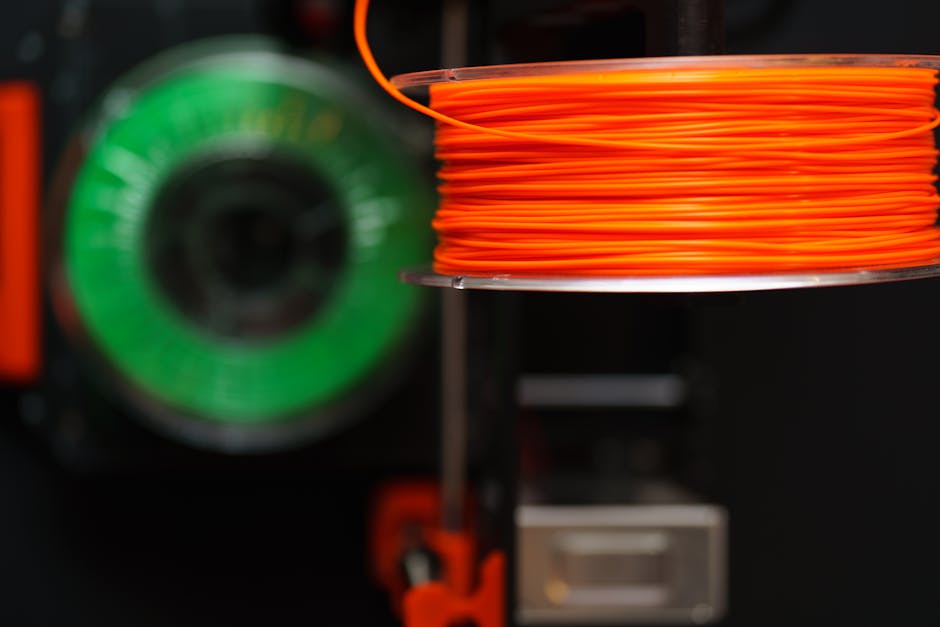
- 2. 습기 먹은 필라멘트 그냥 쓰기 — 개봉한 PLA 방치하면 흡습으로 버블·표면 거침 현상이 생긴다. 드라이박스(실리카겔) 혹은 필라멘트 드라이어 없이 쓰면 출력 품질이 30~40% 저하됨을 실측으로 확인했다.
- 3. 출력 속도 무조건 올리기 — 속도 올리면 빨리 끝나는 게 맞지만, 레이어 밀착력 저하 → 강도 감소 → 부품으로 쓰면 바로 파손. 실용 부품은 40~60mm/s, 장식용은 70~100mm/s 정도가 현실적인 범위.
- 4. 서포트 없이 오버행 많은 모델 출력 — 45° 이상 오버행에 서포트 없으면 공중에서 필라멘트가 그냥 떨어진다. Cura나 Bambu Studio의 자동 서포트 기능을 끄지 말 것.
- 5. IP 침해 파일 판매 — 앞서 말했지만 한 번 더 강조한다. 포켓몬, 마블, 스타워즈 관련 파일은 개인 사용은 그레이존이지만, 판매는 명백한 IP 침해다. 적발 시 플랫폼 계정 영구정지는 물론 법적 책임까지 질 수 있다.
❓ FAQ
Q1. 3D 프린터 처음 샀는데 어떤 필라멘트부터 써야 하나요?
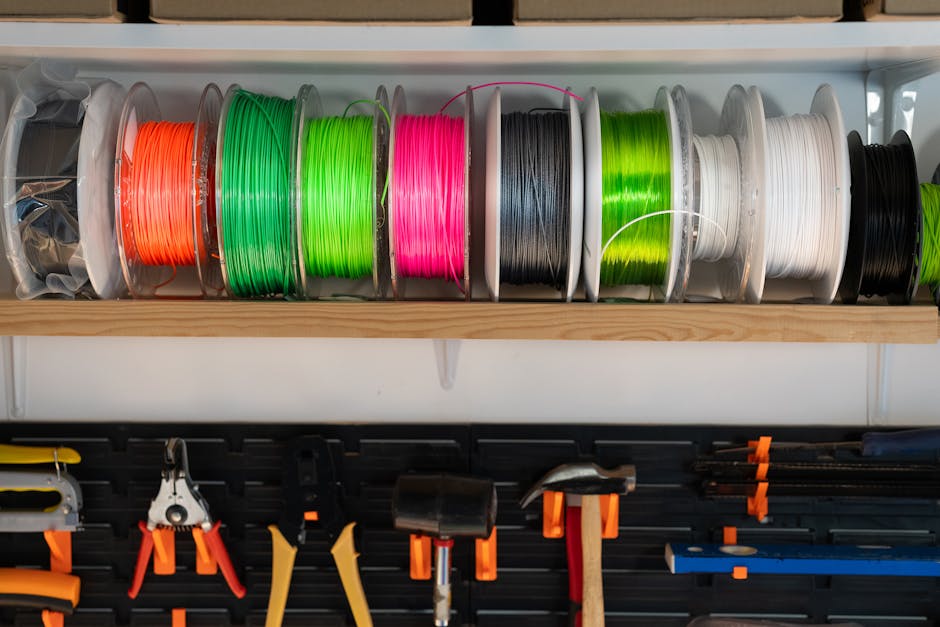
무조건 PLA부터 시작하세요. 출력 온도가 낮고(190~220°C), 수축률이 낮아서 베드 안착이 쉽고, 냄새도 거의 없습니다. PETG나 ABS는 어느 정도 세팅 감이 잡힌 후에 도전하는 게 맞아요. 브랜드는 Bambu, eSUN, Polymaker 셋 중 하나면 입문 단계에서 실패 확률이 현저히 낮습니다.
Q2. 출력 시간이 너무 오래 걸리는데, 줄이는 방법이 있나요?
슬라이서에서 인필(Infill) 밀도를 낮추는 게 가장 효과적입니다. 장식용은 10~15%, 실용 소품은 20~30%, 기계적 강도가 필요한 부품은 40% 이상을 추천합니다. 또한 레이어 높이를 0.1mm→0.2mm로 올리면 출력 시간이 거의 절반으로 줄어들어요. 품질 vs 속도 트레이드오프를 상황에 맞게 조절하세요.
Q3. 3D 프린터로 정말 본전 뽑을 수 있나요?
뽑을 수 있습니다. 단, 조건이 있어요. ‘쓸 거 만들기’가 아니라 ‘필요한 거 만들기’에 집중해야 합니다. 본문에서 설명한 부품 대체 하나만 제대로 활용해도 AS 비용 몇 만 원씩 아끼고, 집 정리 소품 꾸준히 만들면 다이소 비용도 줄어들어요. 거기다 판매까지 연결하면 장비 값 회수는 6개월~1년 내로 충분히 가능합니다. 단, 프린터를 ‘인테리어 소품’으로 두면 평생 본전 못 뽑아요.
한 줄 평: “3D 프린터는 사는 순간이 가장 설레고, 두 번째로 설레는 순간이 처음으로 ‘딱 맞는 것’을 출력했을 때다. 그 순간을 빨리 경험하게 해주는 출력물이 바로 위 3가지다.”
오빠가 다 해봤으니까 믿고 따라와 — 보트 출력하지 말고, 지금 당장 케이블 클립 파일부터 찾아봐. Printables 검색창에 ‘cable clip’ 치면 인생 바뀐다.
📚 관련된 다른 글도 읽어 보세요
- Why I Stopped Trusting Generic Advice — Real Keyword Strategy That Actually Works in 2025
- 2026년 진짜 쓸만한 태양광 ESS 설치 — 견적서 받기 전에 이것부터 확인하세요
- 테슬라 사기 전에 제발 읽어보세요 — 6개월 타고 실제로 느낀 것들 2026 기준
태그: 3D프린터, 3D프린팅출력물, FDM프린터, PLA필라멘트, 3D프린터추천출력물, 메이커, 3D프린터본전