Picture this: it’s a stormy Tuesday morning, you’re already running late, and suddenly your windshield turns into a blurry watercolor painting because your wiper blades are smearing instead of clearing. Sound familiar? I’ve been there more times than I’d like to admit — and the worst part is, a good set of wiper blades costs less than your average lunch out. We just never think about them until we desperately need them.
So let’s fix that today. Whether you’re driving a compact city car or a full-size SUV, finding the right wiper blade in 2026 isn’t as simple as grabbing whatever’s on the shelf. There are three major types, dozens of brands, and a surprising amount of engineering that separates a blade that lasts 18 months from one that gives up after a single rainy season. Let’s think through this together — logically, practically, and without the fluff.

🔍 Understanding the Three Types of Wiper Blades (Before You Buy Anything)
Before we rank anything, you need to know what you’re comparing. There are three core wiper blade designs on the market in 2026:
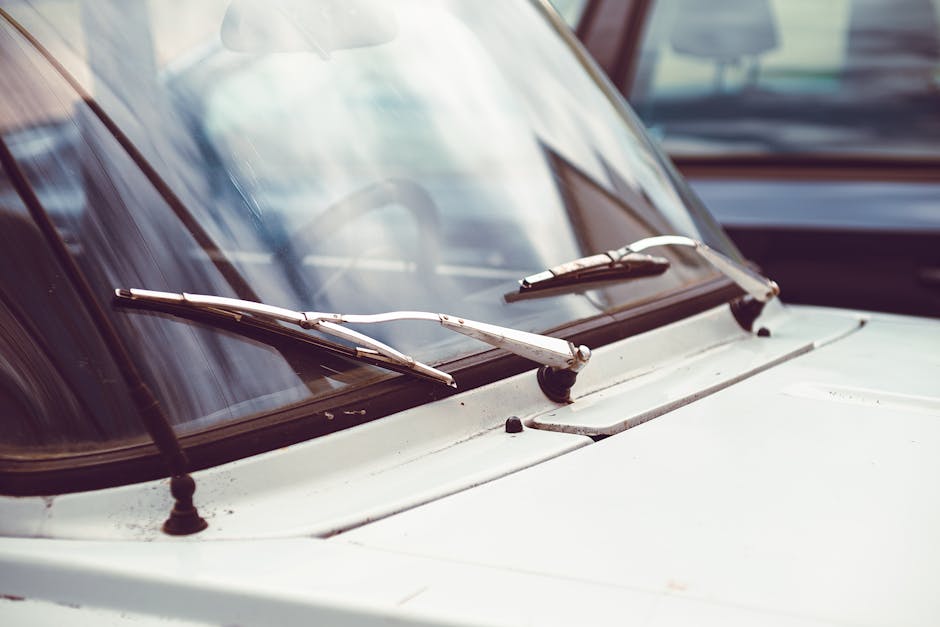
- Traditional/Conventional Blades: The classic design with a metal frame and rubber squeegee. Affordable and widely available, but the metal frame can trap ice and snow, reducing contact pressure over time. Best for mild climates.
- Beam/Bracketless Blades: A single curved piece of rubber or silicone with no external frame. They apply even pressure across the entire blade and perform exceptionally well in heavy rain and winter. More expensive, but widely considered the gold standard in 2026.
- Hybrid Blades: A middle ground — traditional metal frame wrapped in a protective aerodynamic shell. They resist ice buildup better than conventional blades and cost less than full beam blades. A solid everyday choice.
📊 2026 Wiper Blade Rankings: Data-Backed Picks
Based on independent consumer testing data from sources like Consumer Reports, J.D. Power’s 2026 Vehicle Dependability Study (which now includes accessory performance metrics), and aggregated user reviews from Amazon, AutoZone, and Coupang (Korea’s dominant auto parts platform), here’s how the top contenders stack up:
- #1 — Bosch ICON (Beam Blade) ⭐⭐⭐⭐⭐
Consistently rated the top performer across North American and European markets. The ICON uses Bosch’s exclusive tension spring technology, providing 40% more contact points than standard beam blades. Lifespan: up to 40% longer than OEM blades. Price range: $18–$35 per blade. Available in sizes from 13″ to 28″. - #2 — Rain-X Latitude Water Repellency (Beam Blade) ⭐⭐⭐⭐½
What makes this unique in 2026 is the infused water-repellent coating that bonds to your windshield over time, effectively training the glass to bead water even when the wipers aren’t running. Excellent for high-speed highway driving. Price: $15–$30. - #3 — Michelin Stealth Ultra (Hybrid Blade) ⭐⭐⭐⭐½
Michelin’s hybrid design has become a favorite in markets with variable climates — particularly popular in South Korea, Japan, and the UK. The Smart-Flex connector system fits over 99% of vehicle models without adapters, which is a huge convenience win. - #4 — PIAA Si-Tech Silicone (Beam Blade) ⭐⭐⭐⭐
A Japanese engineering standout. PIAA uses ultra-pure silicone rather than rubber, which is inherently UV-resistant and maintains flexibility in extreme cold (down to -40°C). Hugely popular in Korean and Japanese domestic markets. Pricier at $25–$45, but the longevity justifies it in harsh climates. - #5 — Trico Force (Beam Blade) ⭐⭐⭐⭐
Trico’s budget-friendly beam blade option. Performance is solid for daily commuting, and it’s widely available at big-box auto retailers. If you’re cost-conscious but want beam-blade technology, this is your entry point. - #6 — ACDelco Conventional (Traditional Blade) ⭐⭐⭐½
For mild climates like Southern California or coastal Mediterranean regions, a quality conventional blade like ACDelco still makes sense. Lower upfront cost ($8–$15), easy DIY installation, and readily available OEM fitment.
🌍 How Different Markets Approach Wiper Blades
Here’s something interesting — wiper blade preferences actually vary significantly by region, and understanding why can help you make a smarter choice for your own conditions.
In South Korea, where summers bring monsoon-level rainfall and winters drop well below freezing, silicone beam blades like PIAA and domestic brand Fenox dominate the market. Korean drivers replace blades twice a year on average — before summer monsoon season and before the winter freeze — a rhythm that automotive shops there actively promote.
In the United States, Bosch ICON and Rain-X dominate shelf space, particularly in Midwest and Pacific Northwest states where rain is frequent. Meanwhile, Sun Belt states (Texas, Arizona, Florida) see higher rates of conventional blade usage simply because UV degradation is the primary enemy, not cold-weather rigidity.
In Germany and the EU, OEM quality standards are stricter, and brands like Valeo and SWF (a Continental subsidiary) are preferred by German car manufacturers. Many European vehicles come equipped with flat beam blades as standard since 2022, making aftermarket conventional blades increasingly obsolete there.
🛠️ What Most People Get Wrong When Choosing Wiper Blades
- Only checking the driver’s side: Most cars have different size blades for driver and passenger sides — and some have a rear wiper too. Always measure or check your owner’s manual for all three.
- Ignoring the connector type: There are over 15 different hook/arm connection styles. A blade that doesn’t fit properly will either fall off or leave streaks. Brands like Michelin with universal connectors reduce this risk significantly.
- Buying based on price alone: A $6 conventional blade in a climate that gets heavy snow or monsoon rain is a false economy. You’ll replace it three times in the time a $25 beam blade would last.
- Forgetting seasonal installation: In cold climates, consider switching to dedicated winter blades (heavy-duty rubber, wrapped frames) between November and March, then returning to standard beam blades for the rest of the year.
💡 Realistic Alternatives Based on Your Situation
Not everyone needs the #1 ranked blade. Here’s a quick decision tree to help you match the right choice to your actual life:
- Mild climate, budget under $20/pair → ACDelco or Trico Exact Fit conventional blades. Simple, effective, no overthinking needed.
- Variable climate with occasional snow → Michelin Stealth Ultra hybrid. The protective shell handles light ice, and the beam design gives you better rain performance than conventional.
- Heavy rain region or frequent highway driving → Bosch ICON or Rain-X Latitude. The investment pays off in visibility and longevity.
- Extreme cold (-20°C or below) → PIAA Si-Tech Silicone or a dedicated winter blade like Trico Ice. Silicone stays flexible at temperatures that turn rubber into plastic.
- Long-term ownership (keeping car 5+ years) → PIAA or Bosch ICON. The longer replacement interval saves money and hassle over time.
One final thing worth mentioning: no wiper blade — regardless of price — performs well on a dirty or damaged windshield. Before installing new blades, clean your windshield with a glass cleaner and a microfiber cloth, and check for any chips or deep scratches. If water is sheeting rather than beading after installation, applying a hydrophobic coating like Rain-X glass treatment ($10–$15) can make even mid-tier blades feel premium.
Editor’s Comment : Wiper blades are genuinely one of the most underrated safety items on your car — and in 2026, the options are better than ever across every price point. My personal go-to is the Bosch ICON for year-round use in rainy climates, but if you’re on a tighter budget, the Michelin Stealth Ultra hybrid is the smartest middle-ground pick I’ve tested. Don’t wait for a rainstorm to remind you to upgrade. Your windshield — and your nerves — will thank you.
📚 관련된 다른 글도 읽어 보세요
- 2026 SUV 신차 추천 순위 TOP 7 | 가성비·성능·디자인 완벽 분석
- 자동차 타이어 수명 연장 관리법 총정리 – 교체 주기부터 보관법까지 (2026년 최신)
- Car Coolant Flush Cost in 2026: What You’ll Pay vs. What You Can DIY (And How to Do It)
태그: [‘wiper blade recommendations 2026’, ‘best car wiper blades’, ‘beam vs hybrid wiper blades’, ‘Bosch ICON review’, ‘windshield wiper comparison’, ‘car maintenance tips 2026’, ‘winter wiper blades’]